
The Hidden Danger of Asbestos in Your Home
As we continue to prioritize the safety and well-being of our homes, there remains an insidious threat that often goes unnoticed: asbestos. Once hailed as a miracle mineral for its strength and resistance to heat, asbestos has since been recognized as a hazardous material with potentially deadly consequences. Although its use has declined significantly over the years, many older homes built before the 1980s may still contain asbestos in various forms. Understanding the dangers of asbestos and knowing if an asbestos inspection service is needed is critical to safeguarding your household from its serious health risks.
The Nature of Asbestos
Asbestos is a group of naturally occurring fibrous minerals known for their durability and resistance to heat, fire, and chemicals. Because of these properties, it was widely used in building materials, insulation, and even household products throughout much of the 20th century, from ceiling tiles and flooring to pipes and cement. Its widespread adoption was driven by its strength and versatility, making it a popular choice for both industrial and residential construction. However, asbestos fibers are extremely hazardous when inhaled, leading to severe and often fatal diseases such as mesothelioma, lung cancer, and asbestosis. The danger is often silent, as symptoms may not appear until decades after exposure, making early detection and preventive measures critical for long-term health.
Where Asbestos Might Lurk
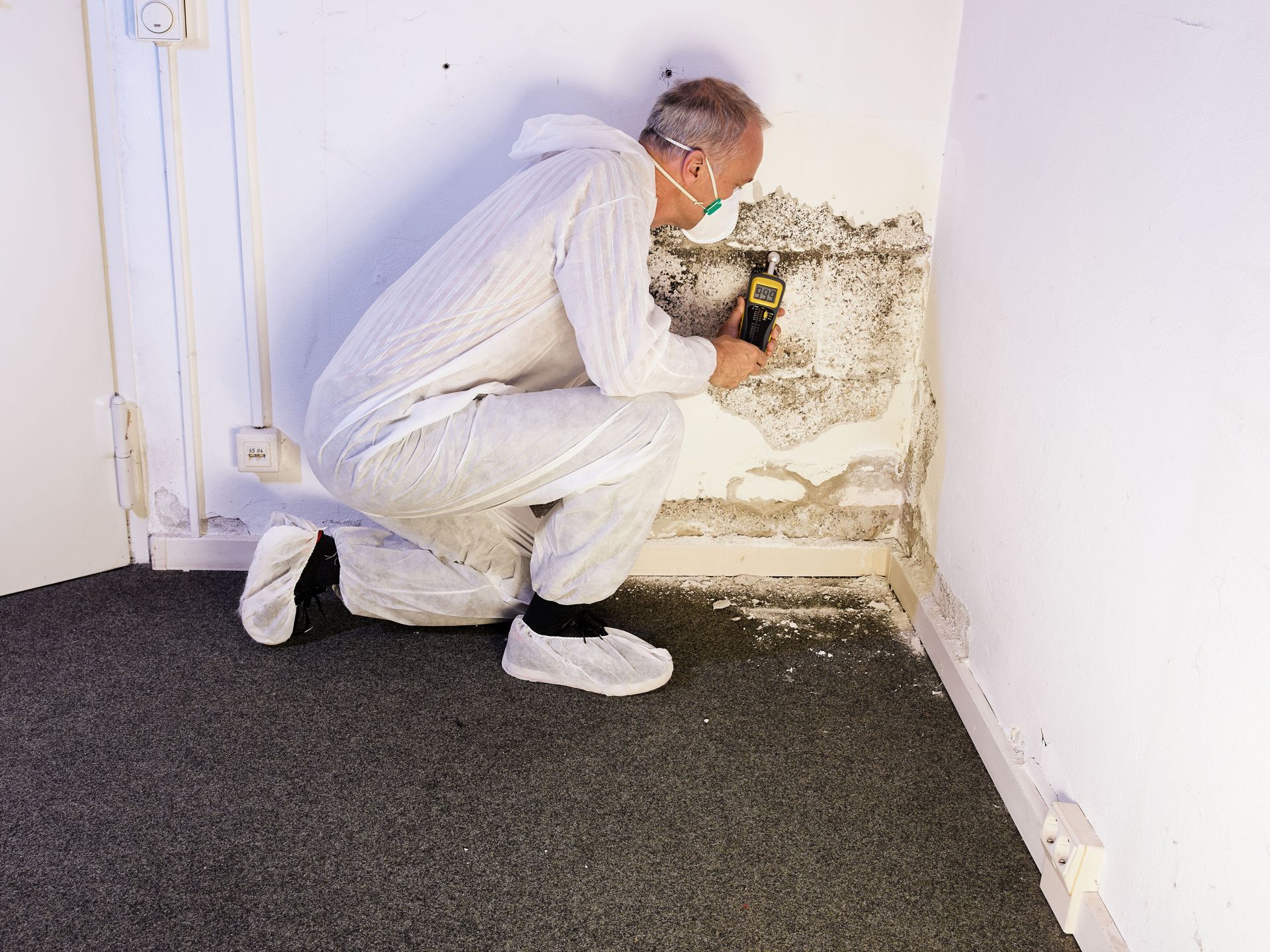
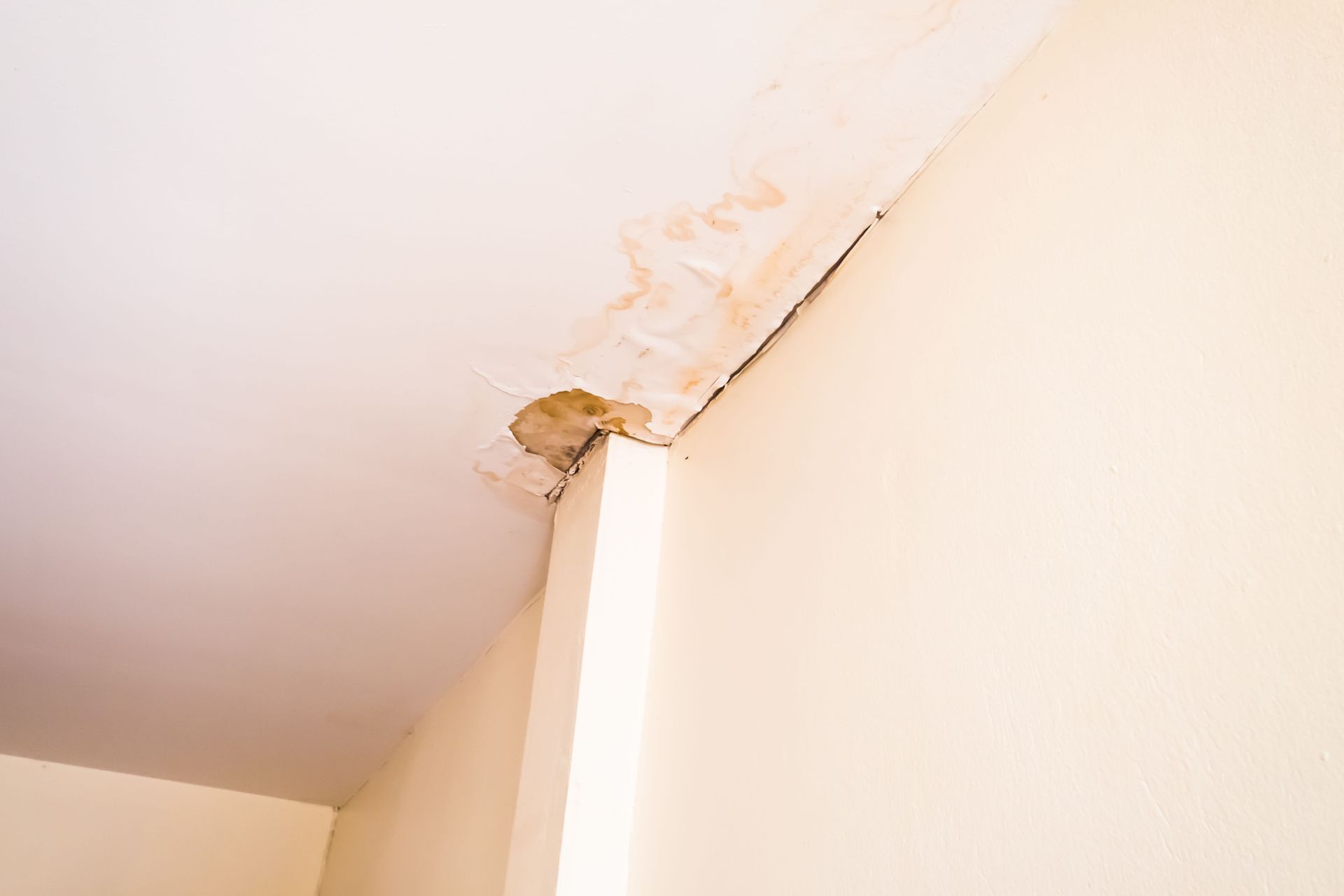
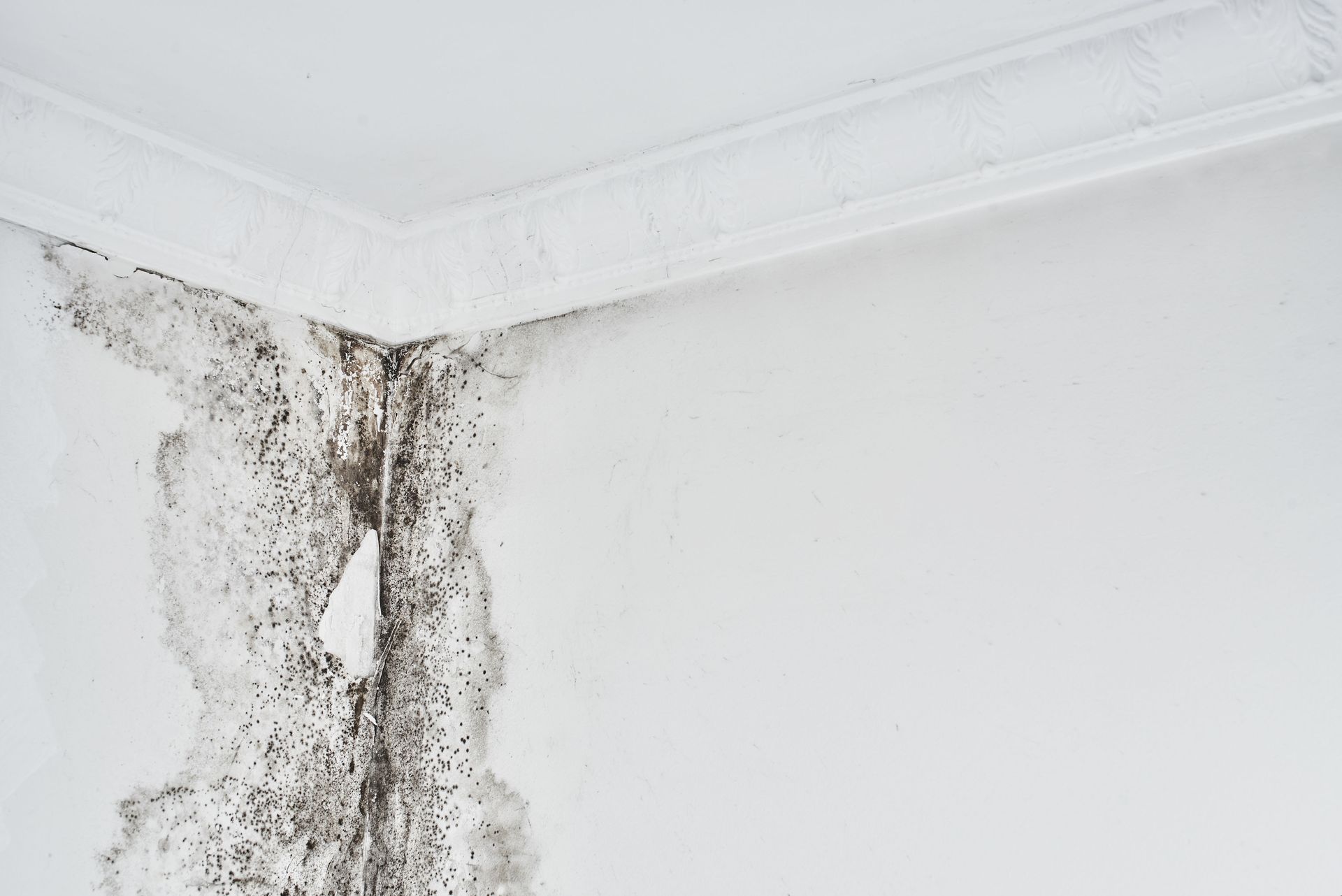
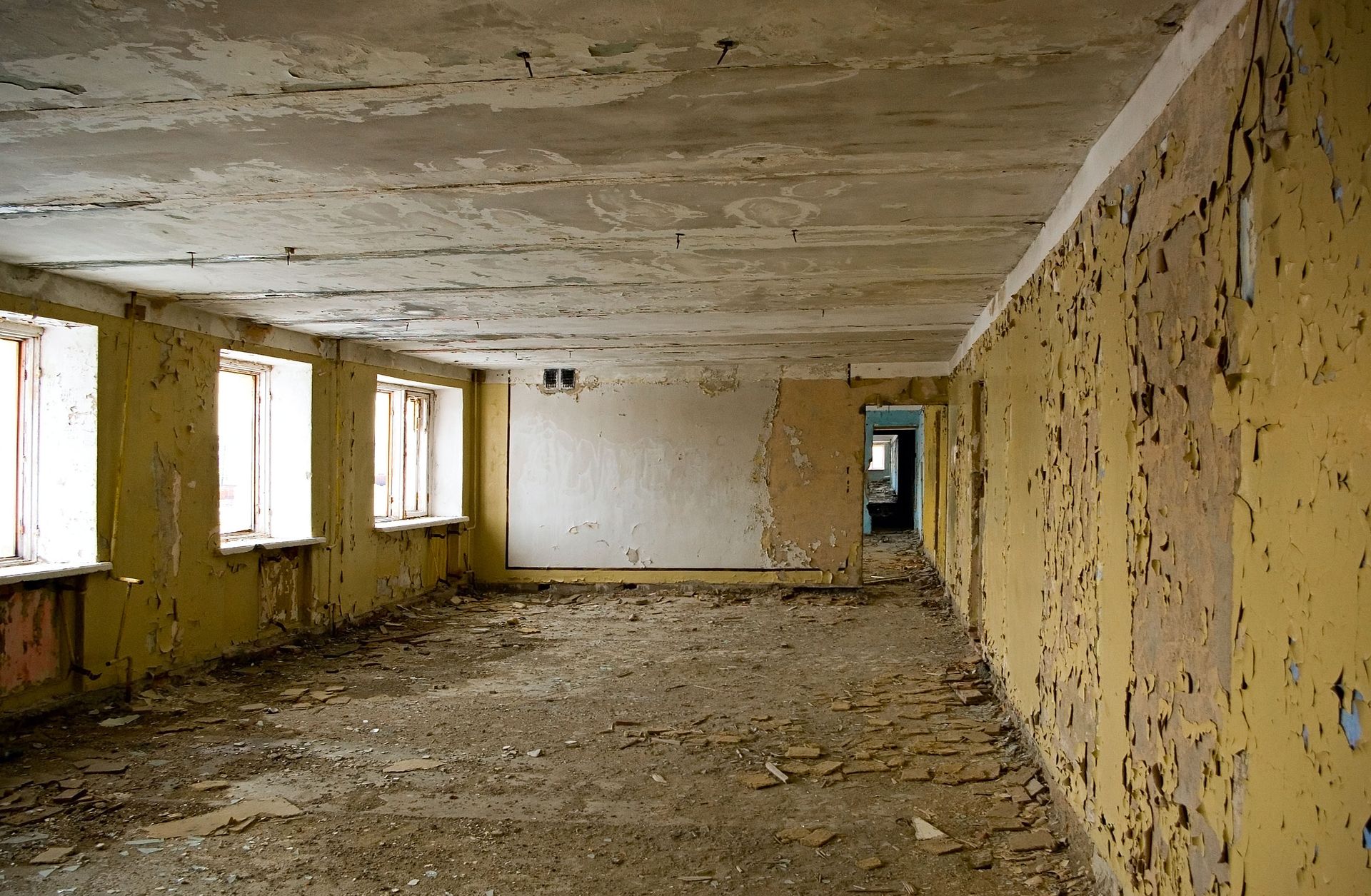
If you live in a home that was built before the late 1980s, there's a chance that asbestos could be hiding in areas you might least expect. Common sites include walls, ceiling tiles, flooring, insulation, roofing materials, and even certain adhesives or paints. During renovation, repair, or demolition projects, asbestos fibers can become airborne, posing a serious risk to everyone in your household. Because asbestos is microscopic and easily disturbed, even minor activities such as sanding, drilling, or scraping can release fibers. Identifying potential asbestos-containing materials in your home can be challenging and often requires the expertise of a certified professional asbestos inspection service for proper testing, assessment, and, if necessary, safe removal.
Health Risks of Asbestos Exposure
Asbestos exposure is a serious health concern that affects millions of people globally, both through occupational contact and accidental household exposure. According to Asbestos.com, an estimated 125 million people worldwide remain at risk of occupational asbestos exposure, while countless others encounter it unknowingly in older buildings. Even as its use has declined, the consequences linger, as asbestos fibers can remain in the body for years, causing chronic respiratory conditions and cancers that are often difficult to treat. Mesothelioma, for example, is an aggressive cancer specifically linked to asbestos and can develop decades after exposure. These health risks highlight the importance of recognizing and mitigating asbestos hazards before they escalate into life-threatening conditions.
Regulations and Removal
Because of its well-documented health risks, many countries have implemented strict regulations regarding the use, removal, and disposal of asbestos. In the United States, the Environmental Protection Agency (EPA) provides comprehensive guidelines for homeowners and contractors on safely managing asbestos in homes. Proper removal and disposal require specialized training, protective equipment, and adherence to legal protocols to prevent contamination. Hiring professional asbestos abatement services is strongly advised.
Steps to Protect Your Home and Family
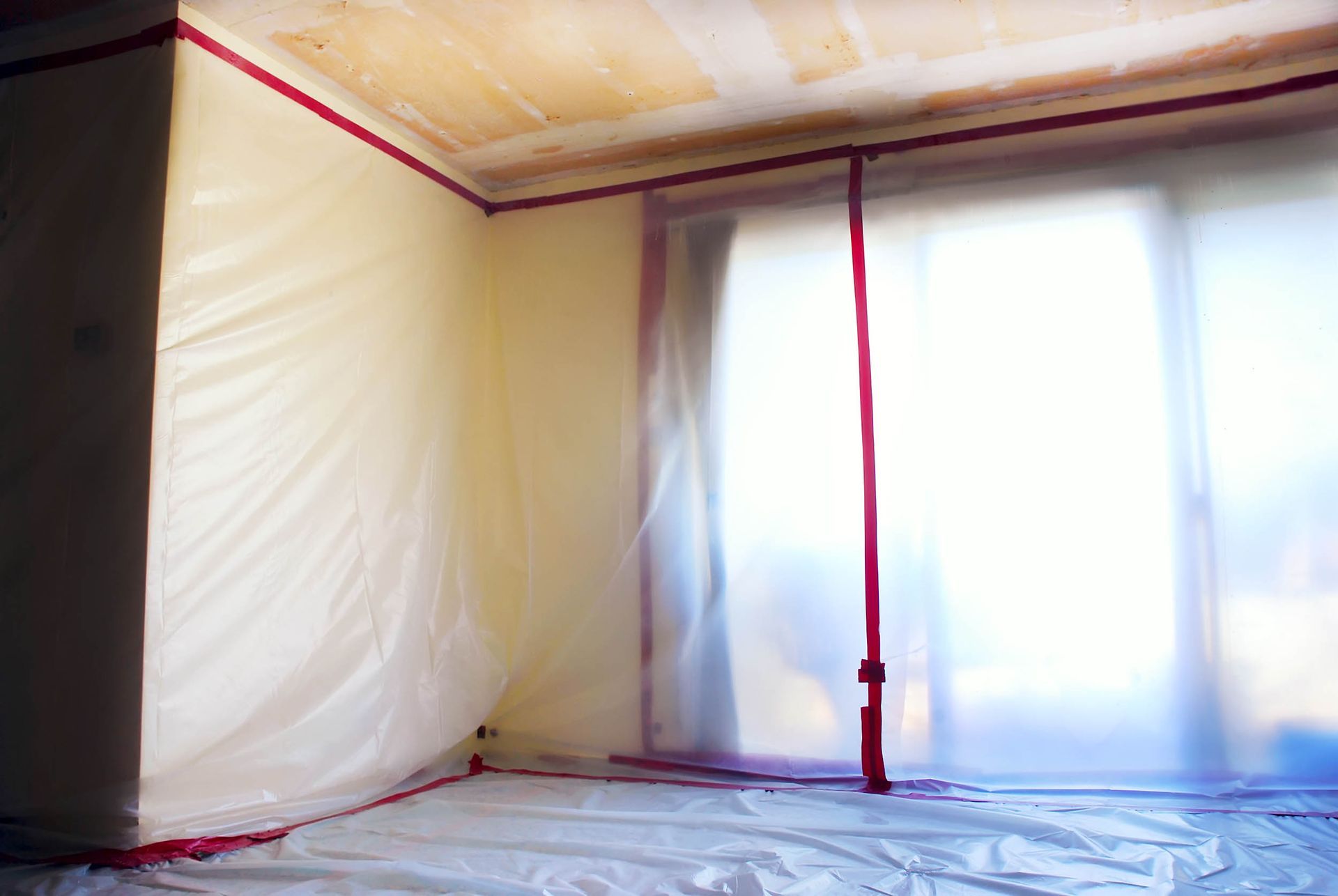
Preventing asbestos exposure begins with awareness and careful planning. If you suspect that your home contains asbestos, avoid disturbing the area until a professional assessment is conducted. Regular inspections, especially in older homes, are essential for identifying materials that may contain asbestos before they deteriorate. When planning renovations or repairs, make sure to hire contractors who are certified and experienced in managing asbestos-containing materials. Small precautions, such as sealing off work areas and following proper safety procedures, can go a long way in minimizing risks and ensuring that your living environment remains safe for you and your family.
Practical Tips for Ongoing Asbestos Safety
Maintaining a safe home environment requires consistent vigilance and practical habits. First, always assume that unknown or deteriorating materials in older homes could contain asbestos. Avoid disturbing these areas, and refrain from DIY removal attempts, which can increase the risk of fiber release. Keep records of any inspections or abatement work conducted in your home, and ensure that contractors provide proper certification for asbestos handling.
The hidden danger of asbestos in your home is a pressing issue that requires vigilance and informed action. While the material has fallen out of common use, its remnants still pose a significant risk to health and safety, particularly in older properties. Ultimately, acknowledging and addressing this threat with an asbestos inspection service not only safeguards your family’s health but also contributes to a broader effort in mitigating asbestos-related illnesses across the globe. If you are concerned about possible asbestos in your home, schedule an inspection with ASAP Environmental Inc today.

Share On: