November 11, 2026
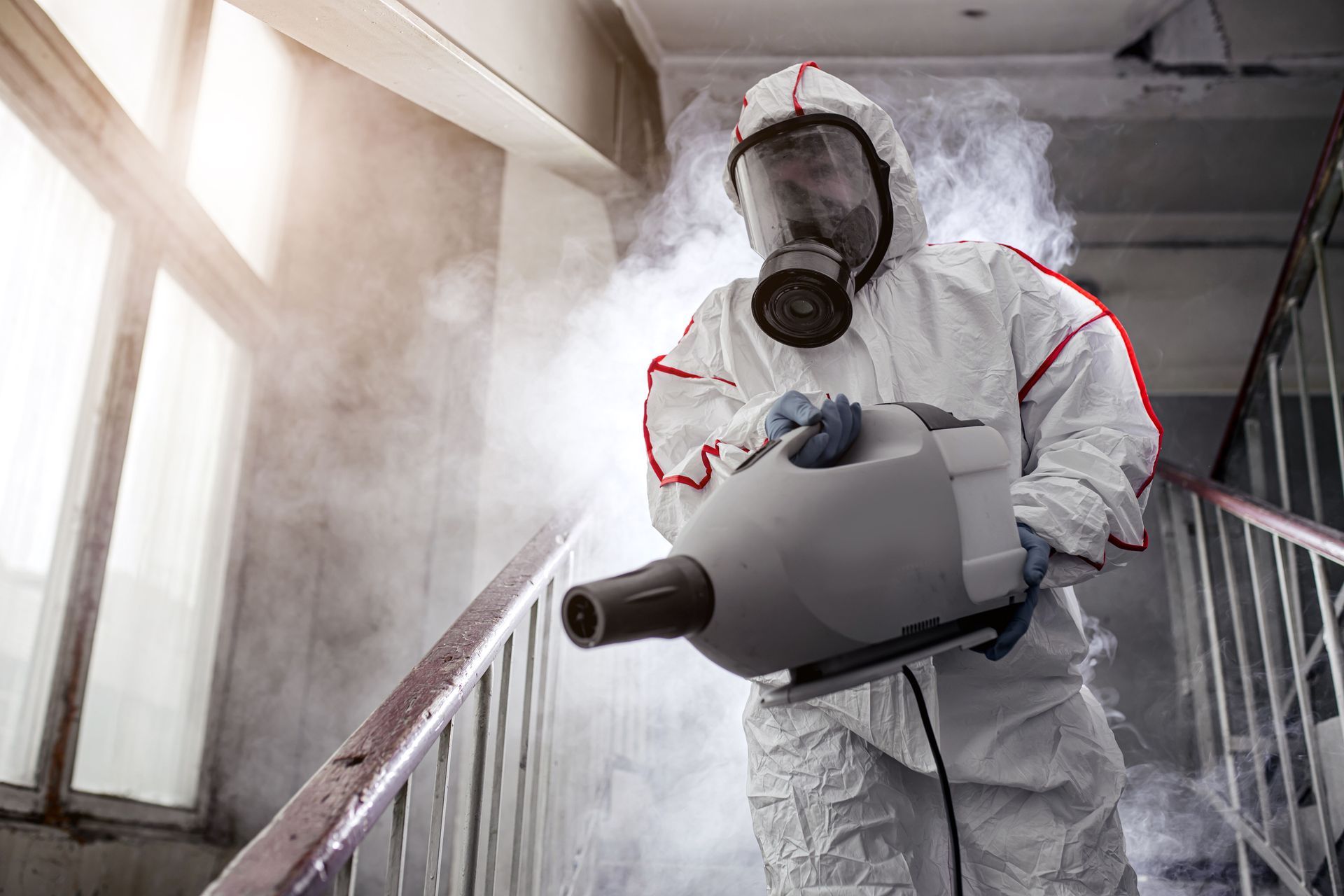
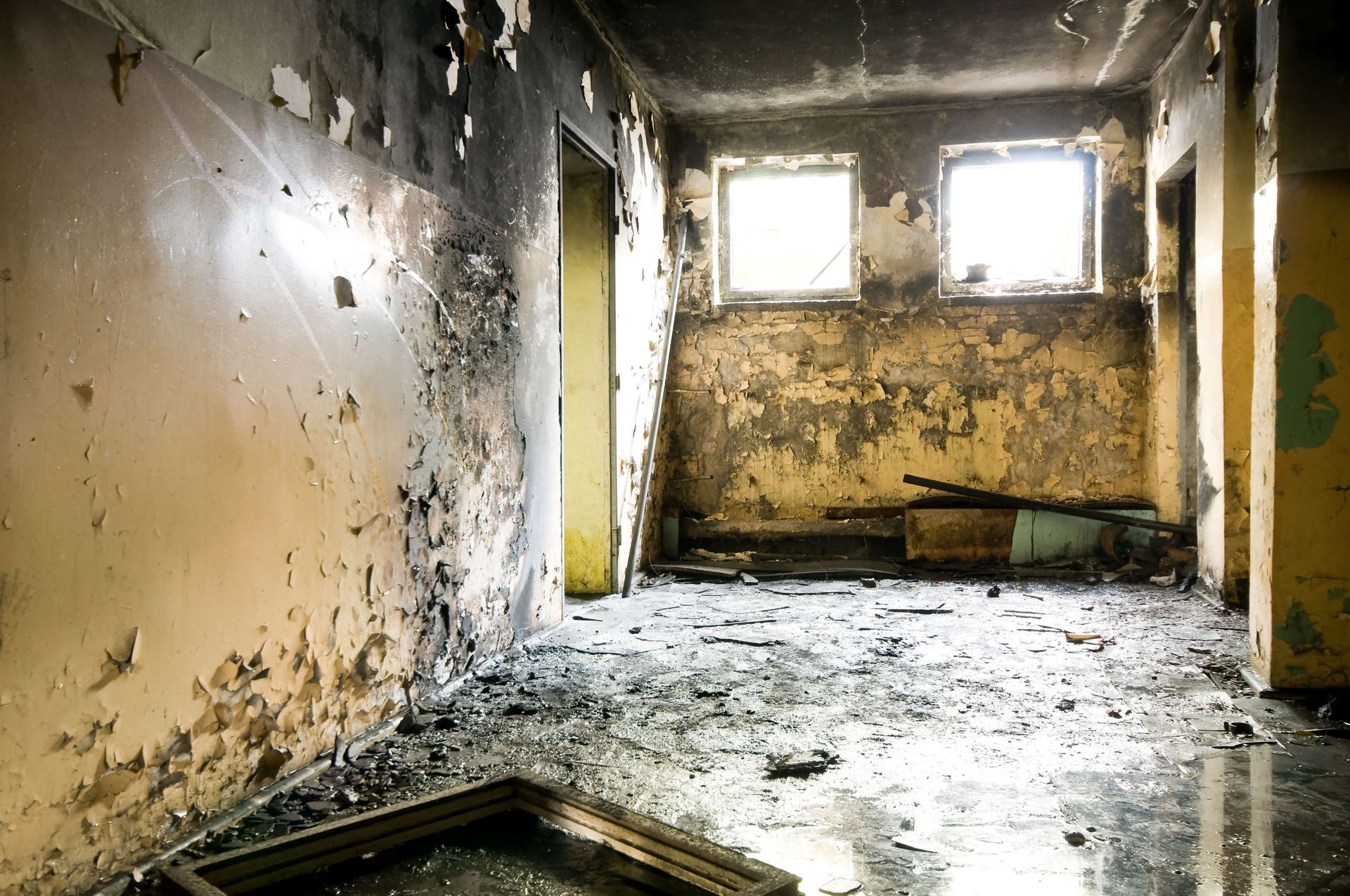
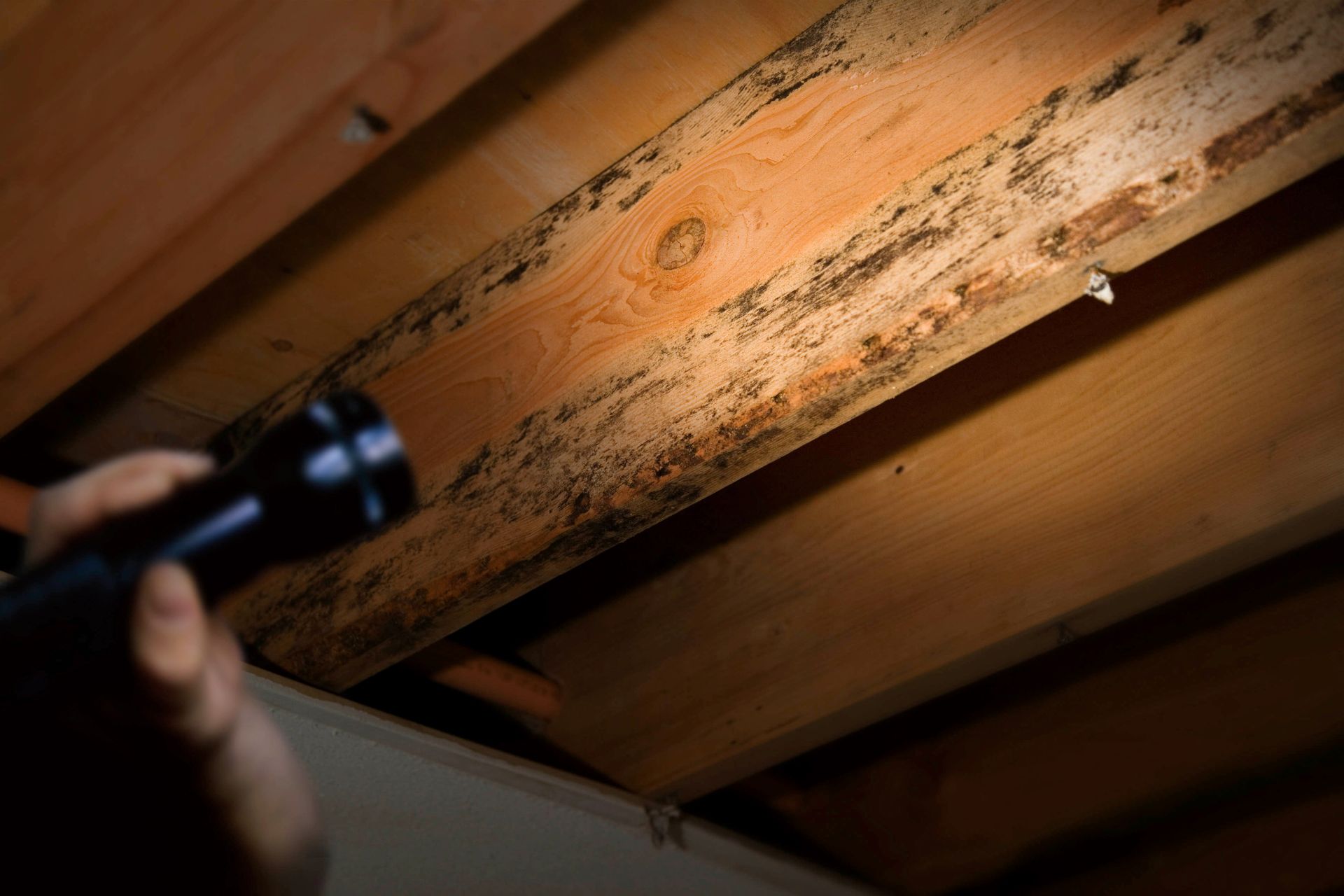
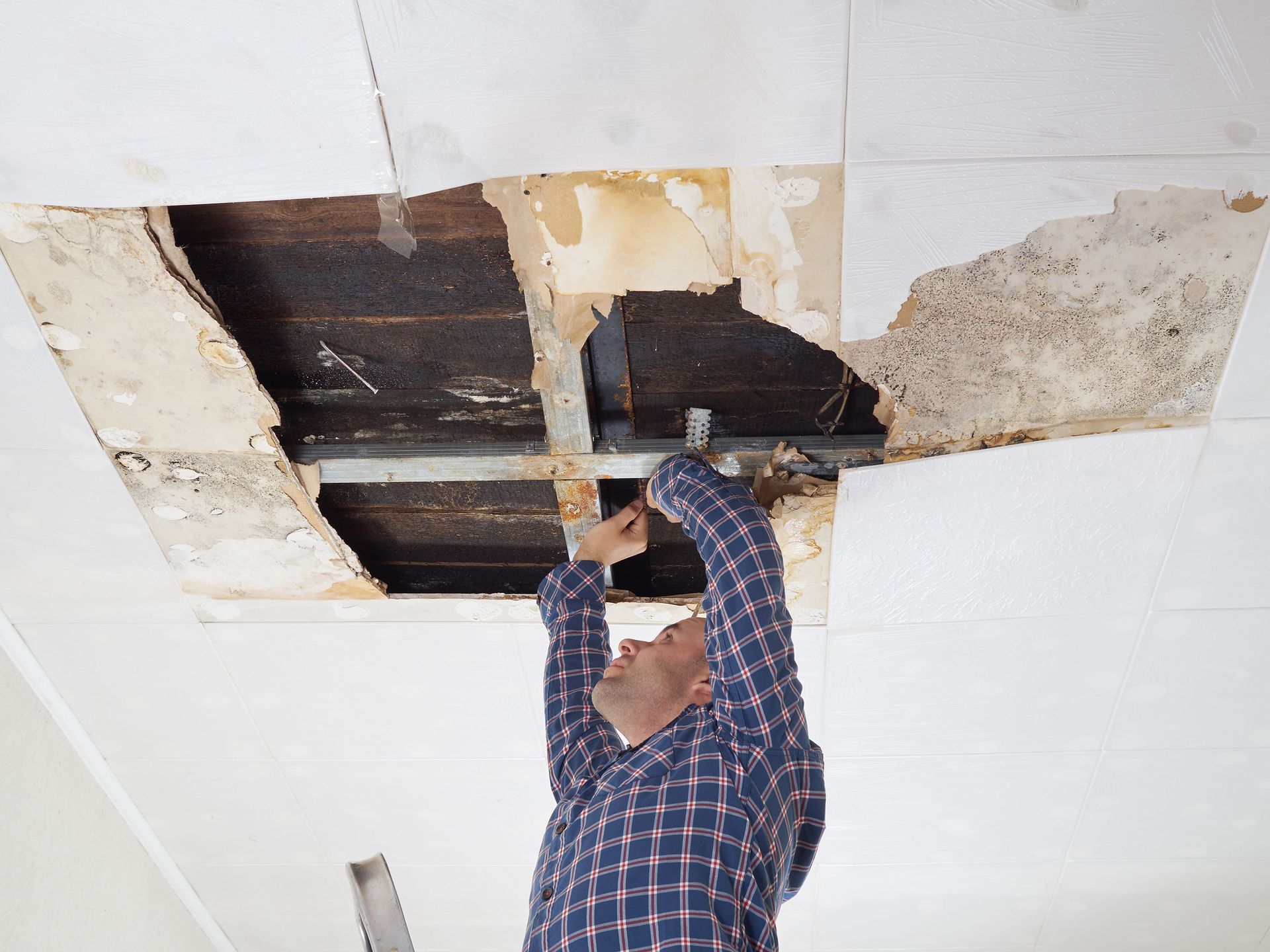
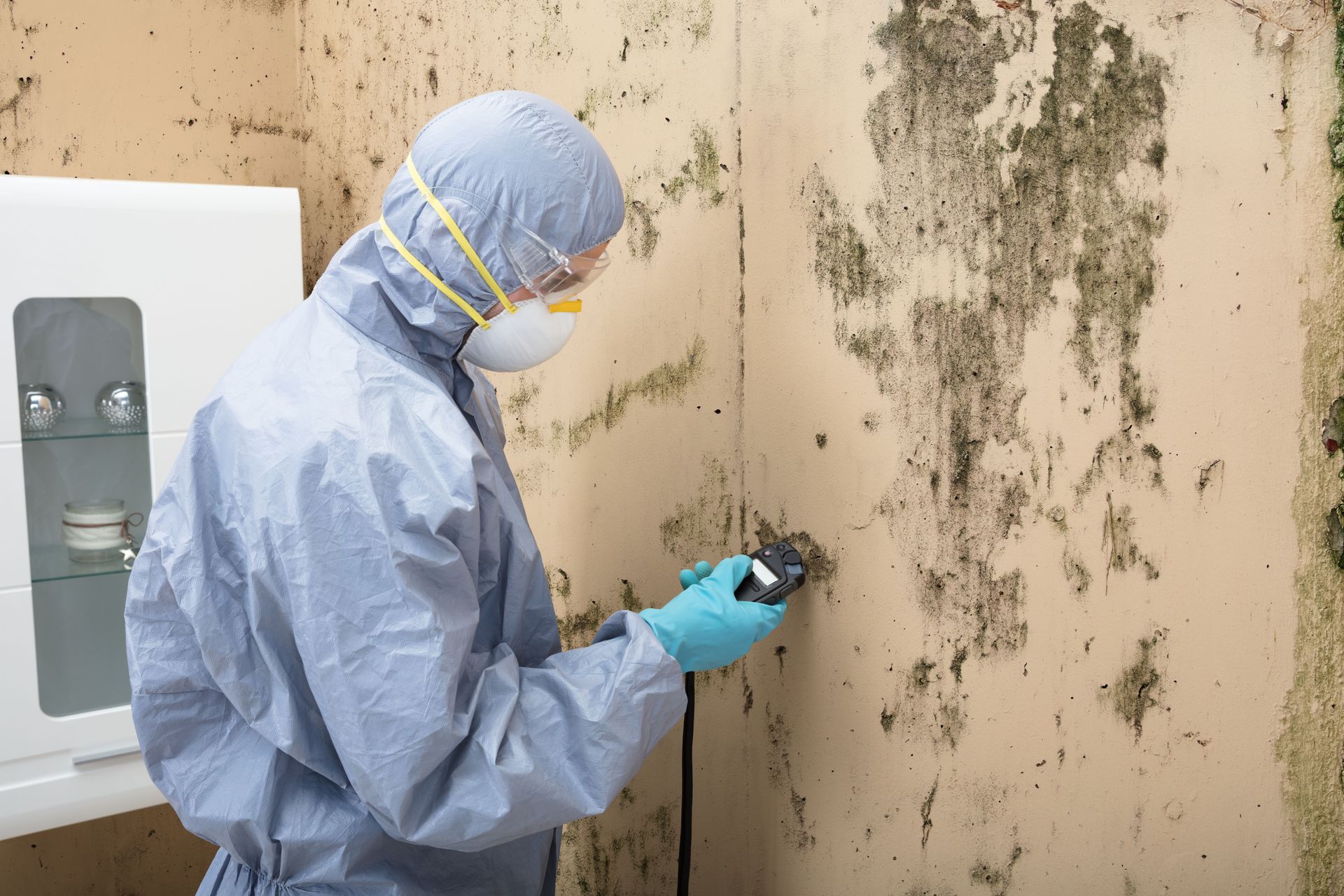
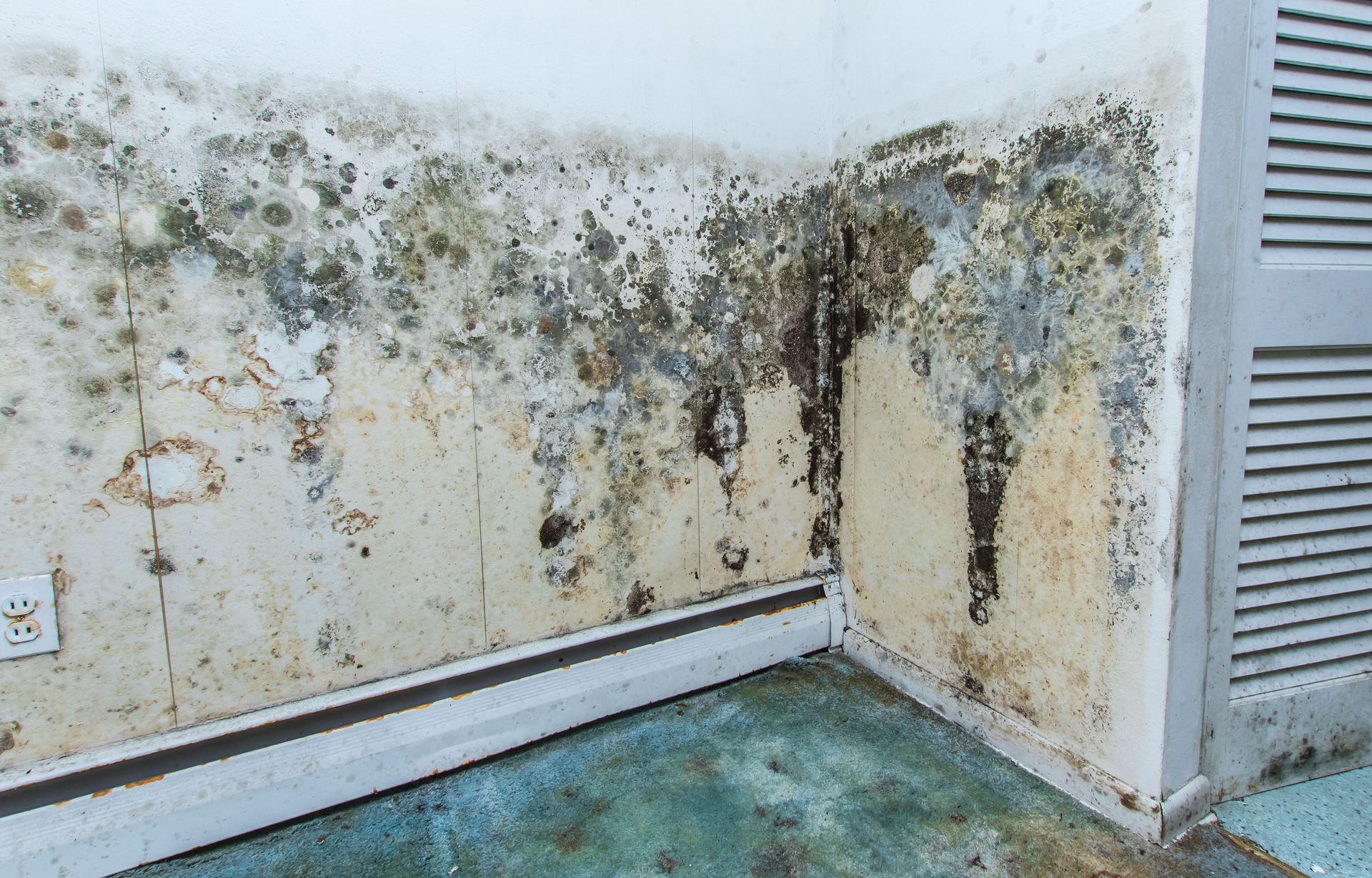
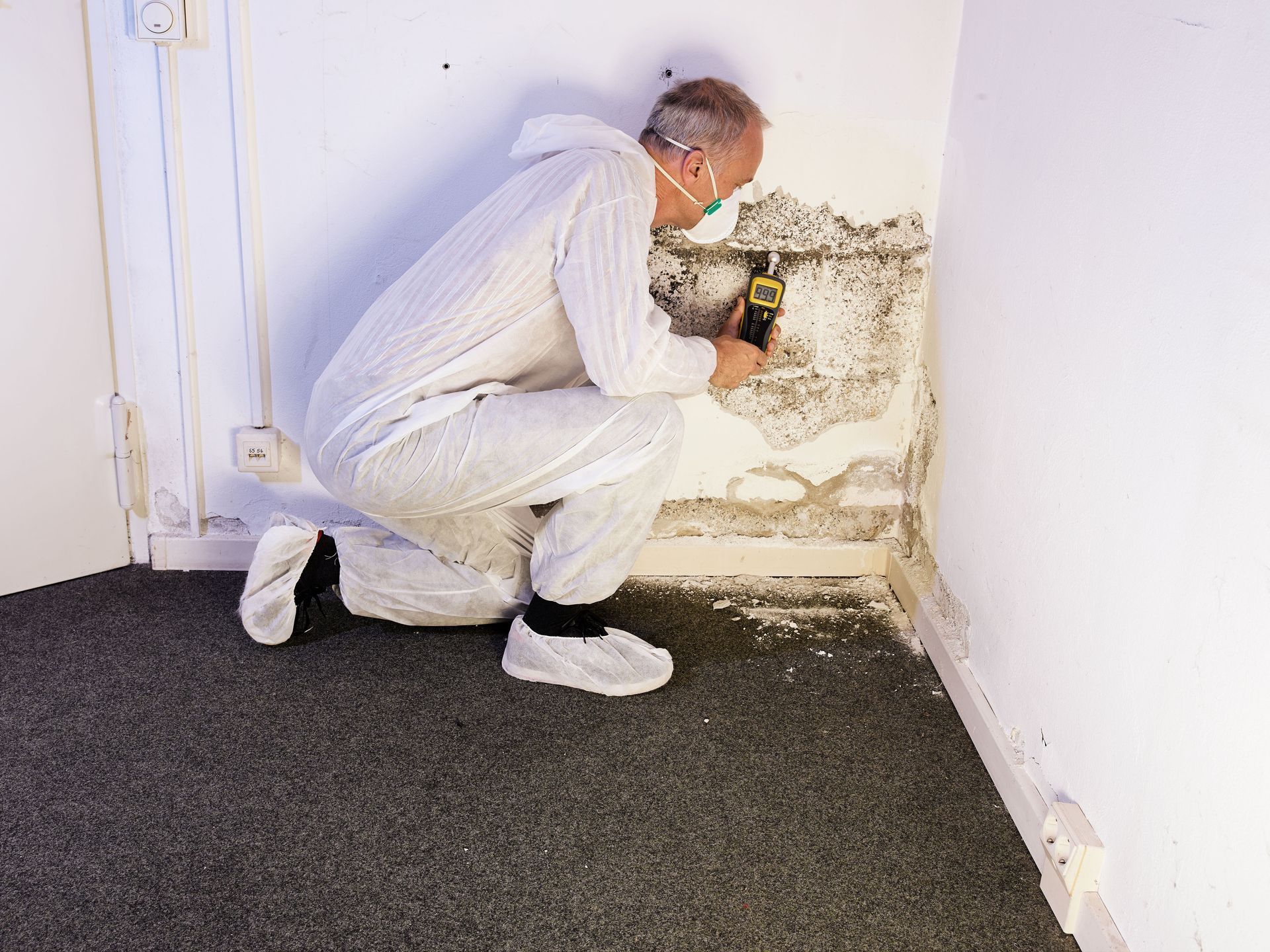
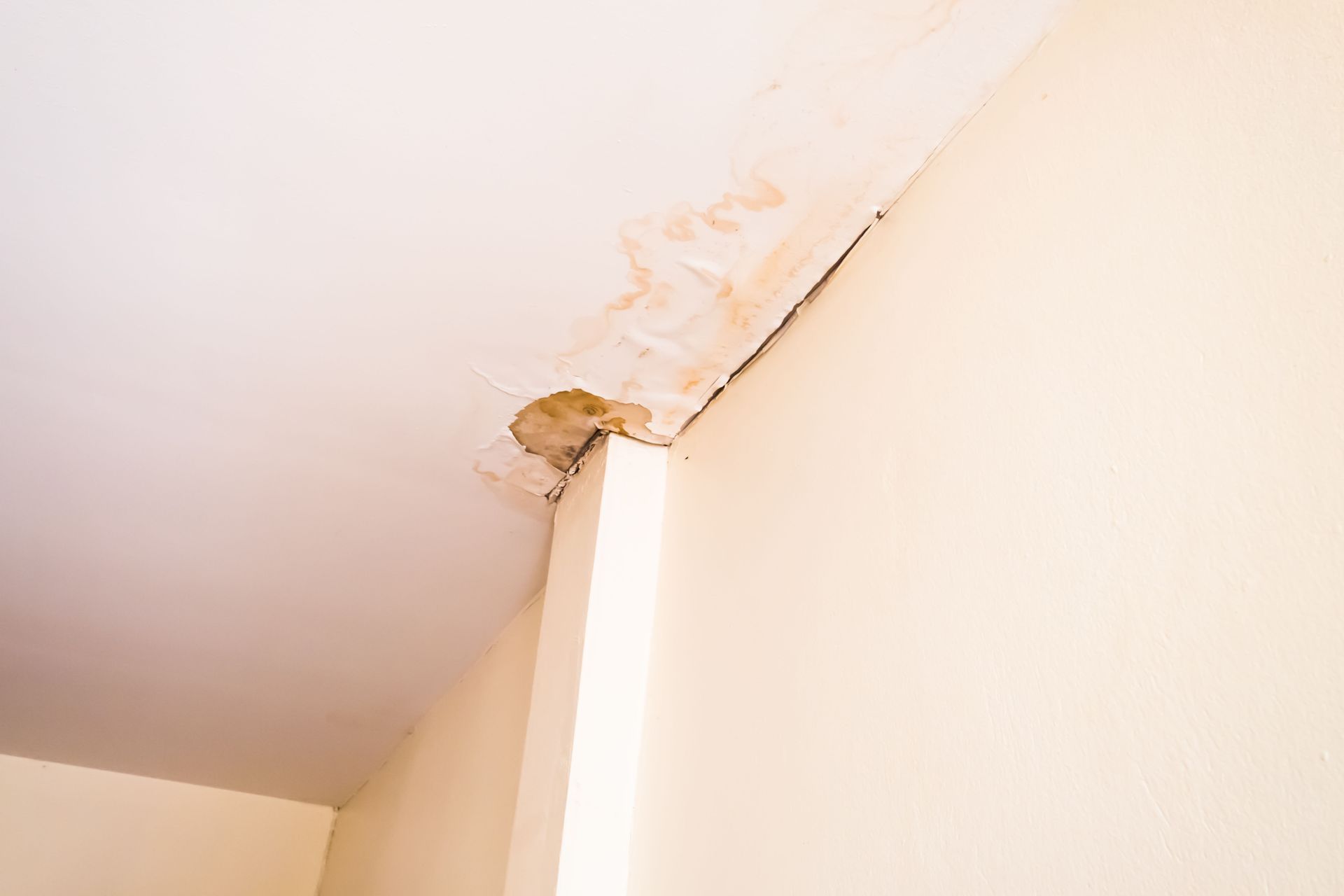
Indoor humidity plays an important role in maintaining a comfortable, healthy environment. When moisture levels become excessive, they can encourage biological growth, damage building materials, and contribute to respiratory discomfort. Understanding how humidity affects indoor spaces helps property owners recognize potential problems before they become serious. At ASAP Environmental Inc, we understand the importance of identifying environmental hazards and addressing moisture-related concerns professionally. Whether excess humidity results from poor ventilation, plumbing leaks, or water intrusion, proper assessment is essential for protecting indoor spaces. Understanding the relationship between moisture and indoor conditions helps homeowners make informed decisions about environmental services. Understanding Humidity and Its Effects on Indoor Spaces Understanding Relative Humidity Humidity refers to the amount of water vapor present in the air. Relative humidity measures that moisture as a percentage of the maximum amount the air can hold at a particular temperature. Because warmer air can hold more moisture, indoor humidity levels may fluctuate throughout the day. Maintaining balanced humidity contributes to comfort and helps preserve building materials. Excessive moisture can affect drywall, wood, insulation, and other surfaces, particularly when damp conditions persist. Understanding these changes helps property owners recognize when professional assessments may be necessary. Identifying Ideal Indoor Humidity Levels Indoor relative humidity between 30% and 50% is generally recommended for maintaining comfortable conditions and limiting excessive moisture. However, appropriate levels can vary depending on seasonal temperatures and building conditions. According to Fixr, mold colonies can start to form when indoor humidity levels go above 45%. This highlights how elevated moisture contributes to biological growth. However, humidity alone does not determine whether colonies will develop. Surface moisture, temperature, available nutrients, and the duration of damp conditions also influence growth. Recognizing Changes in Indoor Comfort Humidity fluctuations can affect how comfortable a building feels. High humidity may create a clammy atmosphere because moisture slows perspiration evaporation. Conversely, excessively dry air can contribute to skin irritation and respiratory discomfort. Persistent moisture can create condensation around windows, walls, and cooler surfaces. These conditions may indicate inadequate ventilation, temperature differences, or moisture intrusion. Recognizing unusual indoor conditions allows property owners to seek professional guidance before additional damage develops. Understanding the Relationship Between Humidity and Biological Growth Identifying Conditions That Encourage Growth Mold is a naturally occurring fungus that reproduces through microscopic spores. These spores exist throughout indoor and outdoor environments and may begin growing when they encounter damp materials. Building materials such as wood, drywall, paper, and carpeting can provide suitable surfaces when moisture remains present. Warm temperatures and limited airflow may further contribute to favorable conditions. The presence of spores does not automatically indicate a serious indoor problem. However, persistent dampness can allow colonies to develop, making moisture identification an important component of environmental assessments. Recognizing Hidden Moisture Problems Not every moisture problem produces visible staining or obvious water damage. Dampness may develop behind walls, beneath flooring, inside ceiling cavities, or around concealed plumbing connections. These locations are concerning because moisture may remain undetected for extended periods. Musty odors, discoloration, peeling paint, or unexplained deterioration sometimes indicate conditions requiring investigation. Professional evaluations can help determine whether moisture has affected concealed materials. Identifying the source is important because treating visible symptoms without addressing underlying water intrusion may allow problems to return. Identifying Areas Vulnerable to Moisture Bathrooms, kitchens, laundry rooms, and basements frequently experience elevated humidity because of plumbing fixtures, water usage, and limited ventilation. Attics and crawl spaces may develop damp conditions when roofing problems, condensation, or inadequate airflow allow moisture to accumulate. Basements are particularly vulnerable when groundwater intrusion or foundation drainage issues introduce moisture. Similarly, roof leaks can affect insulation and structural components before damage becomes visible. Each location presents different environmental challenges. A professional assessment considers construction, moisture sources, ventilation conditions, and affected materials to determine an appropriate response. Understanding the Health Implications of Indoor Moisture Recognizing Respiratory Concerns Exposure to indoor mold can contribute to respiratory symptoms in sensitive individuals. Airborne spores and associated particles may trigger coughing, sneezing, nasal congestion, or irritation of the eyes and throat. People with asthma or existing respiratory sensitivities may experience more noticeable reactions. However, symptoms vary, and not everyone exposed to damp indoor environments experiences health problems. The Environmental Protection Agency explains that moisture control is essential to controlling indoor fungal growth. This reinforces the importance of addressing environmental conditions rather than focusing exclusively on visible contamination. Understanding Allergies and Sensitivities Allergic reactions can occur when susceptible individuals encounter airborne biological particles. Symptoms may resemble seasonal allergies, making the source difficult to identify without medical evaluation. Persistent dampness may support dust mites and other indoor allergens. Consequently, improving environmental conditions involves considering multiple factors rather than assuming every respiratory complaint has the same cause. At ASAP Environmental Inc, we recognize that environmental concerns deserve attention. Professional assessment can help property owners understand moisture-related building conditions, while healthcare professionals evaluate individual symptoms. Protecting Vulnerable Occupants Children, older adults, individuals with asthma, and people with weakened immune systems may be more susceptible to certain effects associated with damp indoor environments. Potential reactions depend on individual health circumstances, exposure conditions, and the materials involved. Because these factors differ, environmental problems should be evaluated based on actual conditions rather than assumptions. Addressing moisture concerns promptly can reduce conditions supporting unwanted biological growth. Property owners responsible for schools, residences, and commercial facilities should be attentive to persistent dampness and unexplained environmental changes. Understanding Professional Moisture Assessment and Remediation Evaluating Moisture Sources Environmental management begins with identifying why excessive moisture is present. Potential causes include plumbing failures, roof damage, inadequate drainage, condensation, and ventilation deficiencies. Professional assessments may involve moisture measurements, visual observations, and evaluation of affected materials. Additional investigation may be necessary to determine the extent of concealed damage. A thorough assessment helps distinguish temporary humidity fluctuations from persistent moisture problems requiring corrective action. This supports appropriate planning and reduces the likelihood of overlooking underlying conditions. Addressing Contaminated Materials When mold develops indoors, professional remediation may be necessary to address affected materials and reduce recurring contamination. The appropriate response depends on the extent of growth, material characteristics, moisture conditions, and potential exposure. Some porous materials may require removal when contamination cannot be adequately addressed. Other surfaces may be suitable for professional cleaning under controlled conditions. Remediation procedures should account for containment, worker protection, and appropriate handling of affected materials. These considerations help limit unnecessary disturbance and movement of airborne particles into unaffected areas. Supporting Long-Term Moisture Management Professional environmental services provide information about conditions contributing to recurring moisture problems. However, lasting improvement depends on correcting underlying sources of dampness. Building owners may need qualified plumbing, roofing, drainage, or HVAC professionals to resolve contributing deficiencies. Appropriate repairs and ventilation improvements help maintain consistent indoor conditions. Follow-up evaluations may be useful when significant moisture damage has occurred. Assessing whether affected materials have dried adequately helps determine whether additional corrective work is necessary. Understanding the Value of Professional Environmental Services Preventing Extensive Property Damage Persistent moisture can weaken building materials, damage finishes, and affect structural components. Wood may swell or deteriorate, drywall can lose integrity, and insulation may become less effective when saturated. Delaying an appropriate response can increase necessary repairs. Problems originating in small areas may spread into adjoining materials when moisture remains uncontrolled. Unaddressed moisture can also increase the likelihood of mold developing in concealed areas, making professional evaluation especially important. Early professional evaluation provides information needed to make informed decisions about corrective measures. Addressing moisture sources before damage becomes extensive helps protect a building's long-term condition. Choosing Professional Environmental Assistance Environmental concerns often involve conditions that cannot be accurately evaluated through appearance alone. Visible discoloration, unusual odors, and recurring dampness may indicate underlying problems requiring specialized investigation. Professional mold assessments can help identify affected areas and determine whether additional remediation measures are necessary. At ASAP Environmental Inc, we believe property owners benefit from understanding professional environmental assessment and remediation practices. Identifying contributing conditions, evaluating affected areas, and coordinating corrective services are important parts of protecting indoor environments. If your residential or commercial property is experiencing persistent humidity, suspected mold contamination, or moisture-related damage, contact ASAP Environmental Inc to discuss your concerns and learn about available environmental services. Professional guidance can help determine appropriate next steps toward maintaining a safer, more comfortable property.


Share On: