The Benefits of Choosing Local Mold Inspection Companies

August 18, 2026

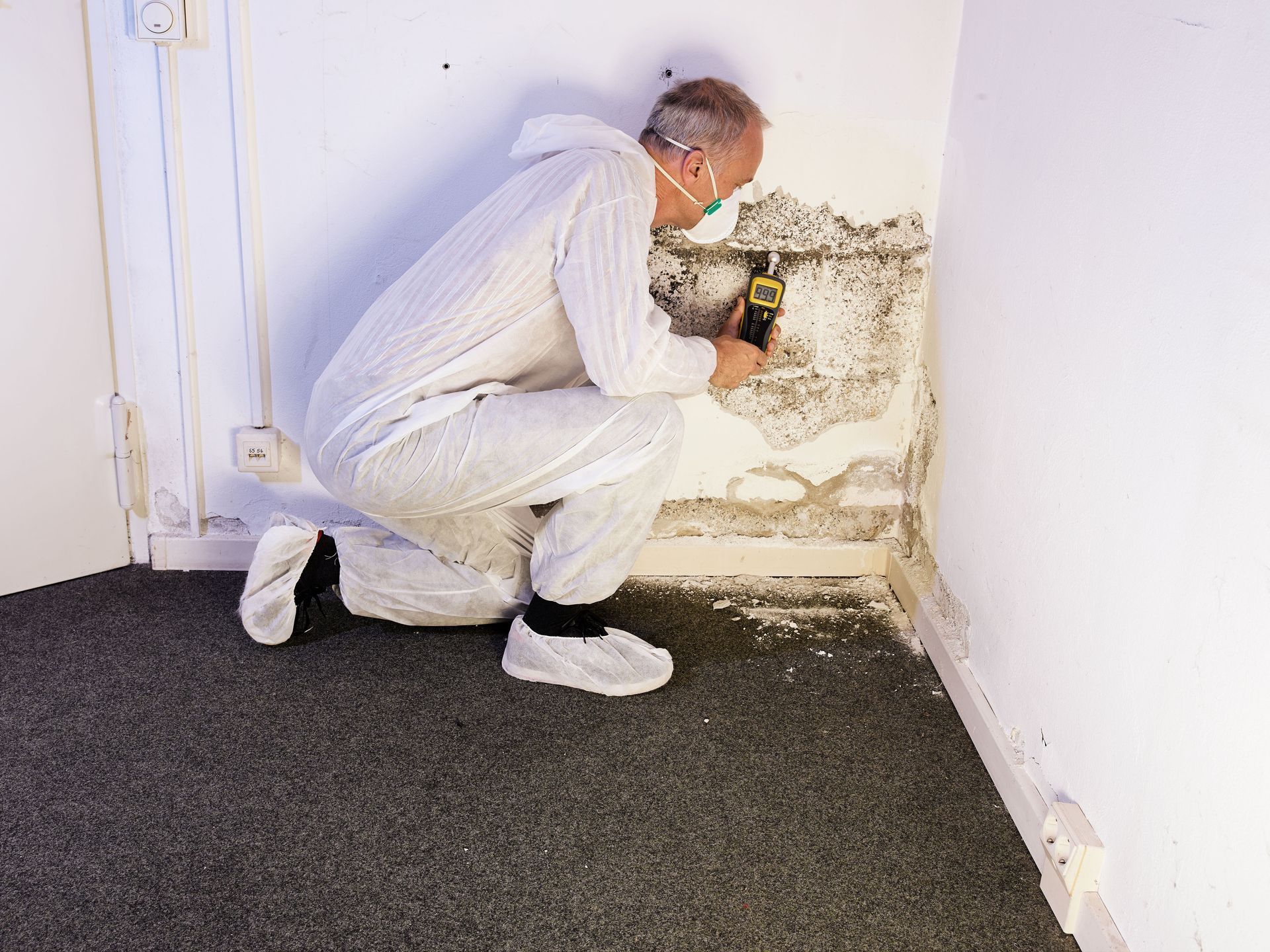
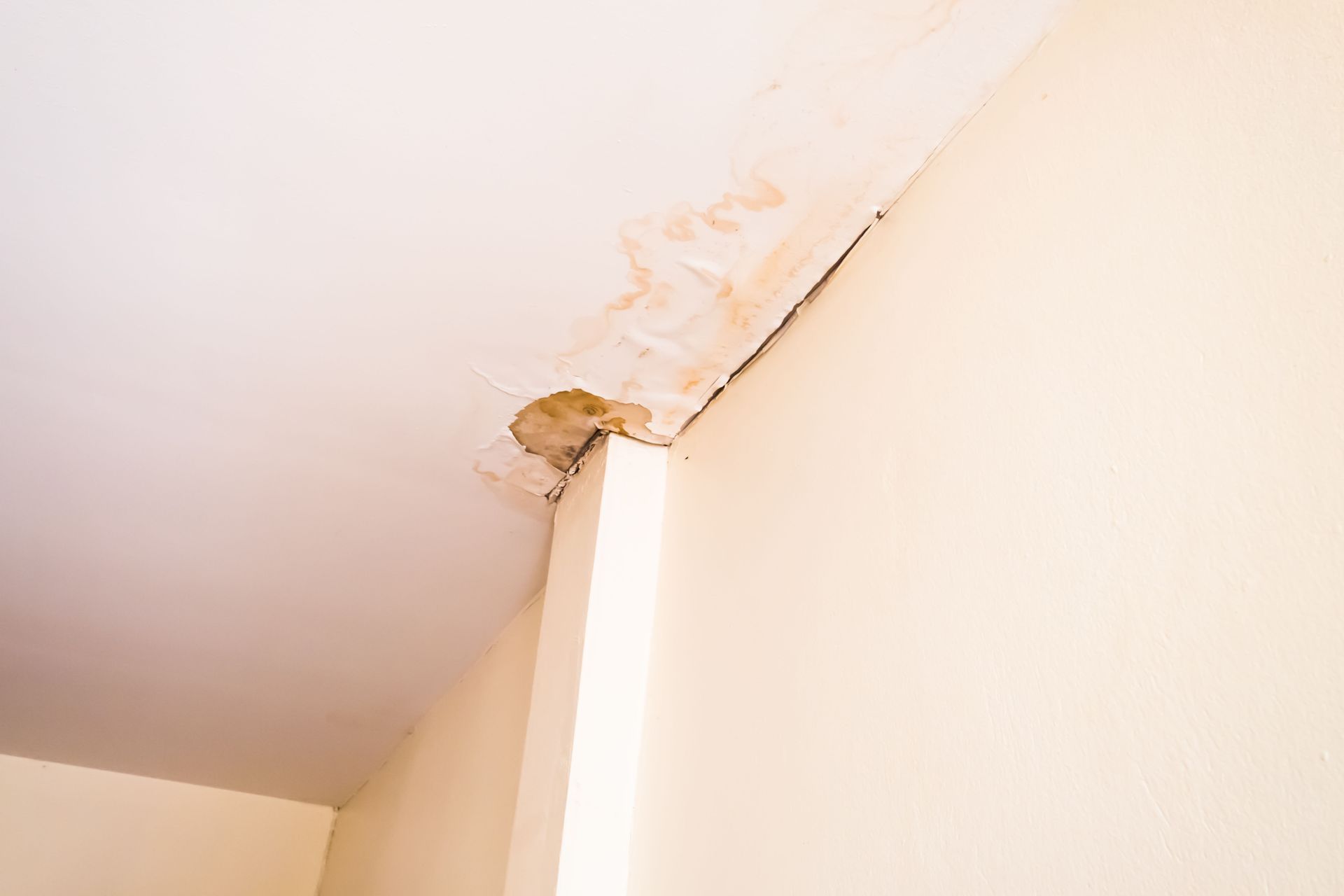
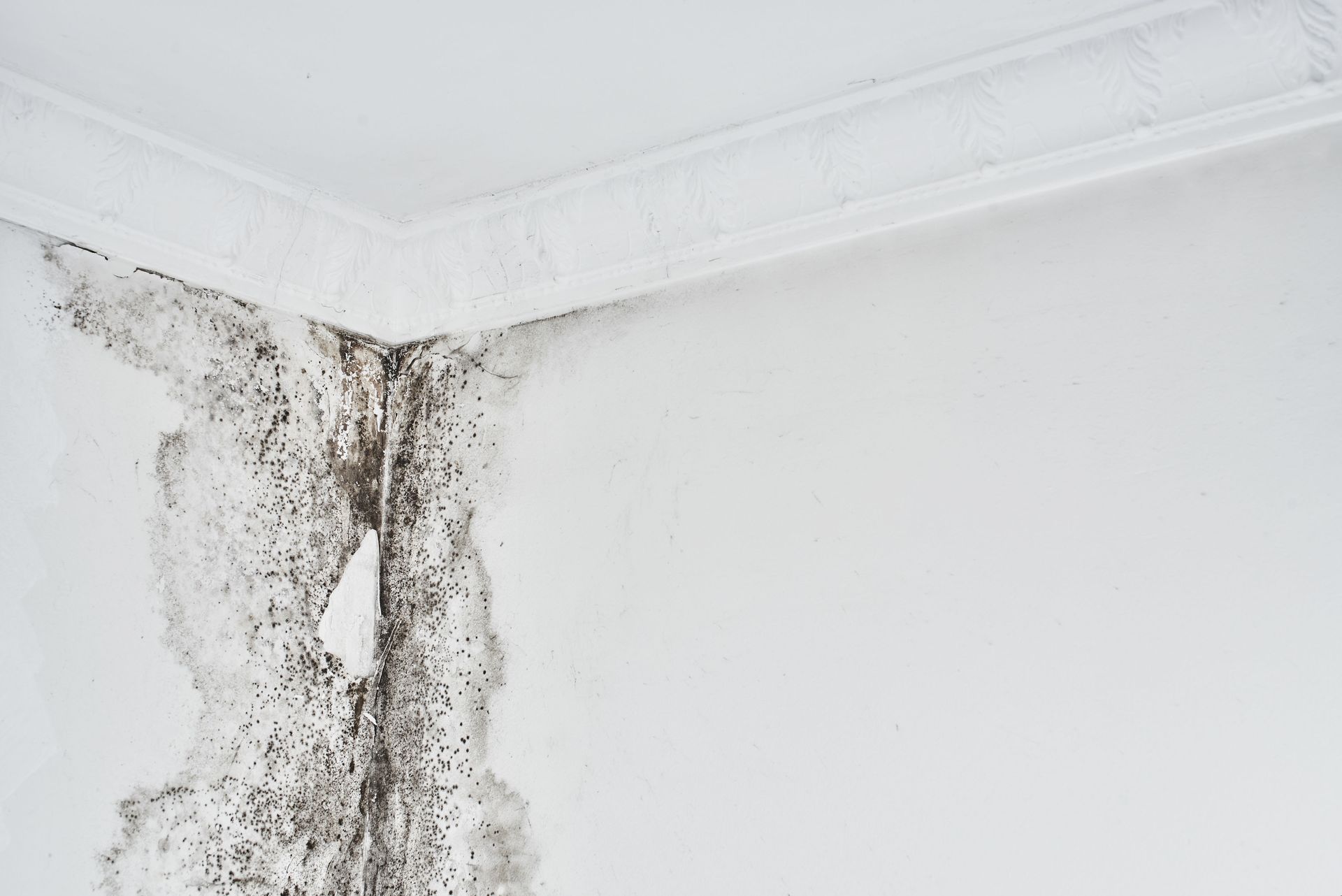
Mold problems are not always as obvious as a dark spot on a wall or a musty smell in the basement. Moisture can collect behind walls, beneath flooring, or in other areas where problems are difficult to notice. Choosing a local mold inspection company can make it easier to identify concerns early while receiving guidance suited to the property and its surroundings.


Local professionals bring more than inspection equipment to the job. They understand conditions that commonly affect properties in their service area and can often respond quickly when moisture or mold becomes a concern. From identifying warning signs to explaining what to do next, working with a nearby professional can make the inspection process more manageable.


Understanding Local Conditions and Mold Growth

Every area has environmental conditions that influence how moisture behaves inside a property. Humidity, rainfall, seasonal temperatures, ventilation, and construction practices can all affect where mold is likely to develop. A local mold inspection company can use its familiarity with these factors when evaluating a property.


Indoor moisture is particularly important because mold needs moisture to grow. According to Fixr, mold colonies may begin developing when indoor humidity rises above approximately 45%. That makes humidity control important in bathrooms, basements, laundry areas, and kitchens where moisture can accumulate.


A local inspector can recognize patterns that may not be immediately apparent to a homeowner. Certain properties may be more prone to condensation, drainage problems, or ventilation issues because of their design or surrounding climate. Understanding these conditions helps inspectors investigate potential sources instead of focusing only on visible growth.


Choosing Faster Response and Easier Scheduling

When you discover a musty odor, water damage, or suspicious discoloration, waiting weeks for an inspection can be frustrating. A local mold inspection company may be able to schedule an evaluation sooner because its service area is nearby. Faster access can be especially useful after plumbing leaks, flooding, roof damage, or other events that introduce excess moisture.


Convenience also matters when coordinating an inspection around work, family responsibilities, or other appointments. A nearby company may provide clearer expectations about scheduling and availability. That can make the process easier from the first phone call through the inspection itself.


Quick service does not mean rushing through the inspection. A qualified professional should still examine visible areas, investigate moisture concerns, and explain the findings clearly. Working locally provides convenient access to professional attention without unnecessary travel or scheduling complications.


Recognizing Regional Building and Moisture Patterns

Homes and commercial properties are not constructed the same way everywhere. Local building practices, common materials, property ages, and renovation trends can influence how moisture enters and moves through a structure. A mold inspection company with experience in the area may recognize these patterns and know which areas deserve closer attention.


For example, an older property may have different ventilation or moisture-control challenges than a recently constructed building. A property with a history of renovations may also contain areas where plumbing, insulation, or drywall was modified. Local experience can help inspectors ask relevant questions about the property's history and investigate areas that might otherwise be overlooked.


This regional familiarity can make conversations with property owners more useful. Instead of simply pointing out a potential problem, an inspector can explain why certain conditions may contribute to it and what information should be considered next. That practical context helps homeowners understand what they are seeing and make informed decisions.


Supporting More Personalized Service

One advantage of choosing a local business is the opportunity for a more personal service experience. A local mold inspection company often depends on its community reputation, which can encourage a strong focus on communication and customer satisfaction. Property owners may appreciate having a professional who takes time to answer questions rather than treating the inspection as a quick transaction.


Personalized service is particularly helpful when mold concerns are confusing. Homeowners may not know whether a musty odor, water stain, or small patch of discoloration warrants professional attention. Having someone explain what they observe and what should happen next can provide useful clarity.


Local service can also make follow-up communication easier. If questions arise after the inspection, having a nearby company can simplify the process of requesting clarification or discussing next steps. That accessibility can be valuable when property conditions change or additional moisture concerns appear.


Building Stronger Community Connections

Local businesses are part of the communities they serve, and that connection can influence customer relationships. A mold inspection company operating in the same area as its customers has an ongoing interest in maintaining a positive reputation.

Consistent service, clear communication, and professional conduct can help build lasting relationships with property owners.


Community reputation can also make referrals more meaningful. People often turn to friends, neighbors, coworkers, and local businesses when looking for property-related services. While reviews should not replace checking credentials, they can provide insight into how a company communicates and treats its customers.


Choosing local services can also keep more spending within the surrounding community. When residents hire nearby professionals, that activity can support local employment and other community services. The result can benefit both the property owner receiving assistance and the local economy.


Comparing Qualifications, Services, and Value

Choosing a nearby provider should not mean choosing the first company that appears in a search result. Before hiring a mold inspection company, property owners should review credentials, relevant training, insurance coverage, customer feedback, and the scope of services provided. These details can help identify a qualified professional who can provide the level of evaluation a property requires.


It is also important to understand what an inspection includes. Depending on the situation, an evaluation may involve visual inspection, moisture detection, documentation, and sampling when appropriate. Asking what methods will be used and how findings will be explained can help homeowners understand what they are paying for.


Price is another consideration, but the lowest estimate is not automatically the best value. A thorough inspection that identifies a moisture source or potential hidden problem may provide more useful information than a cheaper service with limited evaluation. Comparing qualifications, communication, inspection methods, and overall value can lead to a more informed decision.


Selecting a Local Professional With Confidence

The best choice depends on the property, the reason for the inspection, and the professional's ability to address those needs. Look for a mold inspection company that communicates clearly, explains its inspection process, provides appropriate documentation, and answers questions without making unrealistic promises. A professional approach can make it easier to understand what the inspection can and cannot determine.


Homeowners should also pay attention to how the company handles concerns. Clear explanations are especially important when discussing moisture, visible growth, sampling, or potential remediation. A good inspection should provide useful information that helps the property owner understand the situation rather than creating unnecessary confusion.


Ultimately, choosing a local provider combines convenience with relevant experience and professional service. Local knowledge can help inspectors understand environmental and property-specific factors, while nearby availability can make scheduling and follow-up easier. When these benefits are combined with proper qualifications and transparent communication, property owners can approach mold concerns with greater confidence.


A professional inspection is a practical way to investigate concerns, understand property conditions, and determine whether additional action may be appropriate. Taking that step early can help property owners make decisions based on information rather than guesswork. Local expertise can make the process more convenient, personalized, and relevant to the property being evaluated. For professional local mold inspection services, contact ASAP Environmental Inc.
November 12, 2026
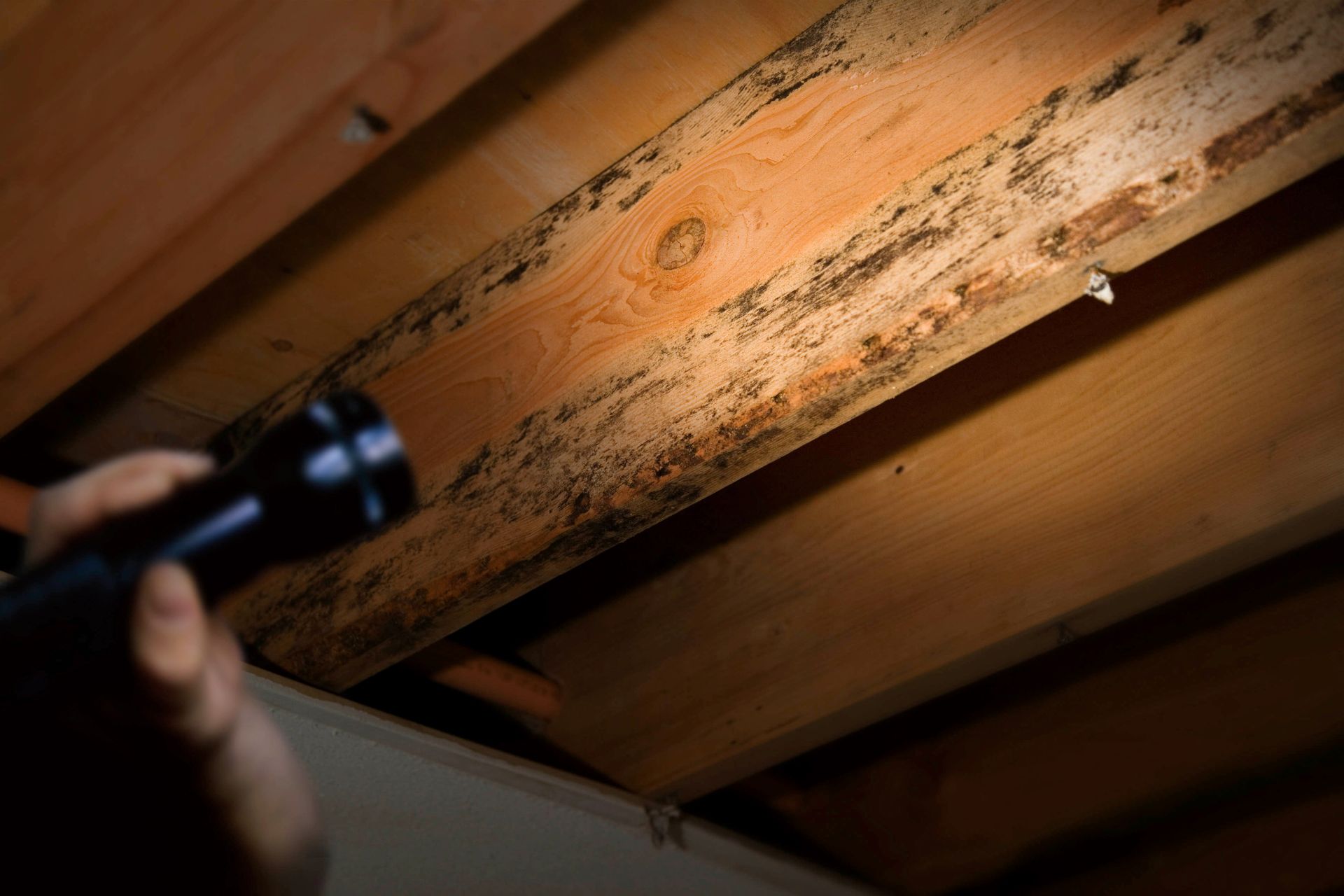
Indoor humidity plays an important role in maintaining a healthy home. When moisture accumulates indoors, it can encourage mold growth, damage building materials, and affect indoor air quality. Moisture problems are not always obvious, especially when they develop behind walls, beneath flooring, or inside poorly ventilated spaces. According to the CDC, indoor humidity should stay at 50% or lower to help prevent mold growth. Understanding how humidity contributes to mold development helps homeowners recognize potential problems before they become serious. At ASAP Environmental Inc, we understand the importance of identifying moisture-related concerns and addressing mold problems professionally. Working with a local mold inspection company can help homeowners understand their property's condition and determine whether additional services are necessary. Understanding How Humidity Contributes to Mold Growth Recognizing Conditions That Encourage Mold Mold is a naturally occurring fungus that reproduces through microscopic spores. These spores exist throughout indoor and outdoor environments but require moisture to grow into colonies. When spores settle on damp surfaces, they may begin growing if suitable conditions persist. Materials such as drywall, wood, carpeting, and insulation can provide the organic matter necessary for mold development. Warm temperatures, inadequate ventilation, and recurring moisture exposure can make these conditions more favorable. Even well-maintained homes may experience mold problems when moisture accumulates in concealed areas. Understanding the Relationship Between Moisture and Mold Humidity measures the amount of water vapor in the air relative to the maximum amount it can hold at a particular temperature. As indoor humidity increases, moisture can accumulate on cooler surfaces. Condensation around windows, plumbing fixtures, and exterior walls may indicate conditions supporting mold growth. However, elevated humidity does not automatically mean mold is present. A local mold inspection company can evaluate suspicious areas and determine whether visible damage or persistent moisture indicates a larger concern. Identifying Areas Vulnerable to Excess Humidity Certain parts of a home are more susceptible to moisture accumulation because of their location or everyday use. Bathrooms and kitchens frequently experience humidity increases from bathing and cooking. Basements may develop damp conditions because of groundwater intrusion, foundation leaks, or inadequate ventilation. Attics and crawl spaces can also experience moisture problems when ventilation, insulation, or drainage conditions are unsuitable. These areas deserve attention because mold may develop on concealed surfaces before homeowners notice discoloration. Recognizing Warning Signs of Indoor Moisture Problems Identifying Visible Signs of Excess Moisture Moisture problems often produce warning signs before extensive mold growth becomes apparent. Condensation on windows, peeling paint, warped materials, and discolored walls can indicate elevated moisture levels. Water stains on ceilings may suggest roofing or plumbing problems. Damp flooring and deteriorating baseboards can indicate moisture intrusion. Although these conditions do not necessarily confirm mold contamination, they warrant professional attention when persistent. Detecting Hidden Signs of Mold Development Mold does not always grow in visible locations. Colonies may develop behind drywall, beneath carpeting, inside wall cavities, or around concealed plumbing connections. Persistent musty odors can suggest microbial growth, even when surfaces appear unaffected. Repeated water damage may indicate that hidden materials remain damp. A local mold inspection company can investigate concerning conditions and assess areas requiring further evaluation. Professional assessments are particularly valuable when moisture problems continue despite previous repairs or homeowners cannot identify an unusual odor's source. Understanding Potential Indoor Air Quality Concerns Mold exposure can affect individuals differently. Some people experience nasal congestion, coughing, eye irritation, or skin irritation when exposed to damp or moldy environments. Individuals with asthma, allergies, or respiratory conditions may be particularly sensitive. However, symptoms alone cannot establish whether a property contains problematic mold growth. Addressing dampness and investigating suspected contamination can help improve indoor environmental conditions. Evaluating How Building Systems Influence Humidity Assessing Ventilation and Air Circulation Ventilation helps regulate moisture accumulation by exchanging indoor air with outdoor air when conditions are appropriate. Poor ventilation can allow humidity to remain elevated in bathrooms, kitchens, and enclosed spaces. However, introducing humid outdoor air may worsen indoor moisture conditions. Professional assessments can identify conditions contributing to persistent dampness and determine whether specialized ventilation improvements may be beneficial. Examining Heating and Cooling Performance Heating, ventilation, and air conditioning systems influence indoor temperature and moisture levels. Properly functioning air conditioning equipment can remove moisture during cooling. However, incorrectly sized equipment, restricted airflow, or maintenance problems may reduce humidity control. Condensation around ductwork or cooling components may create localized moisture concerns. A local mold inspection company can identify signs of moisture-related damage, while qualified HVAC professionals can evaluate equipment performance and recommend corrections. Investigating Insulation and Structural Conditions Insulation and building construction influence how moisture moves through a property. Poorly insulated surfaces may become cool enough for condensation to develop. Water intrusion around windows, roofing components, and foundations can introduce additional moisture into enclosed spaces. Professional evaluation can distinguish surface-level moisture concerns from conditions involving concealed building materials, supporting informed decisions about corrective work. Understanding the Value of Professional Mold Inspections Identifying Potential Sources of Moisture Effective mold management begins with understanding why excess moisture is present. Professional inspectors evaluate visible conditions, review evidence of water damage, and investigate areas where moisture accumulates. Specialized instruments may assist in identifying damp materials or unusual moisture patterns. A local mold inspection company can provide insight into whether a problem appears isolated or involves multiple areas. Identifying contributing conditions is essential because mold may return when underlying moisture problems remain unresolved. Determining Whether Additional Testing Is Appropriate Not every mold concern requires laboratory testing. Visible growth, documented water damage, and persistent dampness may provide sufficient information to recommend corrective action. However, certain circumstances may justify additional investigation when the source or extent of suspected contamination remains unclear. Professional inspectors can explain the purpose and limitations of available assessment methods. At ASAP Environmental Inc, we believe property owners benefit from understanding their concerns and receiving appropriate guidance rather than relying on assumptions. Planning Appropriate Corrective Measures Once moisture-related concerns have been identified, the next step involves determining which professional services are appropriate. Corrective measures may include addressing water intrusion, repairing affected building components, improving moisture control, or arranging professional mold remediation. Mold-contaminated materials sometimes require specialized handling to limit contamination spread. A local mold inspection company can help property owners understand inspection findings and make informed decisions about the next steps. Maintaining Healthier Indoor Conditions Over Time Monitoring Changes in Indoor Humidity Indoor humidity fluctuates with seasonal weather, building occupancy, and heating or cooling demands. Homes in humid climates may experience persistent moisture challenges during warmer months. Colder seasons can create condensation when warm indoor air contacts cooler surfaces. Understanding seasonal patterns helps property owners recognize when moisture conditions require attention. Humidity measurements provide useful information but should be considered alongside visible building conditions and water intrusion evidence. Addressing Recurring Moisture Concerns Recurring dampness deserves attention because repeated moisture exposure can damage materials and support mold growth. Returning water stains, persistent odors, and repeated condensation may indicate that the original moisture source remains unresolved. Professional assessments can clarify whether additional investigation or specialized repairs are necessary. Working with a local mold inspection company can be beneficial when previous attempts to resolve moisture problems have not produced lasting improvements. Scheduling Professional Evaluations When Needed Property owners should consider professional assistance when they notice unexplained odors, suspected mold, recurring water damage, or persistent dampness. An inspection may also be helpful following significant plumbing leaks, flooding, or prolonged moisture exposure. Early professional evaluation can identify concerns before additional building materials become affected. Rather than waiting for contamination to spread, homeowners can make informed decisions based on professional recommendations. Protecting Your Home With ASAP Environmental Inc Managing indoor humidity helps protect your property from mold-related problems. However, moisture conditions can be complicated, especially when water intrusion or suspected contamination affects concealed building materials. Recognizing warning signs and seeking professional guidance can help property owners respond appropriately. At ASAP Environmental Inc, we understand how concerning suspected mold growth can be for homeowners. We emphasize the importance of professional evaluation and informed decisions when addressing moisture-related concerns. If you notice persistent dampness, unusual odors, or signs of possible mold growth, contact ASAP Environmental Inc to discuss your concerns. Working with a trusted local mold inspection company can help you take the next step toward understanding and addressing potential problems in your home.
November 11, 2026
Indoor humidity plays an important role in maintaining a comfortable, healthy environment. When moisture levels become excessive, they can encourage biological growth, damage building materials, and contribute to respiratory discomfort. Understanding how humidity affects indoor spaces helps property owners recognize potential problems before they become serious. At ASAP Environmental Inc, we understand the importance of identifying environmental hazards and addressing moisture-related concerns professionally. Whether excess humidity results from poor ventilation, plumbing leaks, or water intrusion, proper assessment is essential for protecting indoor spaces. Understanding the relationship between moisture and indoor conditions helps homeowners make informed decisions about environmental services. Understanding Humidity and Its Effects on Indoor Spaces Understanding Relative Humidity Humidity refers to the amount of water vapor present in the air. Relative humidity measures that moisture as a percentage of the maximum amount the air can hold at a particular temperature. Because warmer air can hold more moisture, indoor humidity levels may fluctuate throughout the day. Maintaining balanced humidity contributes to comfort and helps preserve building materials. Excessive moisture can affect drywall, wood, insulation, and other surfaces, particularly when damp conditions persist. Understanding these changes helps property owners recognize when professional assessments may be necessary. Identifying Ideal Indoor Humidity Levels Indoor relative humidity between 30% and 50% is generally recommended for maintaining comfortable conditions and limiting excessive moisture. However, appropriate levels can vary depending on seasonal temperatures and building conditions. According to Fixr, mold colonies can start to form when indoor humidity levels go above 45%. This highlights how elevated moisture contributes to biological growth. However, humidity alone does not determine whether colonies will develop. Surface moisture, temperature, available nutrients, and the duration of damp conditions also influence growth. Recognizing Changes in Indoor Comfort Humidity fluctuations can affect how comfortable a building feels. High humidity may create a clammy atmosphere because moisture slows perspiration evaporation. Conversely, excessively dry air can contribute to skin irritation and respiratory discomfort. Persistent moisture can create condensation around windows, walls, and cooler surfaces. These conditions may indicate inadequate ventilation, temperature differences, or moisture intrusion. Recognizing unusual indoor conditions allows property owners to seek professional guidance before additional damage develops. Understanding the Relationship Between Humidity and Biological Growth Identifying Conditions That Encourage Growth Mold is a naturally occurring fungus that reproduces through microscopic spores. These spores exist throughout indoor and outdoor environments and may begin growing when they encounter damp materials. Building materials such as wood, drywall, paper, and carpeting can provide suitable surfaces when moisture remains present. Warm temperatures and limited airflow may further contribute to favorable conditions. The presence of spores does not automatically indicate a serious indoor problem. However, persistent dampness can allow colonies to develop, making moisture identification an important component of environmental assessments. Recognizing Hidden Moisture Problems Not every moisture problem produces visible staining or obvious water damage. Dampness may develop behind walls, beneath flooring, inside ceiling cavities, or around concealed plumbing connections. These locations are concerning because moisture may remain undetected for extended periods. Musty odors, discoloration, peeling paint, or unexplained deterioration sometimes indicate conditions requiring investigation. Professional evaluations can help determine whether moisture has affected concealed materials. Identifying the source is important because treating visible symptoms without addressing underlying water intrusion may allow problems to return. Identifying Areas Vulnerable to Moisture Bathrooms, kitchens, laundry rooms, and basements frequently experience elevated humidity because of plumbing fixtures, water usage, and limited ventilation. Attics and crawl spaces may develop damp conditions when roofing problems, condensation, or inadequate airflow allow moisture to accumulate. Basements are particularly vulnerable when groundwater intrusion or foundation drainage issues introduce moisture. Similarly, roof leaks can affect insulation and structural components before damage becomes visible. Each location presents different environmental challenges. A professional assessment considers construction, moisture sources, ventilation conditions, and affected materials to determine an appropriate response. Understanding the Health Implications of Indoor Moisture Recognizing Respiratory Concerns Exposure to indoor mold can contribute to respiratory symptoms in sensitive individuals. Airborne spores and associated particles may trigger coughing, sneezing, nasal congestion, or irritation of the eyes and throat. People with asthma or existing respiratory sensitivities may experience more noticeable reactions. However, symptoms vary, and not everyone exposed to damp indoor environments experiences health problems. The Environmental Protection Agency explains that moisture control is essential to controlling indoor fungal growth. This reinforces the importance of addressing environmental conditions rather than focusing exclusively on visible contamination. Understanding Allergies and Sensitivities Allergic reactions can occur when susceptible individuals encounter airborne biological particles. Symptoms may resemble seasonal allergies, making the source difficult to identify without medical evaluation. Persistent dampness may support dust mites and other indoor allergens. Consequently, improving environmental conditions involves considering multiple factors rather than assuming every respiratory complaint has the same cause. At ASAP Environmental Inc, we recognize that environmental concerns deserve attention. Professional assessment can help property owners understand moisture-related building conditions, while healthcare professionals evaluate individual symptoms. Protecting Vulnerable Occupants Children, older adults, individuals with asthma, and people with weakened immune systems may be more susceptible to certain effects associated with damp indoor environments. Potential reactions depend on individual health circumstances, exposure conditions, and the materials involved. Because these factors differ, environmental problems should be evaluated based on actual conditions rather than assumptions. Addressing moisture concerns promptly can reduce conditions supporting unwanted biological growth. Property owners responsible for schools, residences, and commercial facilities should be attentive to persistent dampness and unexplained environmental changes. Understanding Professional Moisture Assessment and Remediation Evaluating Moisture Sources Environmental management begins with identifying why excessive moisture is present. Potential causes include plumbing failures, roof damage, inadequate drainage, condensation, and ventilation deficiencies. Professional assessments may involve moisture measurements, visual observations, and evaluation of affected materials. Additional investigation may be necessary to determine the extent of concealed damage. A thorough assessment helps distinguish temporary humidity fluctuations from persistent moisture problems requiring corrective action. This supports appropriate planning and reduces the likelihood of overlooking underlying conditions. Addressing Contaminated Materials When mold develops indoors, professional remediation may be necessary to address affected materials and reduce recurring contamination. The appropriate response depends on the extent of growth, material characteristics, moisture conditions, and potential exposure. Some porous materials may require removal when contamination cannot be adequately addressed. Other surfaces may be suitable for professional cleaning under controlled conditions. Remediation procedures should account for containment, worker protection, and appropriate handling of affected materials. These considerations help limit unnecessary disturbance and movement of airborne particles into unaffected areas. Supporting Long-Term Moisture Management Professional environmental services provide information about conditions contributing to recurring moisture problems. However, lasting improvement depends on correcting underlying sources of dampness. Building owners may need qualified plumbing, roofing, drainage, or HVAC professionals to resolve contributing deficiencies. Appropriate repairs and ventilation improvements help maintain consistent indoor conditions. Follow-up evaluations may be useful when significant moisture damage has occurred. Assessing whether affected materials have dried adequately helps determine whether additional corrective work is necessary. Understanding the Value of Professional Environmental Services Preventing Extensive Property Damage Persistent moisture can weaken building materials, damage finishes, and affect structural components. Wood may swell or deteriorate, drywall can lose integrity, and insulation may become less effective when saturated. Delaying an appropriate response can increase necessary repairs. Problems originating in small areas may spread into adjoining materials when moisture remains uncontrolled. Unaddressed moisture can also increase the likelihood of mold developing in concealed areas, making professional evaluation especially important. Early professional evaluation provides information needed to make informed decisions about corrective measures. Addressing moisture sources before damage becomes extensive helps protect a building's long-term condition. Choosing Professional Environmental Assistance Environmental concerns often involve conditions that cannot be accurately evaluated through appearance alone. Visible discoloration, unusual odors, and recurring dampness may indicate underlying problems requiring specialized investigation. Professional mold assessments can help identify affected areas and determine whether additional remediation measures are necessary. At ASAP Environmental Inc, we believe property owners benefit from understanding professional environmental assessment and remediation practices. Identifying contributing conditions, evaluating affected areas, and coordinating corrective services are important parts of protecting indoor environments. If your residential or commercial property is experiencing persistent humidity, suspected mold contamination, or moisture-related damage, contact ASAP Environmental Inc to discuss your concerns and learn about available environmental services. Professional guidance can help determine appropriate next steps toward maintaining a safer, more comfortable property.
November 6, 2026
A local mold inspection company can help you make sense of warning signs such as leaks, rotting wood, a persistent musty odor, and flaking wallpaper.
Mold Inspection
November 5, 2026
ASAP Environmental Inc explains how professional mold inspections helps identify hidden mold, moisture problems, and potential indoor air quality concerns.
mold
October 30, 2026
Learn how to recognize mold, prevent moisture damage, and keep closets dry. Contact Utah Closet Connection for practical storage solutions after cleanup.
asbestos inspections
October 20, 2026
Learn how asbestos inspections help identify hazardous materials in older homes, reduce exposure risks, and support safer renovations and property maintenance.
local mold inspection
October 13, 2026
ASAP Environmental Inc explains how hidden mold can grow behind walls and under flooring, plus when to schedule a local mold inspection. Call today!
mold inspection service
August 15, 2026
Musty smells, peeling paint, or damp windows? Discover 6 hidden signs of indoor mold and learn how a professional mold inspection service keeps your home safe.
professional mold inspection
June 2, 2026
Mold growths in your home aren't always clearly visible. Here we have a list hidden identifiers that pros look for during a professional mold inspection.
mold inspection service
May 26, 2026
Staying on top of mold growth before they spread can save you in the long run. Learn how a mold inspection service can stop the mold before it gets out of hand.