
Understanding the Consequences of Ignoring Mold Issues
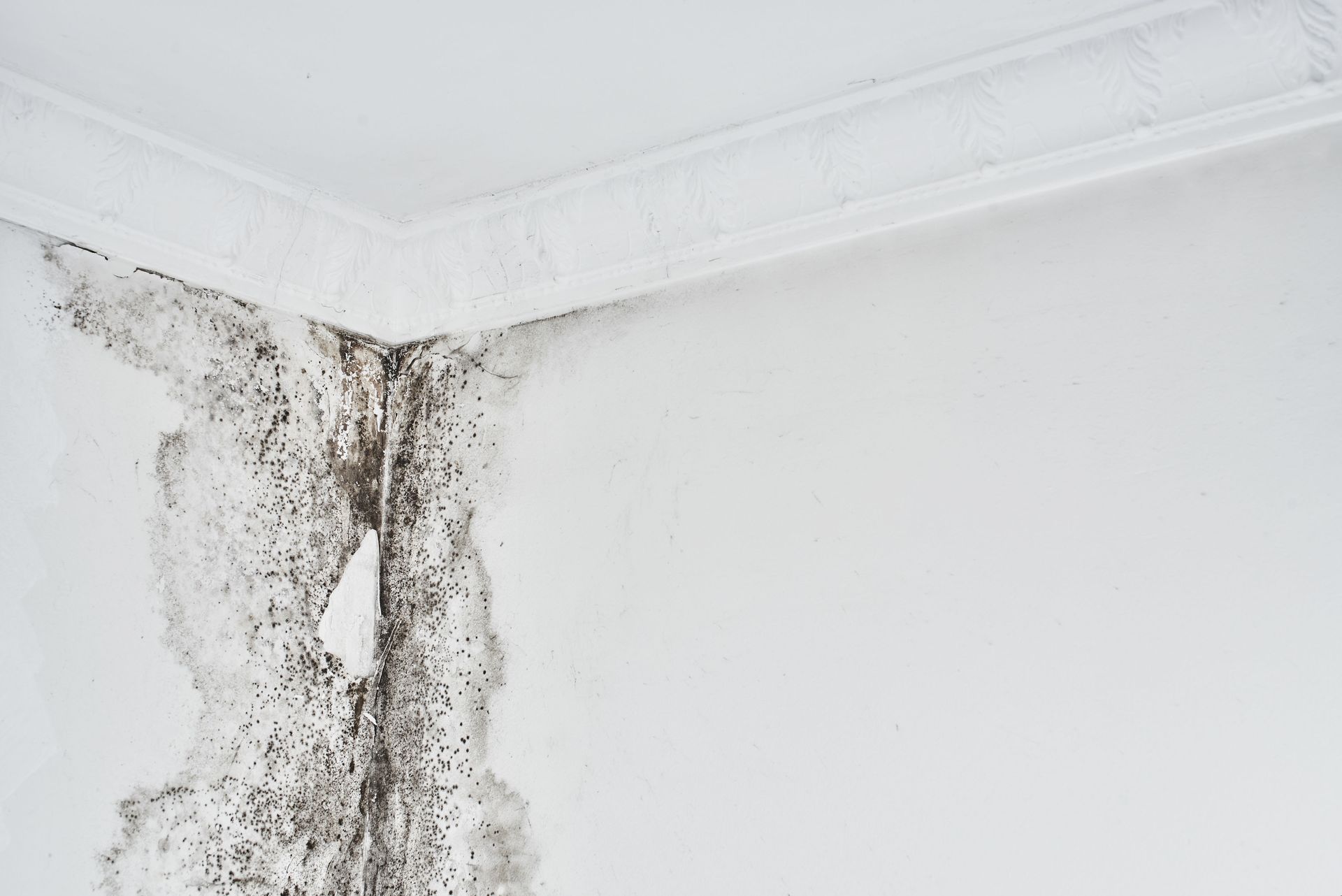
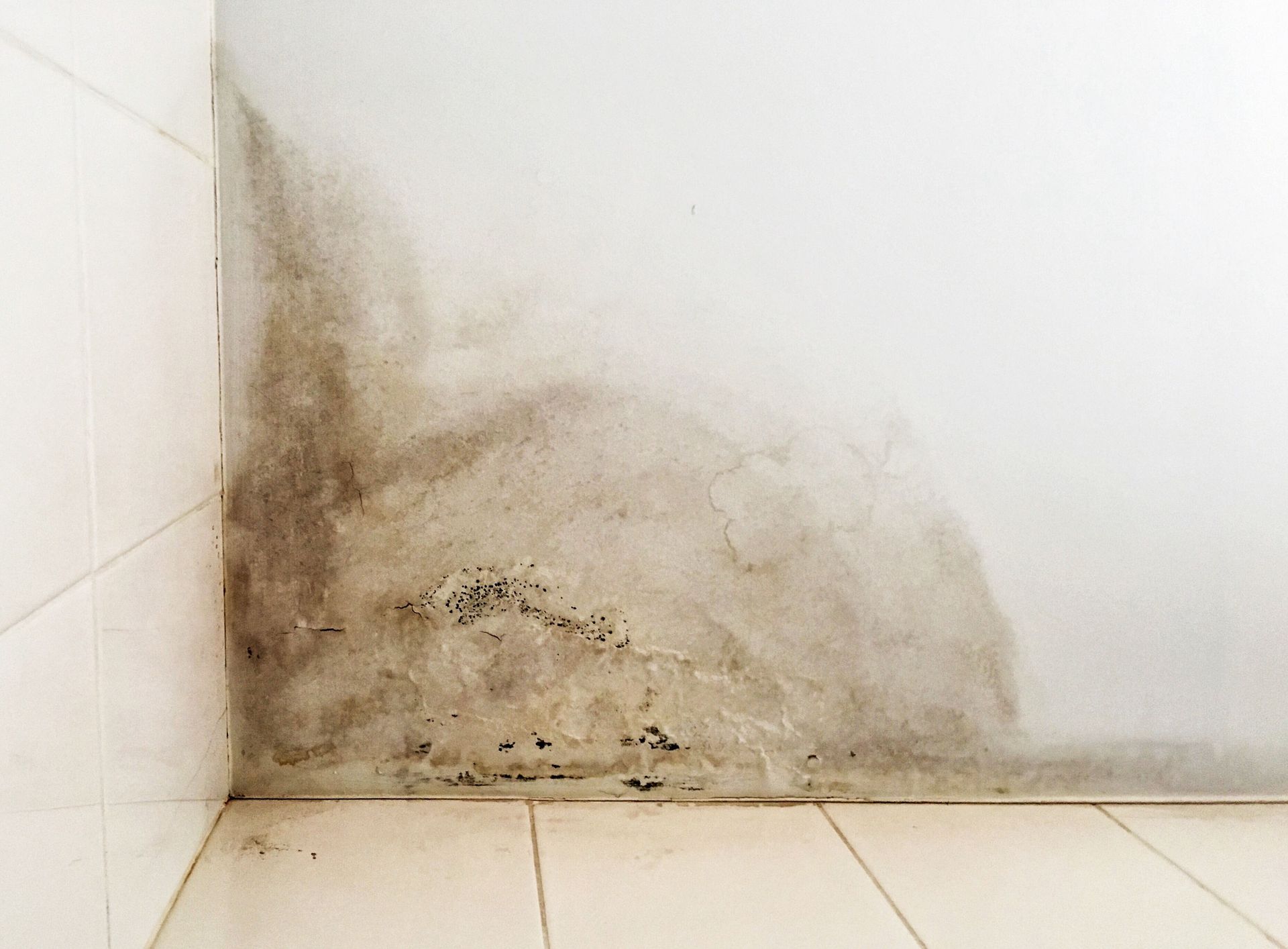
A musty smell behind a closet door or a dark patch near a basement wall can be easy to dismiss. Yet visible staining may be only one sign of a larger moisture problem. Water can enter through a leaking pipe, damaged roof, or foundation opening, then remain trapped behind finishes or beneath stored belongings. The longer that dampness continues, the more disruptive repairs may become.
Ignoring the warning signs can affect health, damage possessions, and create unexpected expenses. It can also make a home feel less comfortable for the people who live there. Understanding what requires attention, and what does not, helps homeowners and renters make practical decisions without unnecessary alarm.
Recognize Symptoms and Exposure Risks
Indoor fungal growth can release spores and fragments into the air. Some people experience nasal congestion, coughing, wheezing, irritated eyes, or skin reactions after exposure. People with asthma or allergies may notice their symptoms worsen. Reactions vary, however, and the appearance of a spot does not establish whether someone's symptoms were caused by it.
Children, older adults, and people with certain respiratory conditions or weakened immune systems may need added precautions. Mold exposure is associated primarily with allergic and respiratory effects; claims that ordinary household exposure routinely causes memory loss, developmental disorders, or widespread immune suppression are not well established. Anyone with persistent or severe symptoms should consult a qualified health professional rather than trying to diagnose the cause from the condition of a room alone.
A safe response focuses on removing unwanted growth and fixing the moisture that supports it, not assuming every indoor spore can be eliminated. If several people develop symptoms, document the timing and discuss concerns with a health professional.
Protect Structural Materials and Belongings
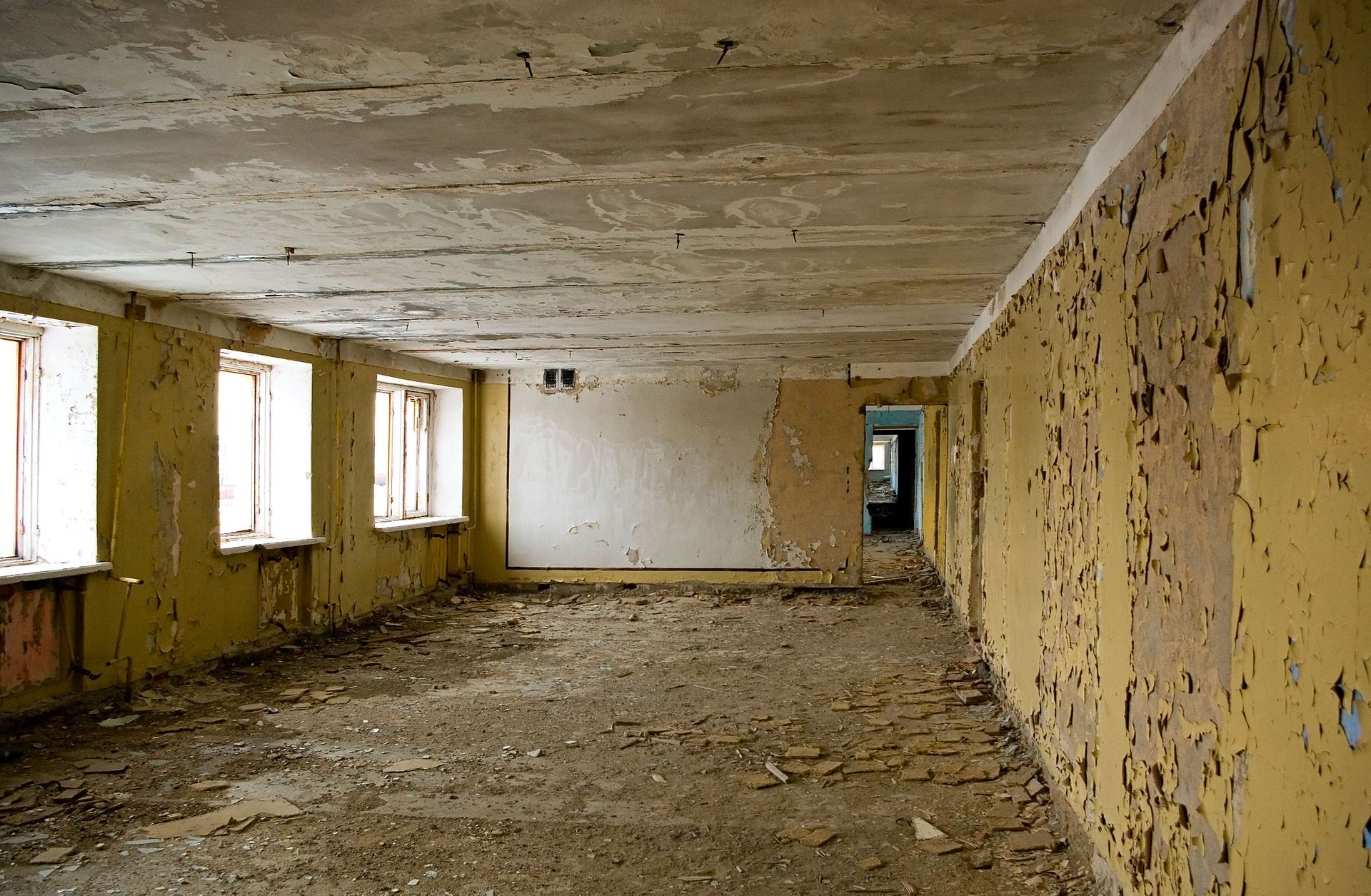
Water-damaged drywall, insulation, carpet, and wood can become difficult to restore when they stay wet. Porous materials may hold moisture beneath a surface that appears dry. Over time, deteriorating finishes can require removal, and prolonged water intrusion can contribute to rot or other building problems that warrant professional assessment.
Stored possessions are vulnerable too. Clothing, cardboard boxes, books, upholstered furniture, and keepsakes can absorb dampness in basements and closets. Once mold has penetrated certain porous items, cleaning may not restore them safely or completely. Photographs and an inventory can help document affected belongings before anything is discarded.
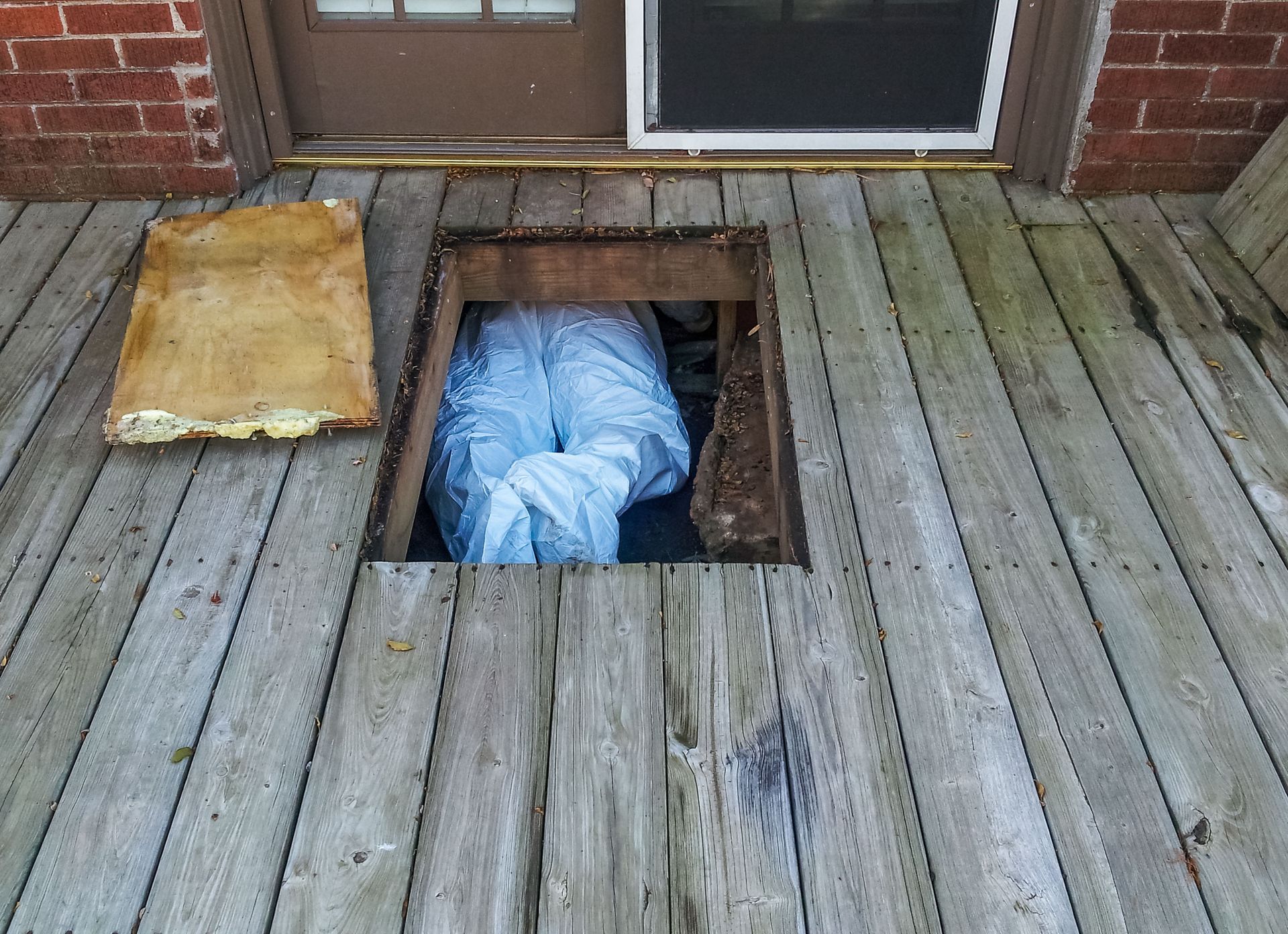
The best approach is to check both the source of the water and the materials around it. Repainting stains or adding a new cabinet against a damp wall may hide damage while allowing the underlying problem to continue. A thorough inspection can reveal whether drying, cleaning, or replacement is appropriate. Hidden cavities and the underside of flooring may need attention even when the room looks clean.
Account for Repair Costs and Coverage Limits
What begins as a small leak can become a larger project if damaged materials must be opened, dried, or replaced. Repair costs may include plumbing or roofing work, professional cleanup, replacement flooring, and temporary storage. When rooms cannot be used during restoration, a household may face additional disruption or short-term lodging expenses.
Insurance is not a guaranteed solution. Whether damage from mold is covered depends on the cause of the water loss, the policy's exclusions, and any applicable limits or endorsements. A sudden, covered plumbing failure may be treated differently from long-term seepage or a flood. Homeowners should document damage, prevent additional loss where safe, and contact their insurer promptly to understand claim requirements.
Keeping maintenance records, photographs, and repair receipts can clarify what happened and when. Ask what authorization the insurer requires before removing large amounts of damaged material. Early attention does not eliminate every expense, but it can reduce the chance that an overlooked problem turns into a more extensive repair.
Consider Emotional and Daily Disruption
A damp home can be stressful even when nobody experiences physical symptoms. Occupants may worry about belongings, repair bills, or whether a particular room is safe to use. Moving furniture, arranging contractor visits, and adjusting daily routines can interrupt work, school, and family activities. These concerns deserve a practical response, not embarrassment or blame. Moisture problems can occur in well-maintained buildings, particularly after storms or concealed plumbing failures.
The presence of mold does not, by itself, prove that a person has a neurological or mental health condition. Still, uncertainty about indoor conditions and prolonged repairs can understandably contribute to anxiety. Clear information about the next steps can make the situation feel more manageable.
Create a short written plan that identifies the water source, who will inspect it, where affected items will be stored, and how residents will receive updates. When children, older adults, or people with health concerns are involved, prioritize access to clean, comfortable living areas while the issue is addressed.
Find Moisture Problems Before They Spread
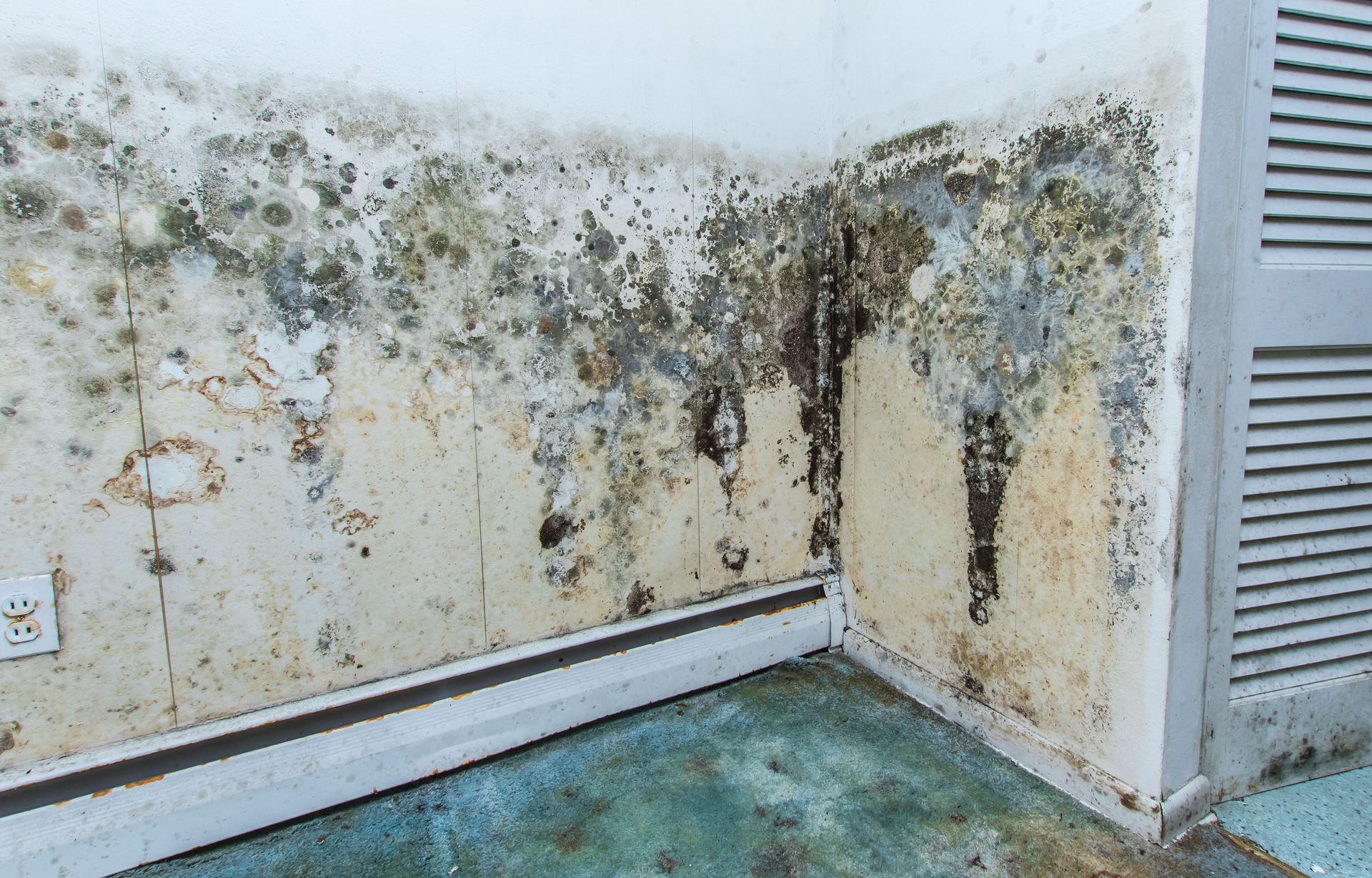
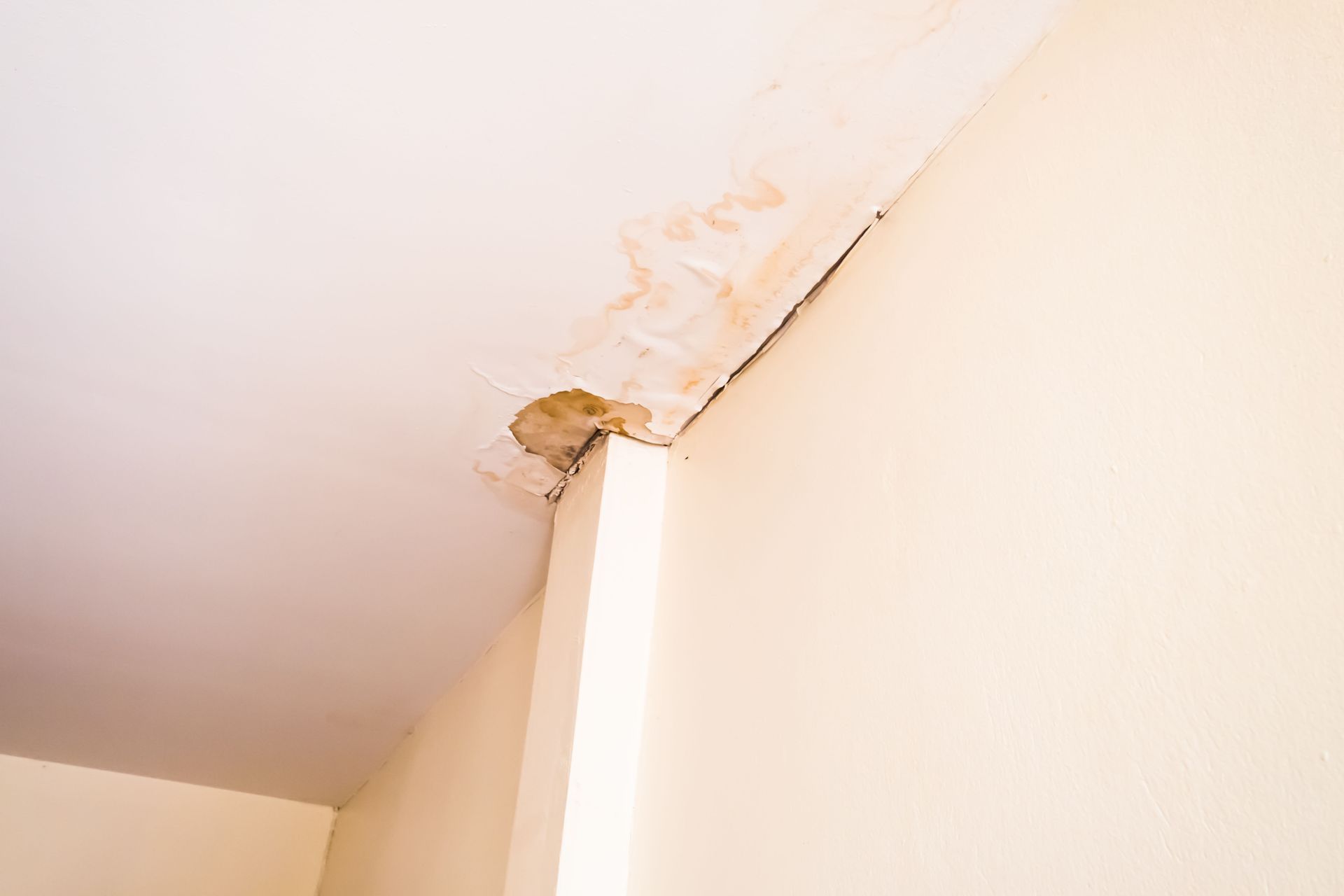
Early warning signs include water stains, peeling paint, recurring condensation, warped trim, and persistent musty odors. Check under sinks, around plumbing connections, behind appliances, and near windows or exterior walls. A closet crowded tightly against a cold wall may also conceal damp patches or limit airflow around stored fabrics.
Speed matters after a flood; according to This Old House, a flooded basement can quickly lead to mold, which may start growing within 24 to 48 hours. Remove standing water only when the area is safe, and begin drying affected materials promptly. Floodwater may contain contaminants, while electrical hazards can make entry dangerous; those situations call for qualified assistance.
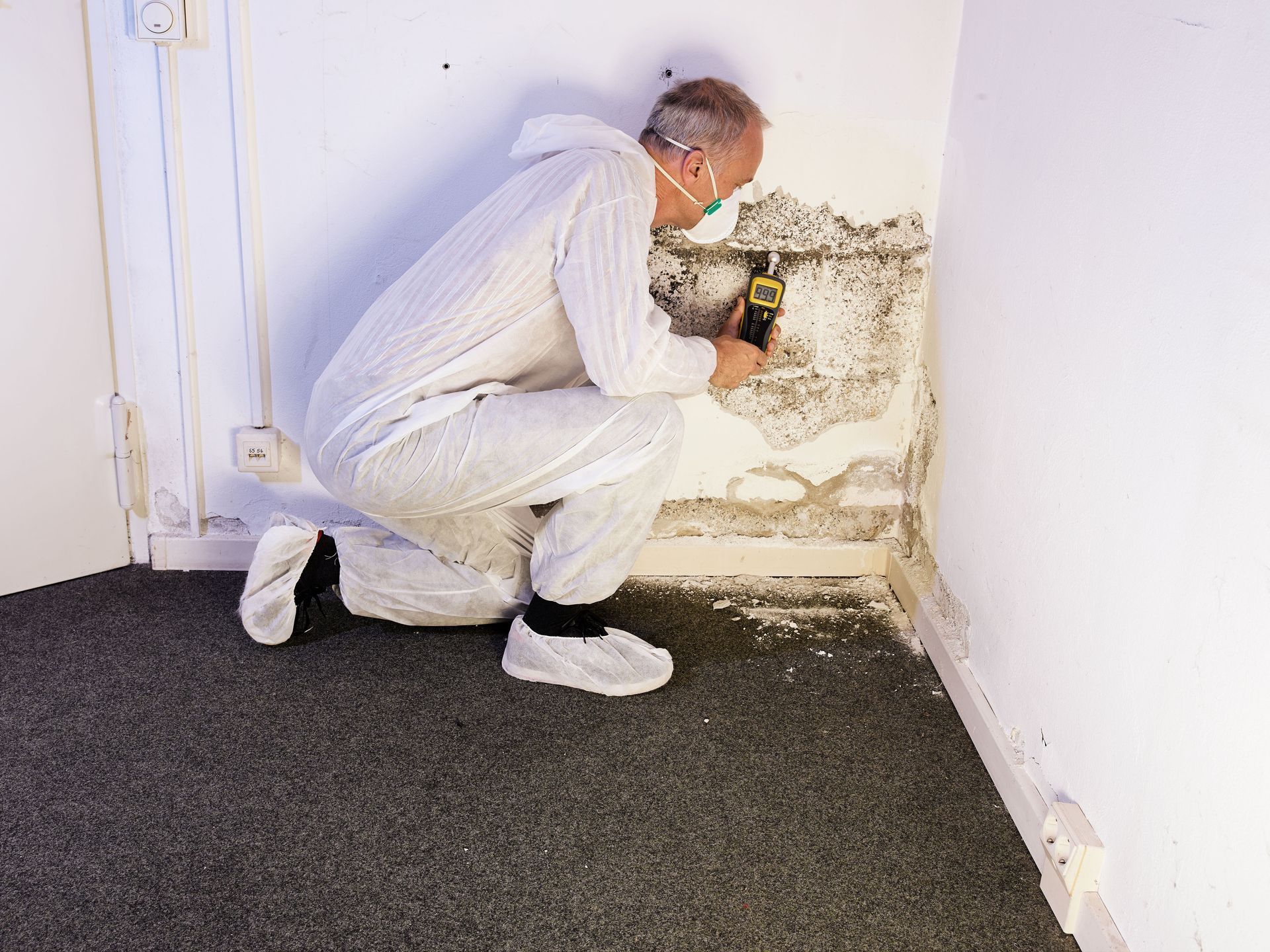
A moisture meter or indoor humidity monitor may help identify developing trouble, but neither replaces investigating a leak. Look for the reason moisture appeared before deciding that a surface is dry enough to cover, paint, or put back into use. Check again after the next heavy rain or after running the affected plumbing fixture.
Choose Safe Cleaning and Remediation Methods
Small areas on hard, nonporous surfaces can sometimes be cleaned with detergent and water, followed by thorough drying. Appropriate gloves, eye protection, and ventilation may be useful. Never combine cleaning chemicals. People with respiratory conditions or other heightened health risks should avoid doing cleanup that could expose them to airborne particles.
Larger affected areas, sewage-contaminated water, hidden damage, or recurring mold warrant professional evaluation. Cleanup may require isolating the work area and safely removing materials that cannot be restored. Simply spraying a product over a stain does not resolve a leak, and testing for a particular species is generally less useful than locating and correcting the moisture problem. Ask a remediation provider to explain what will be removed, how dust will be contained, and when the space can be used again.
Before repairs are closed up, confirm that wet materials have dried and the source of water has been fixed. Otherwise, new finishes can conceal the same conditions that caused the original damage.
Clarify Responsibilities and Prevent Recurrence
In rental housing, residents should report leaks and visible damage promptly, preferably in writing, and keep copies of photographs and messages. Owners and property managers should respond in accordance with applicable maintenance and habitability requirements. These duties vary by location, so a local housing agency or qualified professional may be needed when repairs are disputed.
Mold prevention is a shared effort: repair leaks, use bathroom and kitchen exhaust fans where available, keep indoor humidity under control, and allow air to circulate around stored items. Utah Closet Connection can be part of a conversation about practical closet layouts once moisture problems have been resolved; storage improvements are not a substitute for professional remediation when that is needed.
Ignoring damp conditions can turn a manageable moisture issue into a more expensive and disruptive one. Prompt reporting, safe cleanup, and routine maintenance protect the living space while helping everyone understand what to do next. The goal is a dry, usable home, not an unrealistic promise that every naturally occurring spore will disappear.

Share On: