
How Mold Can Develop Behind Walls and Under Flooring
Mold does not need to be visible to become a problem. Favorable places for growth are hidden behind drywall, beneath flooring, around plumbing, or inside enclosed spaces where moisture can remain unnoticed. By the time a musty odor or discoloration appears, the source may be somewhere homeowners cannot easily see.
Understanding how hidden mold develops can help property owners know when a local mold inspection may be appropriate. Moisture is the key factor. If water reaches porous materials and the area does not dry properly, mold can begin growing on drywall paper, wood, carpet backing, subflooring, insulation, and other materials.
Hidden Mold Usually Starts With Moisture
Mold spores are common in indoor and outdoor environments, but they need the right conditions to grow. Moisture is the most important factor. A plumbing leak, roof leak, flood, condensation problem, elevated humidity, or water intrusion around the foundation can create damp conditions inside materials that otherwise appear normal from the occupied side of the room.
Temperature can also support growth. According to This Old House, mold thrives in areas between 60 and 80 degrees Fahrenheit when moisture and organic materials are available. Because that overlaps with normal indoor temperatures, controlling moisture is especially important.
Hidden spaces can remain damp longer because air movement is limited. Once moisture gets behind a wall or beneath flooring, it may not evaporate as quickly as water on an exposed surface.
Plumbing Leaks Can Feed Mold Behind Walls
Pipes often run through wall cavities, under floors, and behind cabinets. A small supply-line leak, slow drain leak, or loose plumbing connection can release moisture without producing an obvious puddle. Water may soak into drywall, wood framing, insulation, or subflooring while the finished surface still looks relatively normal.
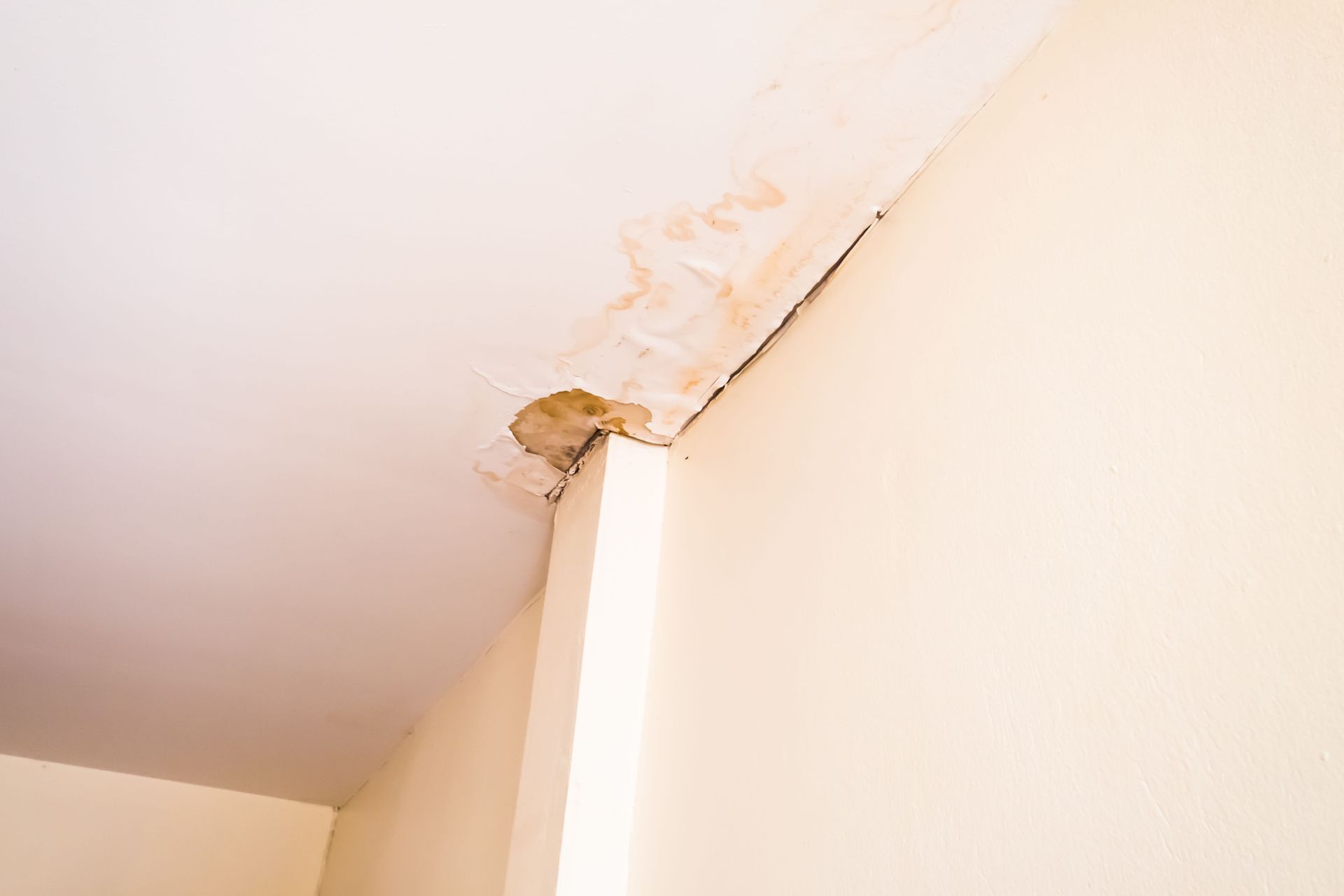
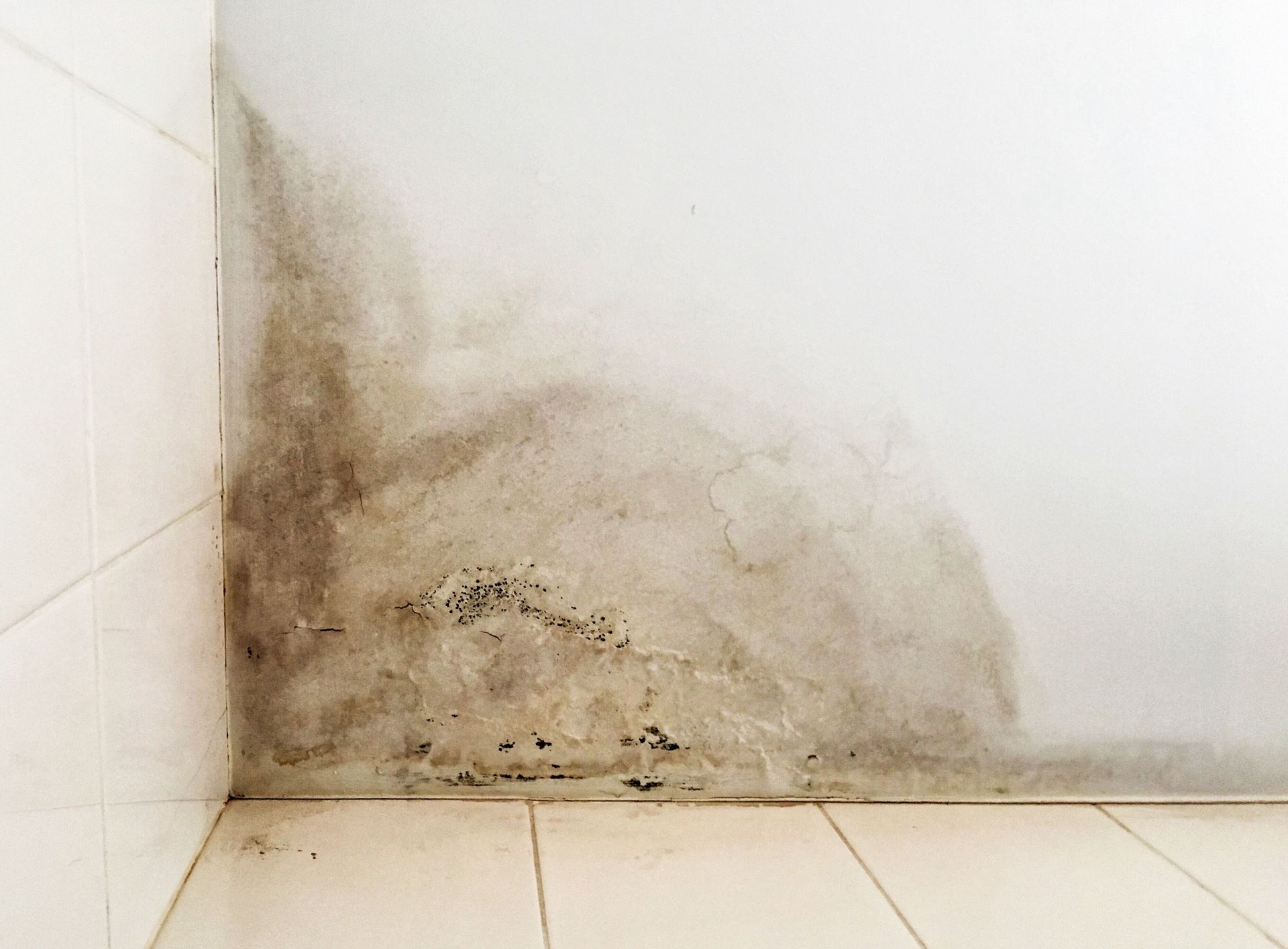
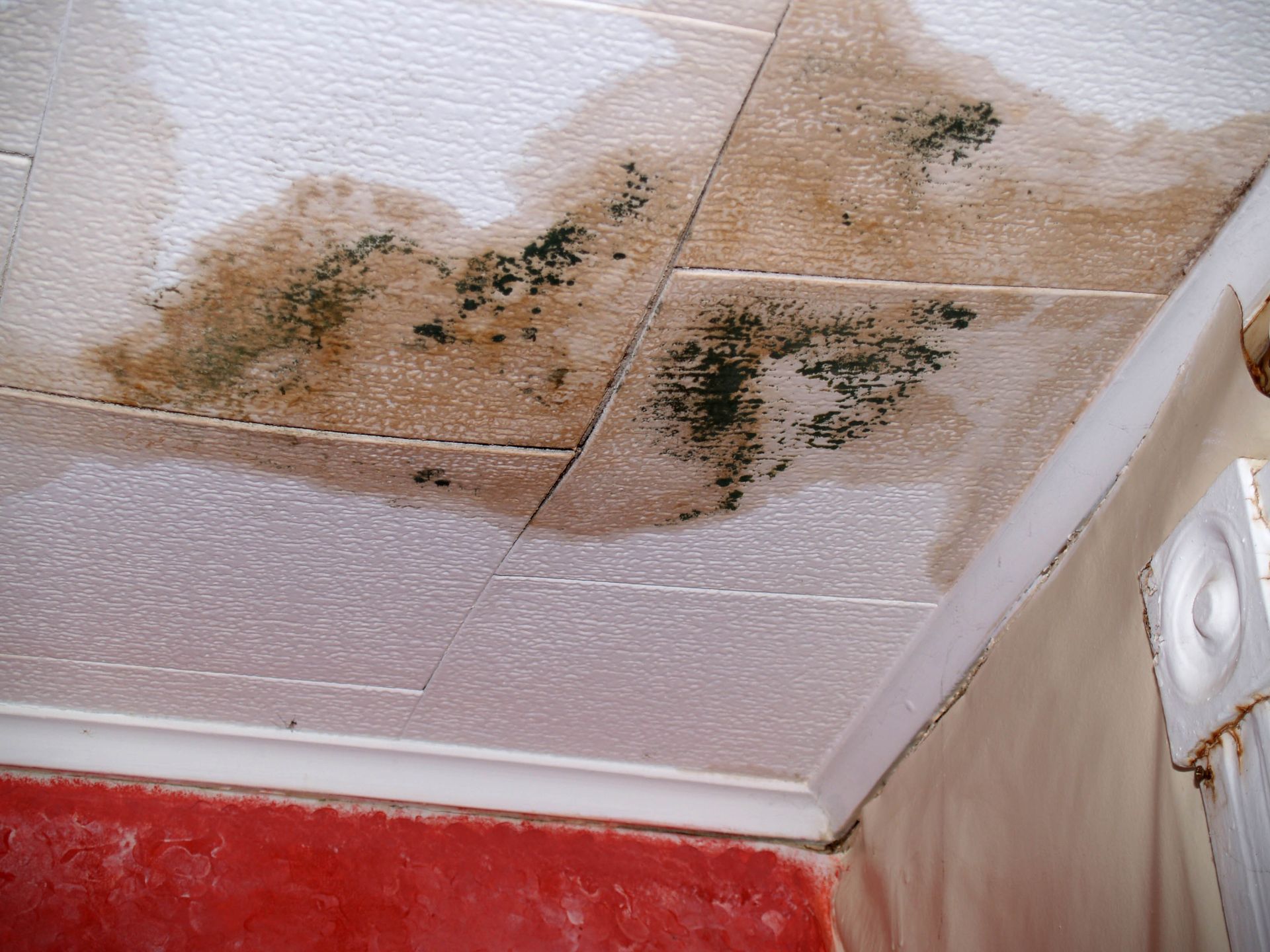
Over time, paint can bubble, drywall may stain or soften, trim can swell, flooring may change shape, or a musty odor may develop. Sometimes the first clue is simply that a room smells different even though no mold is visible.
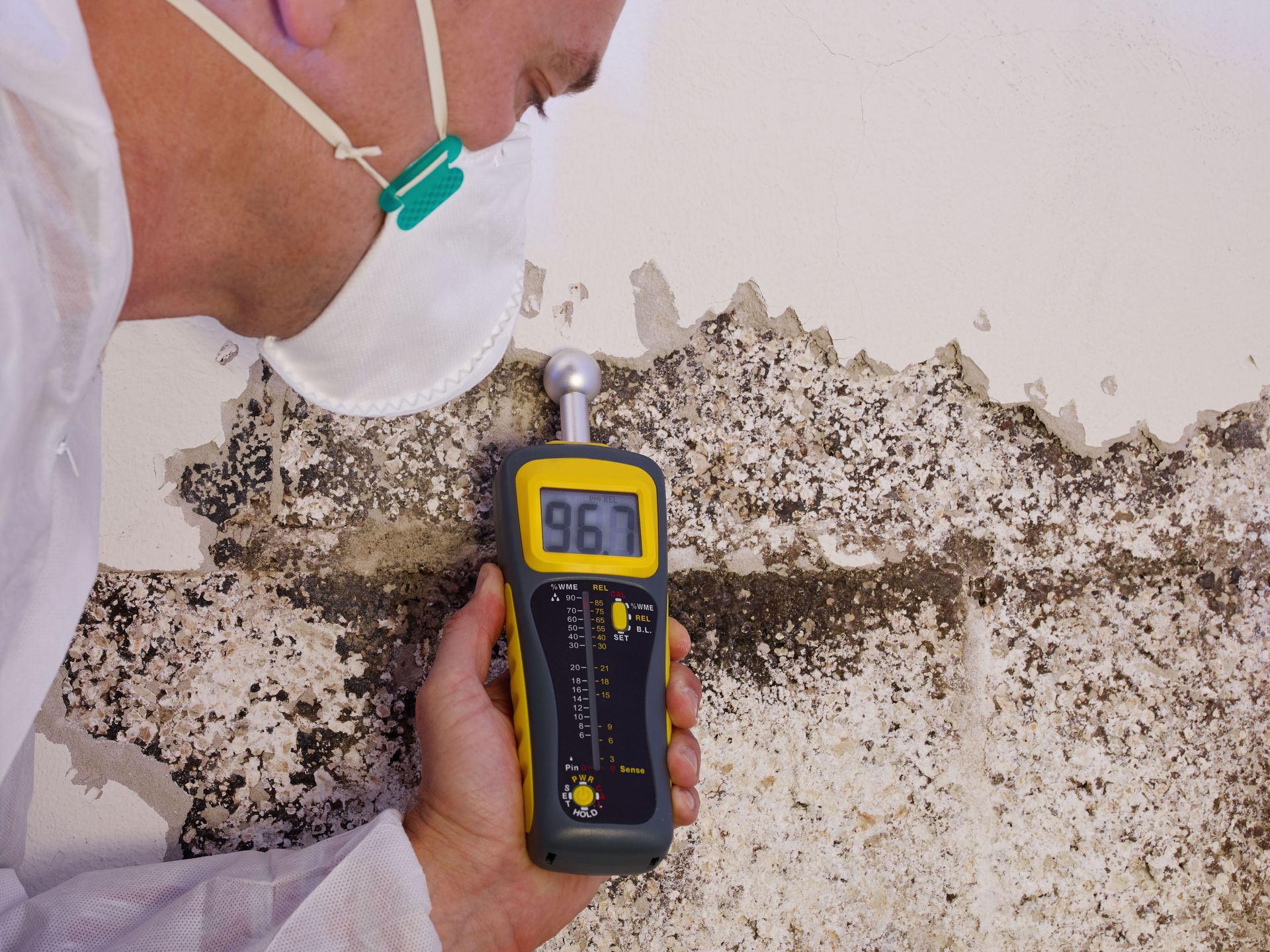
A local mold inspection can help determine whether moisture conditions exist behind the visible surfaces. ASAP Environmental Inc uses moisture assessments along with visual evaluation and other testing methods to investigate conditions that may support hidden mold growth.
Condensation Can Create Moisture Inside Wall Cavities
Not every hidden mold problem begins with a leaking pipe. Condensation can occur when warm, humid air reaches a cooler surface. Exterior walls, poorly insulated areas, basements, and spaces around HVAC components can be especially susceptible.
If the moisture occurs inside a wall cavity, homeowners may not see it. Insulation, drywall paper, wood, and other building materials can remain damp while the visible wall surface appears dry.
Humidity can contribute to the same problem. Bathrooms, kitchens, basements, and laundry rooms need effective ventilation so humid air does not remain trapped. Enclosed areas may otherwise stay damp enough to support mold growth.
Finding the source matters because cleaning an exposed patch of mold will not solve an ongoing condensation or humidity problem behind the wall.
Water Can Become Trapped Beneath Flooring
Flooring can conceal moisture just as effectively as walls. Water from an overflowing appliance, refrigerator line, dishwasher, toilet, sink, or plumbing pipe may travel beneath finished flooring and spread across the subfloor.
Water may move beneath vinyl, laminate, tile, carpet, or engineered flooring without remaining visible. If the subfloor or padding stays damp, mold can develop where homeowners cannot see it.
Warning signs can include warped flooring, loose tiles, staining, soft areas, unexplained odors, or changes in the way a floor feels underfoot. These signs can have causes other than mold, but they are worth investigating when moisture may be involved.
After a significant leak or overflow, drying only the visible surface may not be enough. The materials beneath it also need to be evaluated for retained moisture.
Basements and Ground-Level Floors Face Additional Moisture Risks
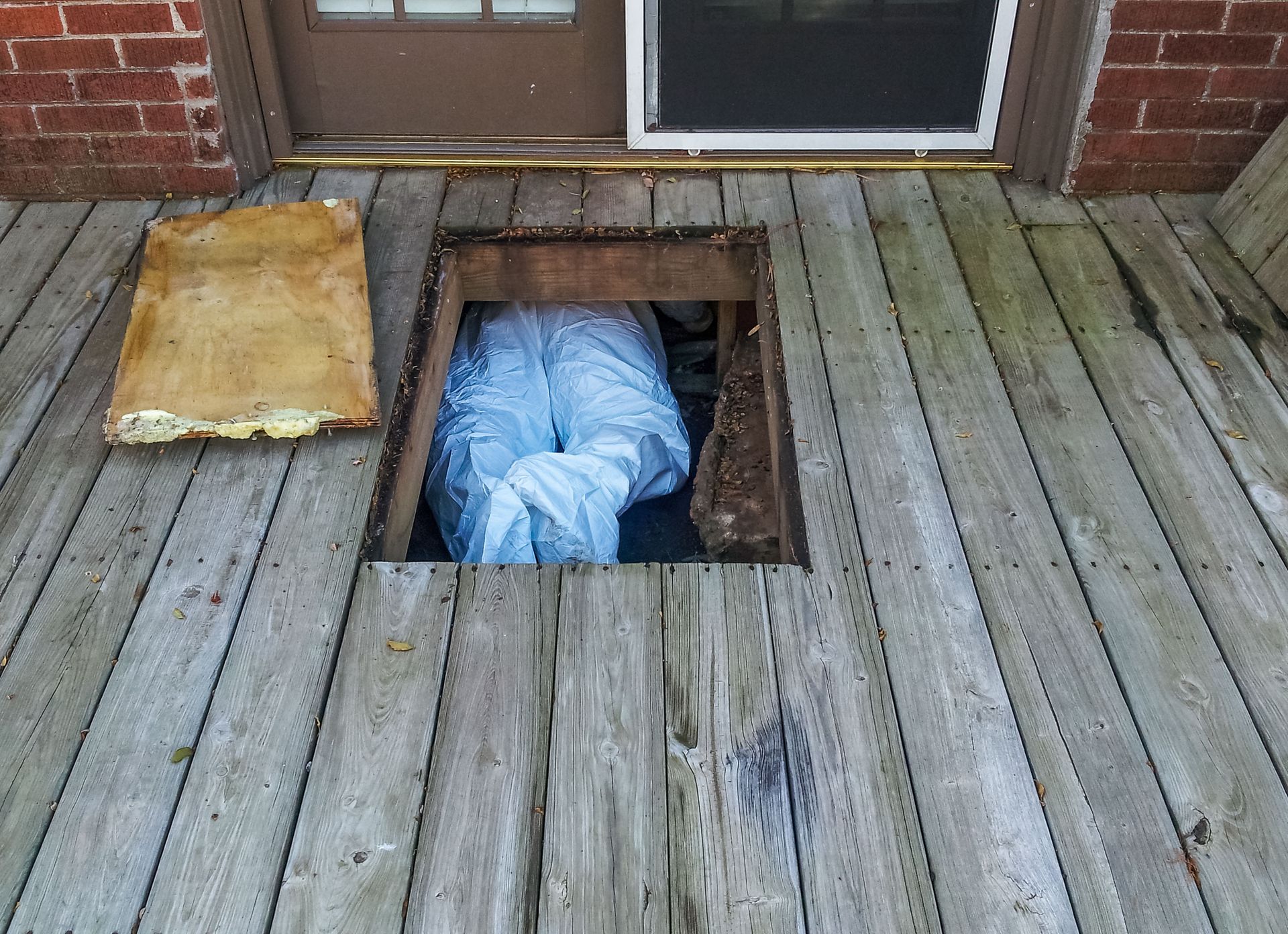
Below-grade and ground-level areas can face moisture from outside the plumbing system. Water can enter through foundation cracks, poor drainage, groundwater pressure, storm events, or other pathways around the building envelope. Basements also tend to have less airflow than upper levels, allowing damp conditions to persist.
This Old House notes that basements commonly provide several conditions mold needs, including moisture, moderate temperatures, and organic materials. Drywall, carpeting, fabric, wood, and ceiling materials can all provide surfaces on which mold can grow when they remain damp.
In Worcester and throughout Massachusetts, seasonal rain, snow, humid weather, and aging building materials can all make moisture management important. Scheduling a local mold inspection after recurring water intrusion can help identify conditions that are not apparent from a quick visual check.
Flooring and Drywall Can Hide the Extent of a Problem
Hidden mold can be difficult to evaluate because the visible area does not always show the full extent of the moisture. A small drywall stain may correspond with a larger damp area inside the cavity, while intact flooring may conceal water beneath it.
Porous materials can absorb and retain moisture. Drywall paper, wood, carpet backing, and insulation may stay damp after the surface appears dry. That hidden moisture is what allows mold growth to continue.
Homeowners should avoid opening walls or pulling up flooring solely to search for mold without understanding the source of the moisture. Disturbing affected materials can spread dust and spores through the space. A professional assessment can help determine where further investigation is warranted.
Musty Odors Can Be an Early Warning Sign
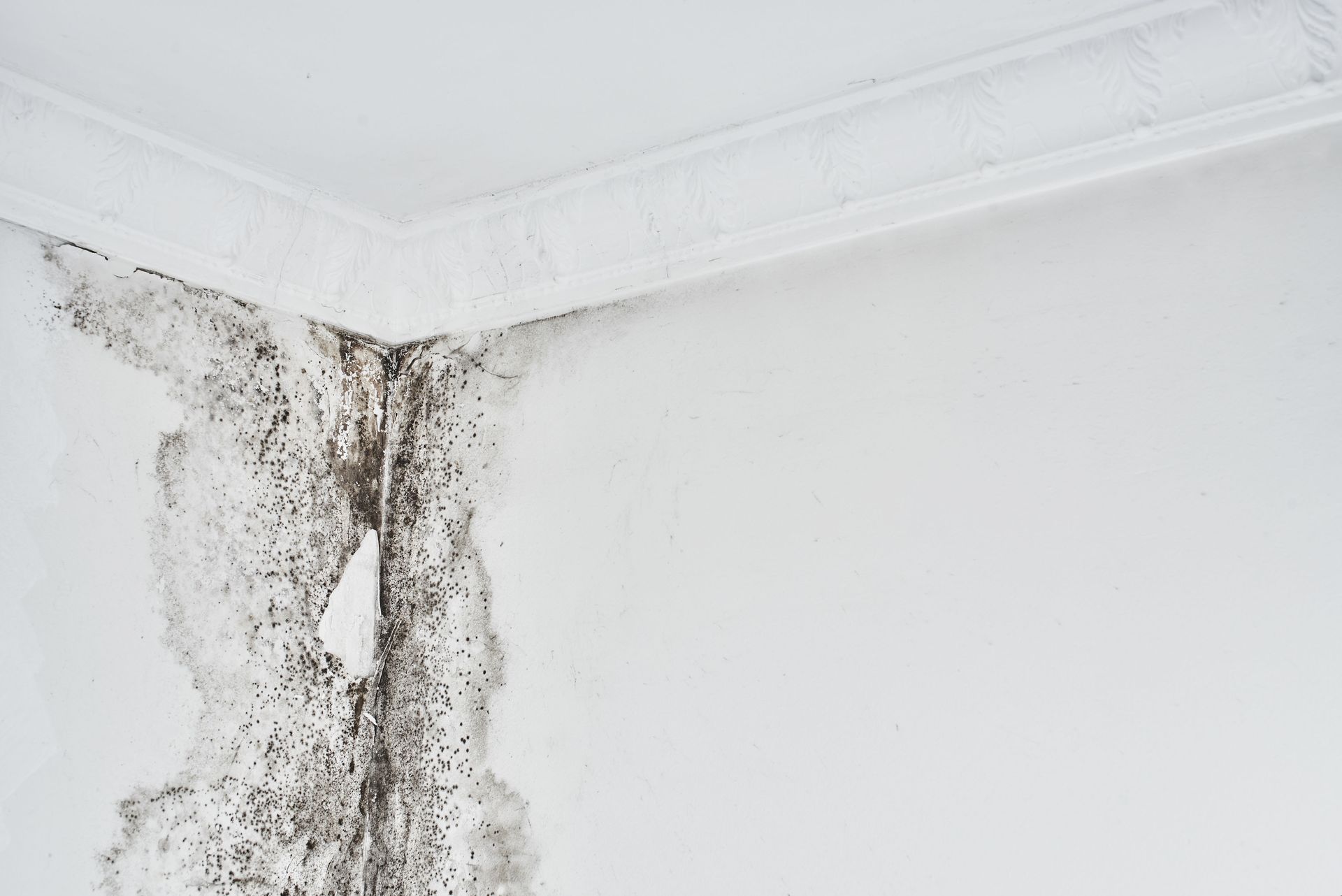
Visible mold is not always the first sign of a hidden problem. Persistent musty or earthy odors can indicate microbial growth or ongoing dampness nearby, especially around closets, basements, walls, or floors.
Other clues can include recurring water stains, peeling paint, swollen trim, warped flooring, unexplained dampness, or a history of leaks or flooding. None of these signs proves that mold is present, but they can justify closer investigation.
ASAP Environmental Inc notes that mold and water damage can hide behind walls and that odors are often one of the first signs property owners notice. Its Worcester mold inspection services are designed to help identify both mold concerns and the moisture conditions contributing to them.
Professional Testing Can Look Beyond What Is Visible
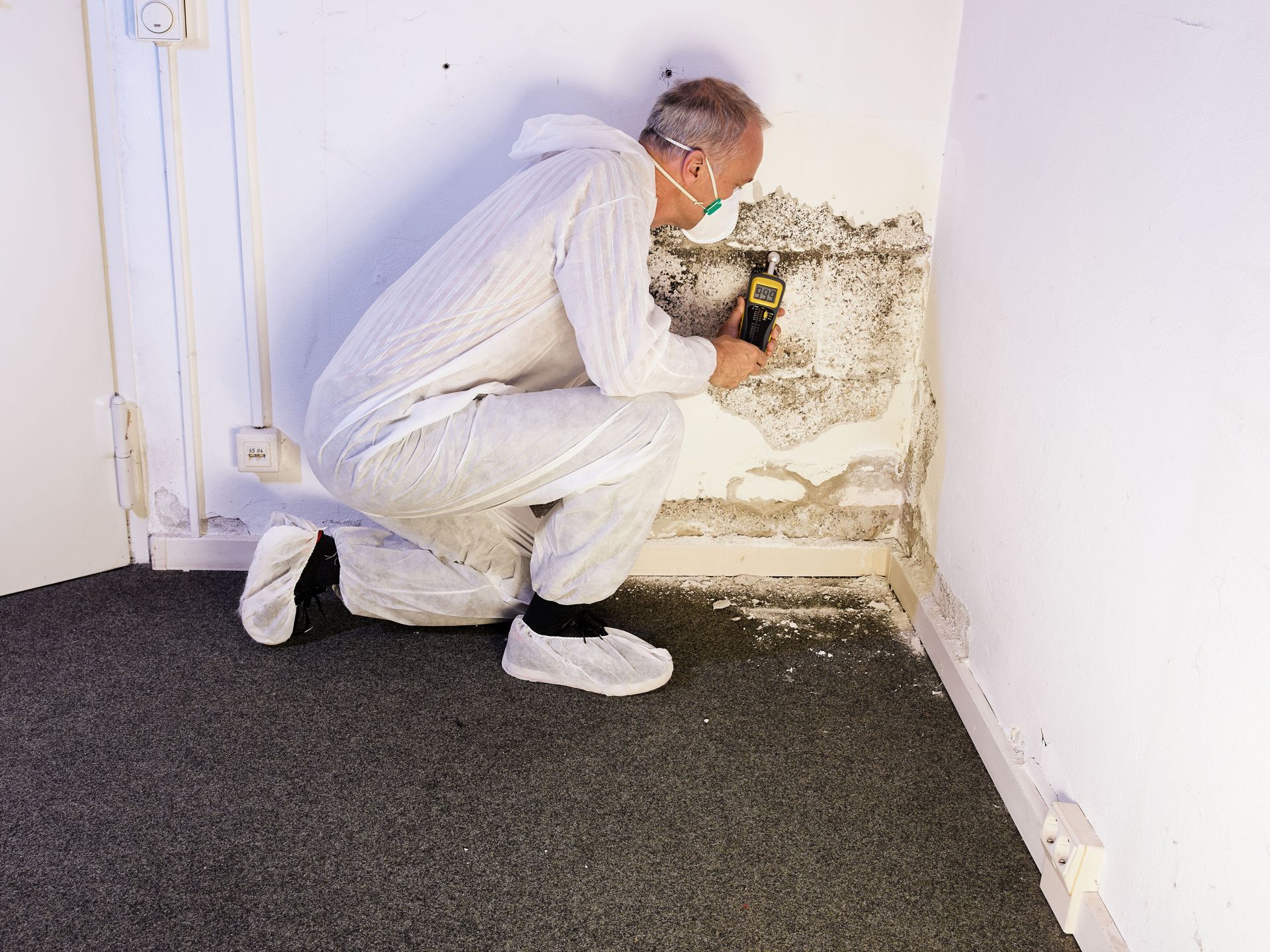
A professional mold inspection does more than look for visible growth. ASAP Environmental Inc describes its process as including visual inspection, air-quality sampling, microscopic analysis, and moisture assessment. These methods can provide additional information when mold may be concealed inside the building.
Moisture assessment is especially important because finding mold without identifying the water source leaves the underlying condition unresolved. Inspectors can look for patterns that may point to plumbing leaks, water intrusion, condensation, or elevated humidity.
Air and microscopic testing may also help evaluate conditions when visible evidence is limited. ASAP Environmental states that mold inspection results may be available as early as the next business day, after which the team can discuss findings and potential next steps.
A local mold inspection is particularly useful when homeowners suspect a hidden problem but cannot determine where it is originating.
Addressing the Moisture Source Is Essential
Mold control begins with moisture control. If a leak, drainage issue, condensation problem, or humidity source continues, mold can return even after affected materials are cleaned or removed.
The response depends on the cause. A plumbing leak requires a different solution from foundation water intrusion, roof damage, poor ventilation, or elevated humidity. A local mold inspection can help property owners identify which conditions need attention before remediation or repairs begin.
Property owners should respond promptly to major leaks and flooding because materials that remain wet create more opportunity for mold growth.
Schedule a Local Mold Inspection for Hidden Moisture Concerns
Mold behind walls and under flooring can develop because enclosed spaces conceal the moisture it needs to grow. Plumbing leaks, condensation, flooding, foundation moisture, and poor ventilation can all leave drywall, framing, insulation, carpet, and subflooring damp without immediately producing visible mold.
If you notice persistent musty odors, water stains, warped flooring, recurring dampness, or a history of hidden leaks, contact ASAP Environmental Inc for a local mold inspection in Worcester, MA. The locally owned, licensed and insured company has completed more than 35,000 environmental inspections since 1993 and provides professional mold inspections, moisture assessments, air-quality sampling, and microscopic analysis. Call for a free estimate and get clearer information about what may be happening behind the surfaces of your property.

Share On: