How Lead Paint Renovation Services Bring Life Back to Historical Communities
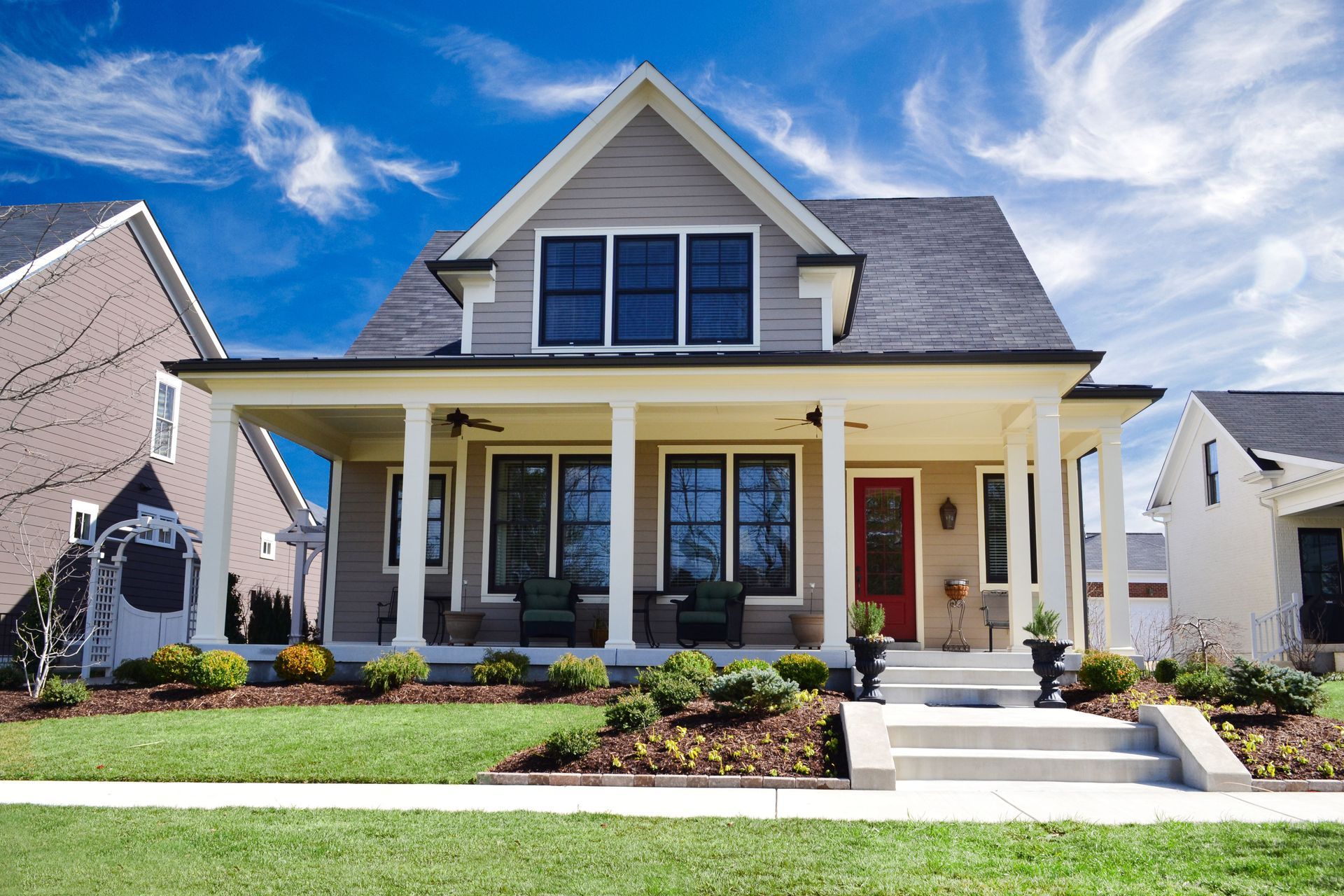
Historical neighborhoods carry stories that connect generations, preserve craftsmanship, and maintain a sense of identity within communities. However, many of these older properties also contain materials that require careful handling during restoration projects. Today's lead paint renovation services play an important role in helping property owners preserve aging structures while creating safer living and working environments.
Across the country, aging homes continue to shape the character of established neighborhoods. According to ComfyLiving, more than 50% of homes throughout the United States were built before 1980, meaning many properties may still contain layers of older lead-based paint. Restoring these spaces requires thoughtful planning, proper inspections, and adherence to federal renovation standards designed to reduce the spread of hazardous lead dust during construction and repair work.
Preserving the Character of Older Neighborhoods
Why Historical Properties Require Specialized Care
Older homes often contain unique architectural details that cannot easily be replicated in modern construction. Decorative trim, original woodwork, plaster walls, and historic exterior finishes contribute to the charm that makes these communities valuable. During renovation work, disturbing painted surfaces without proper containment procedures can release hazardous particles into the surrounding environment. This is why lead paint renovation services are essential when restoring properties built before federal lead paint restrictions were established.
Certified renovation professionals understand how to work within Environmental Protection Agency renovation guidelines while preserving the original integrity of historical structures. Projects involving sanding, demolition, scraping, or window replacement frequently trigger lead-safe requirements under the EPA Renovation, Repair, and Painting Rule. These procedures help reduce contamination risks while allowing renovation work to proceed more safely and efficiently.
Historical communities also benefit when restoration projects are approached with long-term preservation in mind. Rather than removing original materials unnecessarily, trained professionals can evaluate which surfaces should be repaired, stabilized, or carefully replaced. This balanced approach supports both community revitalization and occupant safety.
The Importance of Early Lead Inspections
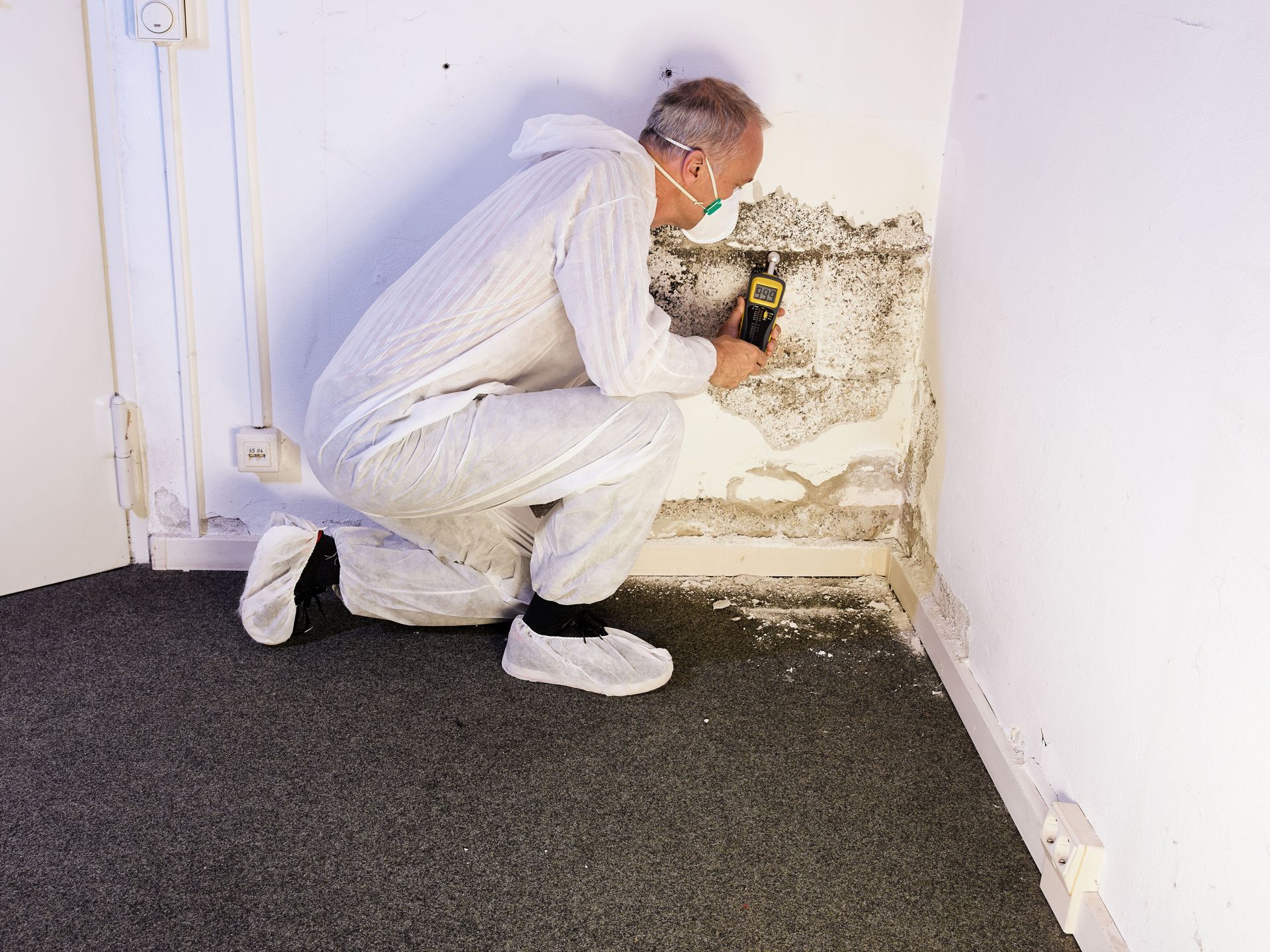
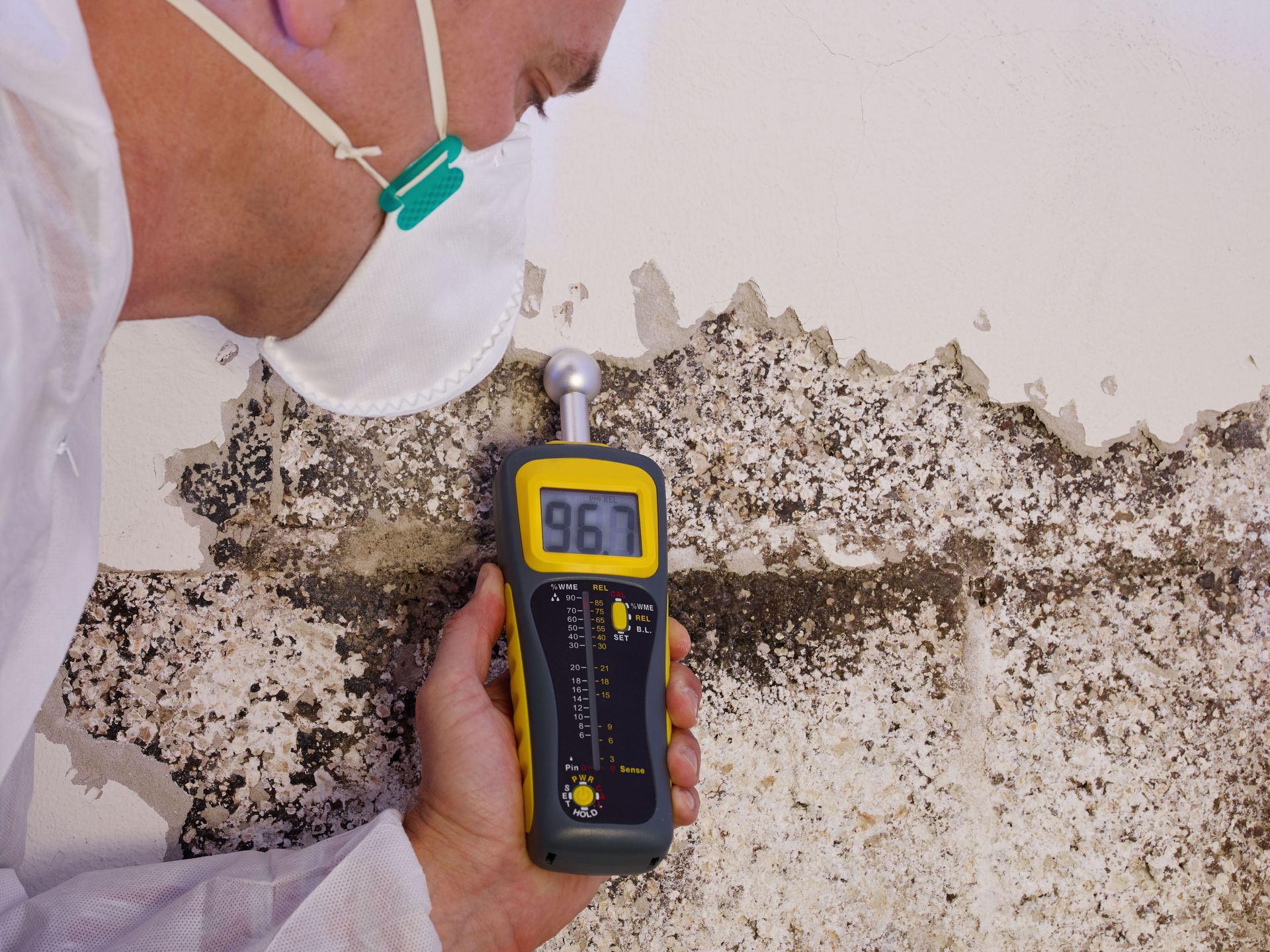
Before renovation work begins, property owners should understand whether lead-based paint is present within the structure. Early inspections help identify problem areas before contractors disturb painted surfaces that may release dangerous dust into living spaces. Lead paint renovation services often begin with comprehensive evaluations that document the condition of painted materials throughout the property.
Professional inspections provide clarity regarding where lead hazards may exist, including high-friction areas such as windows, door frames, stair railings, and baseboards. Exterior components like porches, siding, and trim can also contain deteriorating coatings that require special handling during repairs. Identifying these conditions in advance allows property owners to prepare budgets, timelines, and renovation plans more accurately.
Planning ahead can also help minimize costly interruptions during construction projects. If lead hazards are discovered after demolition or repair work has already started, projects may face delays while additional containment and cleanup procedures are implemented. Scheduling inspections early supports smoother project coordination and better communication between contractors, occupants, and property managers.
Understanding Renovation Compliance and Safety Standards
How the EPA RRP Rule Protects Occupants
Federal regulations establish strict standards for renovation work involving older painted surfaces. The EPA Renovation, Repair, and Painting Rule applies to projects that disturb more than six square feet of interior painted surfaces per room or more than 20 square feet of exterior painted surfaces in homes built before 1978. Lead paint renovation services help property owners comply with these requirements while reducing exposure risks during construction activities.
The rule requires certified contractors to follow specific lead-safe work practices designed to control dust and debris. These practices may include sealing off work areas, minimizing dust generation, using specialized cleanup procedures, and properly disposing of contaminated materials. Contractors must also provide educational materials to occupants before work begins so residents understand the potential risks associated with renovation activities.
Compliance is especially important because violations can result in significant financial penalties and project complications. Property owners, landlords, and contractors all share responsibilities under federal and state regulations. Working with certified professionals helps ensure projects remain compliant from the initial inspection through final cleanup.
Preventing the Spread of Lead Dust During Renovation
Lead dust is often invisible, making it one of the most concerning hazards associated with older property renovations. Activities such as drilling, sanding, cutting, and demolition can release microscopic particles that settle throughout the home if proper precautions are not taken. Expert lead paint renovation services focus heavily on controlling dust migration during every phase of the project.
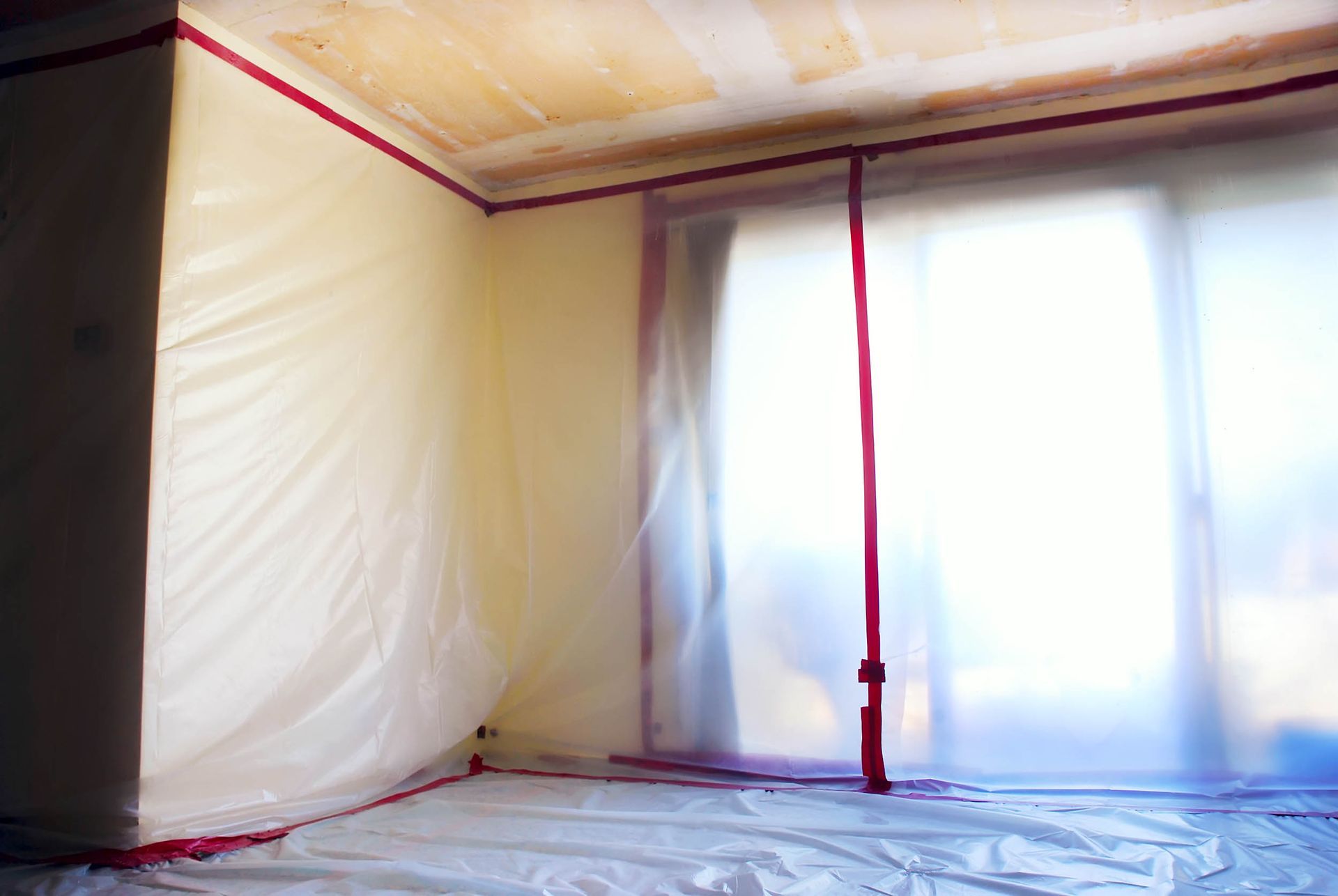
Containment barriers help isolate renovation zones from occupied areas of the property. Protective coverings may be used on floors, furniture, vents, and entryways to reduce contamination risks. Contractors also rely on specialized cleaning methods to remove hazardous particles before residents return to the space.
Without proper containment, lead dust can travel beyond the immediate work area and remain on surfaces long after renovations are completed. This creates ongoing exposure risks for children, pregnant individuals, workers, and tenants. Careful preparation and cleanup procedures are essential for maintaining healthier indoor environments during restoration projects.
Why Professional Evaluations Matter Before Construction
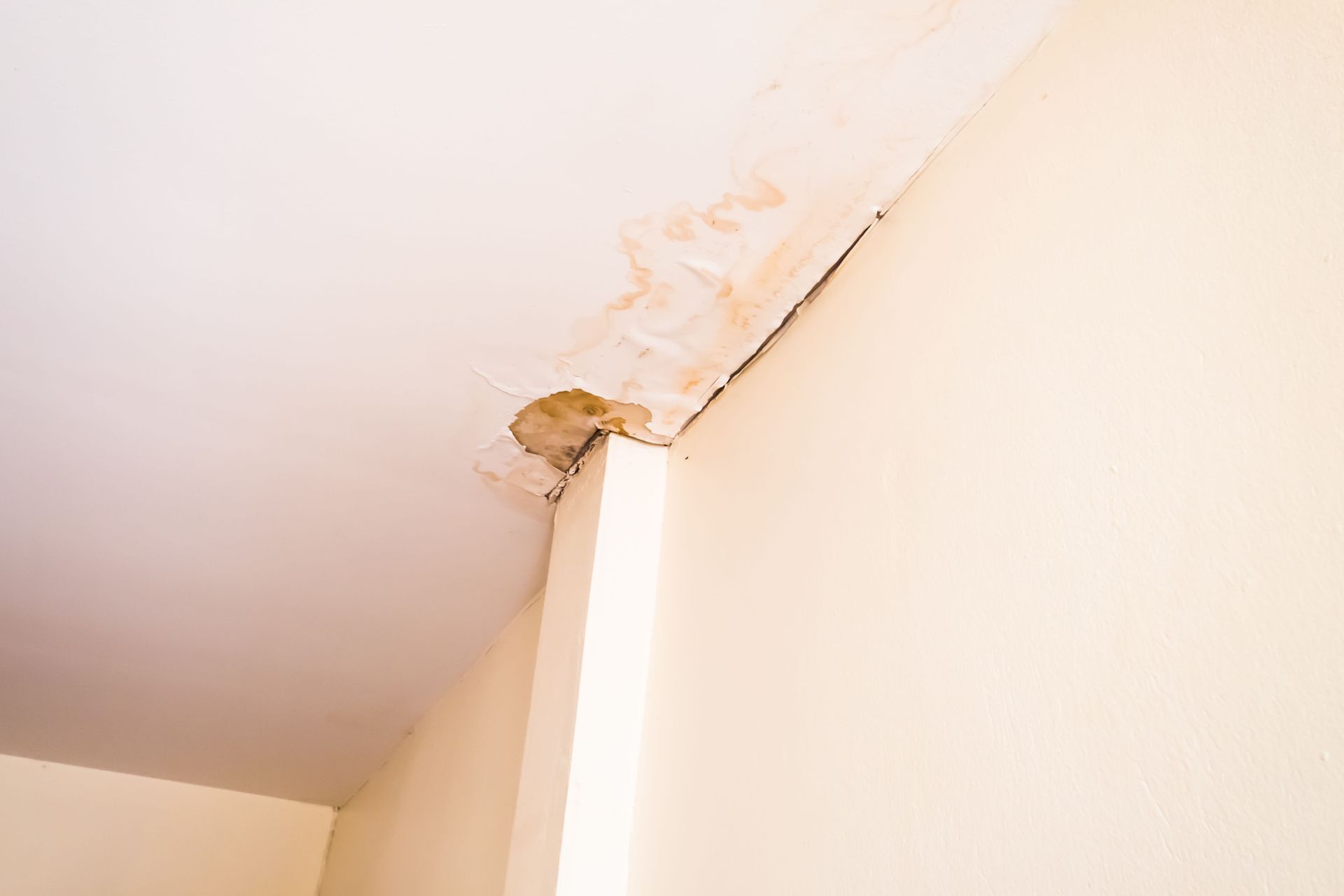
Property owners sometimes underestimate how widespread lead hazards may be within older structures. Layers of newer paint can conceal deteriorating lead-based coatings underneath, making visual inspections alone unreliable. Professional evaluations provide more accurate information regarding which surfaces may require special handling during renovation work.
Certified inspectors use specialized testing methods to determine whether lead is present throughout the property. Comprehensive evaluations often include assessments of painted surfaces, dust samples, and areas prone to deterioration. This information allows contractors to develop safer renovation strategies tailored to the specific conditions of the structure.
Professional assessments also help property owners avoid unnecessary work disruptions. Renovation teams can coordinate containment plans, project sequencing, and material handling requirements more effectively when hazards are identified in advance. This level of preparation supports safer, more predictable construction timelines while reducing unexpected costs.
Bringing Long-Term Value Back to Aging Properties
Protecting Residents Through Proactive Planning
Successful restoration projects involve more than repairing cosmetic damage. They also require careful consideration of how renovation activities may affect the people living or working within the building. Professional lead paint renovation services help property owners address hazards before they become larger health and safety concerns.
Proactive planning allows renovation teams to establish containment areas, coordinate temporary relocations if necessary, and communicate clearly with occupants throughout the project. This organized approach helps reduce stress while minimizing disruptions to daily routines. It also demonstrates a commitment to maintaining safer conditions during construction work.
Property owners who prioritize early inspections and lead-safe planning often experience smoother renovation processes overall. Addressing hazards before demolition begins reduces the likelihood of emergency project changes, costly delays, or additional remediation work later in the timeline.
Maintaining the Integrity of Historic Structures
Historical buildings often contain materials and craftsmanship that deserve careful preservation. Removing original architectural elements without proper evaluation can diminish the character and authenticity of the property. Lead paint renovation services support restoration goals by helping contractors determine how to preserve valuable features while still managing environmental concerns responsibly.
Experienced renovation teams understand the importance of balancing safety requirements with historical preservation standards. Stabilizing existing painted surfaces may sometimes be more appropriate than complete removal, particularly when original trim, molding, or decorative finishes remain structurally sound. Careful restoration planning helps maintain the visual identity that makes historic communities unique.
Preserving older structures also contributes to broader community continuity. Historical homes and buildings provide a physical connection to local history that newer developments cannot replicate. Responsible renovation practices allow these properties to remain functional and relevant while protecting the people who use them every day.
Historical preservation and environmental responsibility often work hand in hand. By approaching renovations carefully, communities can continue honoring their architectural heritage while reducing exposure risks associated with aging construction materials. Thoughtful restoration efforts help older neighborhoods remain vibrant parts of the communities they have served for generations. To learn more about the benefits of lead paint renovation in historical neighborhoods, reach out to ASAP Environmental Inc!
Share On: