
6 Key Signs That Professionals Use to Check for Mold
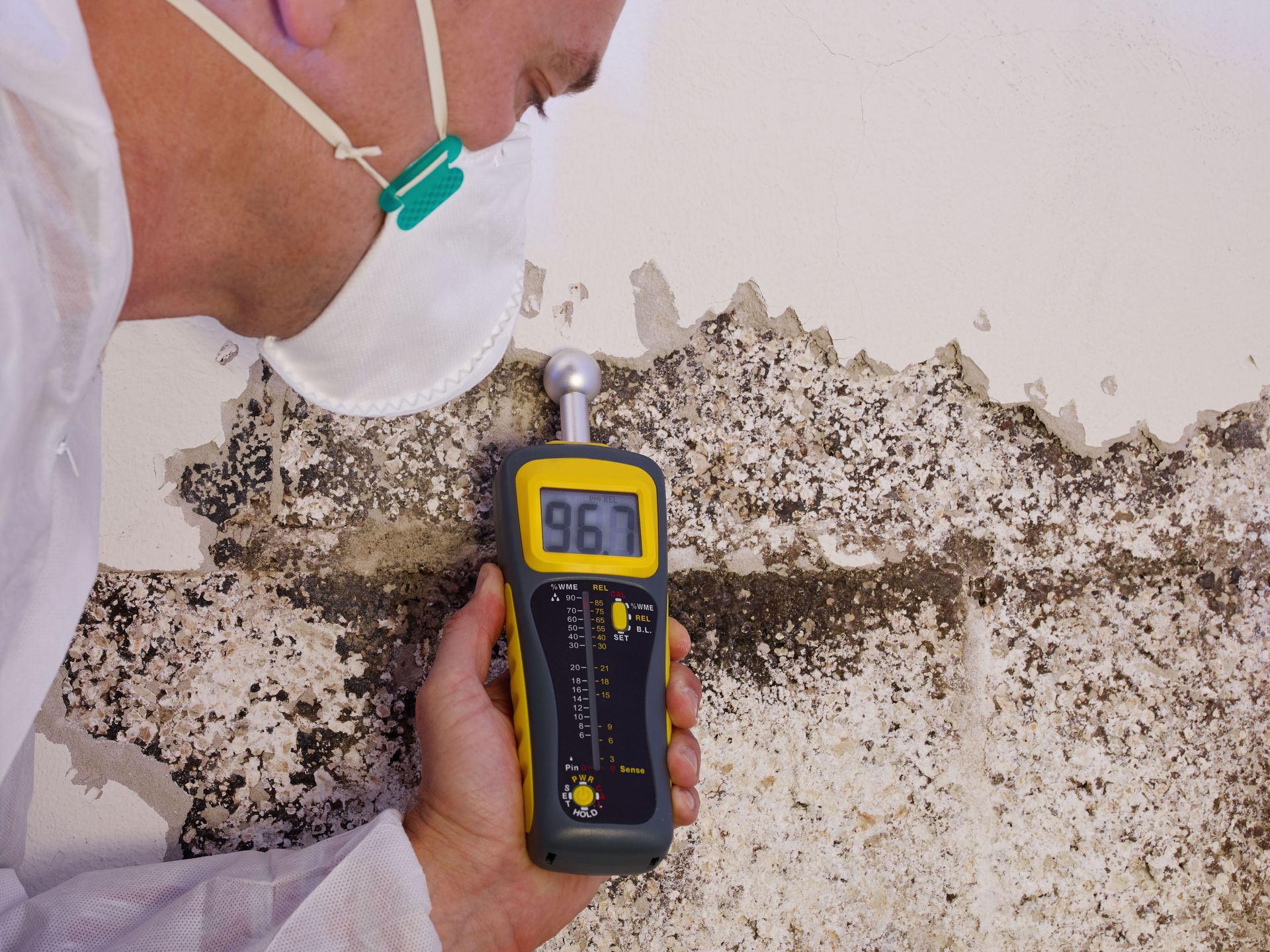
Maintaining a healthy living environment requires constant vigilance, especially regarding hidden threats that compromise both property integrity and occupant well-being. One of the most insidious problems property owners face is fungal growth, thriving in dark, damp spaces out of plain sight. Because this issue spreads rapidly before becoming visible, understanding subtle indicators of contamination is essential for proactive maintenance. When you suspect an issue, scheduling a professional evaluation is the most effective way to protect your building. A comprehensive mold inspection service evaluates the property using specialized techniques that go beyond a simple visual check. Experts know exactly where to look and what environmental factors encourage fungal proliferation. By familiarizing yourself with the primary indicators professionals look for, you can catch potential problems early and mitigate extensive damage.
1. Detecting Lingering Musty Odors
One of the first indicators professionals notice when stepping into a compromised property is a distinct, earthy scent that refuses to dissipate. Even if a room appears completely spotless, a lingering musty smell often points directly to hidden fungal growth. Spores release volatile organic compounds as they multiply, which produces this characteristic odor. During a comprehensive mold inspection service, experts pay close attention to how these smells fluctuate in different areas, particularly in basements and crawlspaces where ventilation is poor. Property owners sometimes attempt to mask these odors with air fresheners, but professionals understand that the underlying scent is a crucial diagnostic tool. If you notice a persistent smell resembling decaying leaves that returns regardless of how much you clean, it is a strong signal that moisture and fungi are interacting out of sight. Experts use their trained olfactory senses with advanced tools to trace the scent to its hidden source.
2. Identifying Historical Water Damage
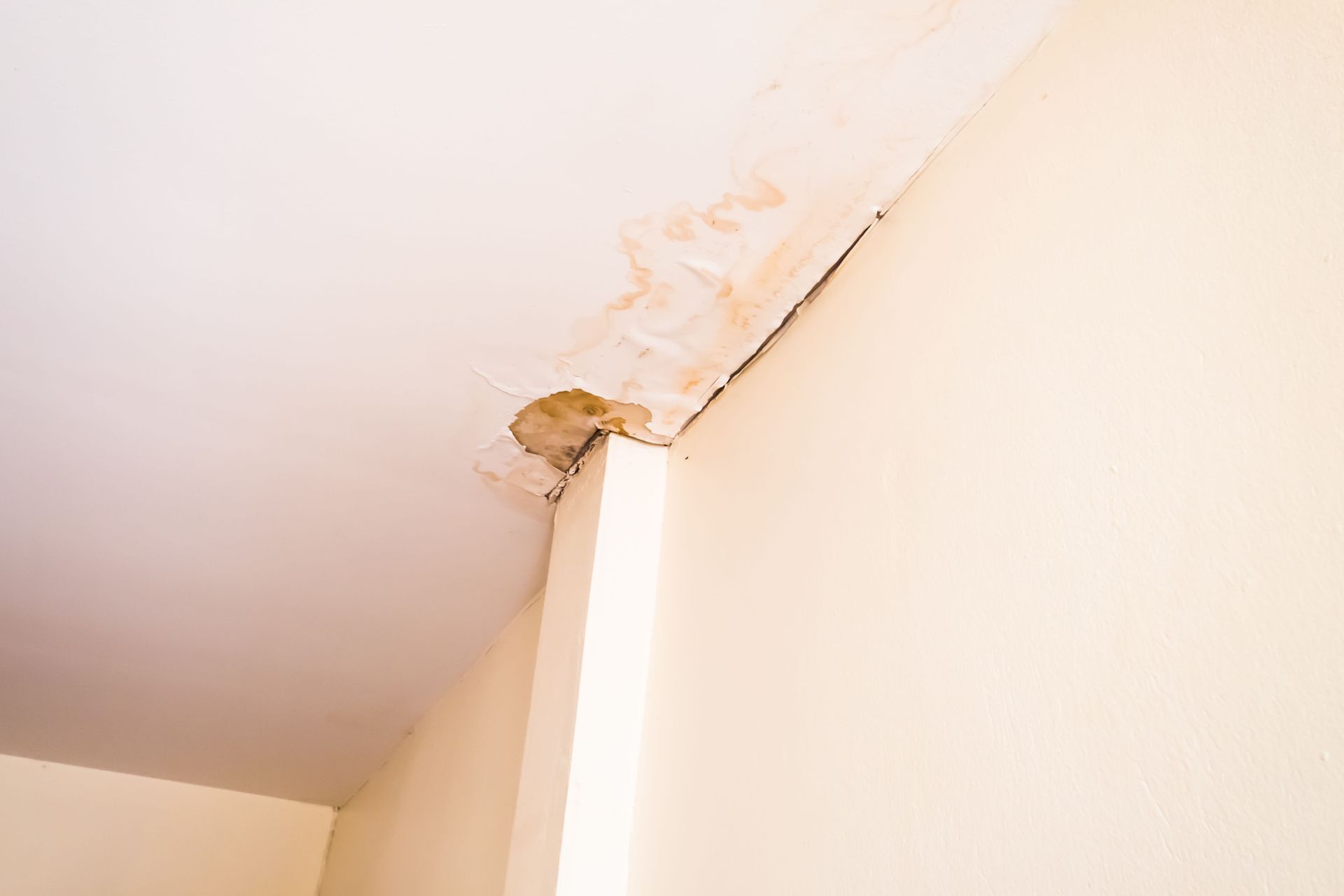
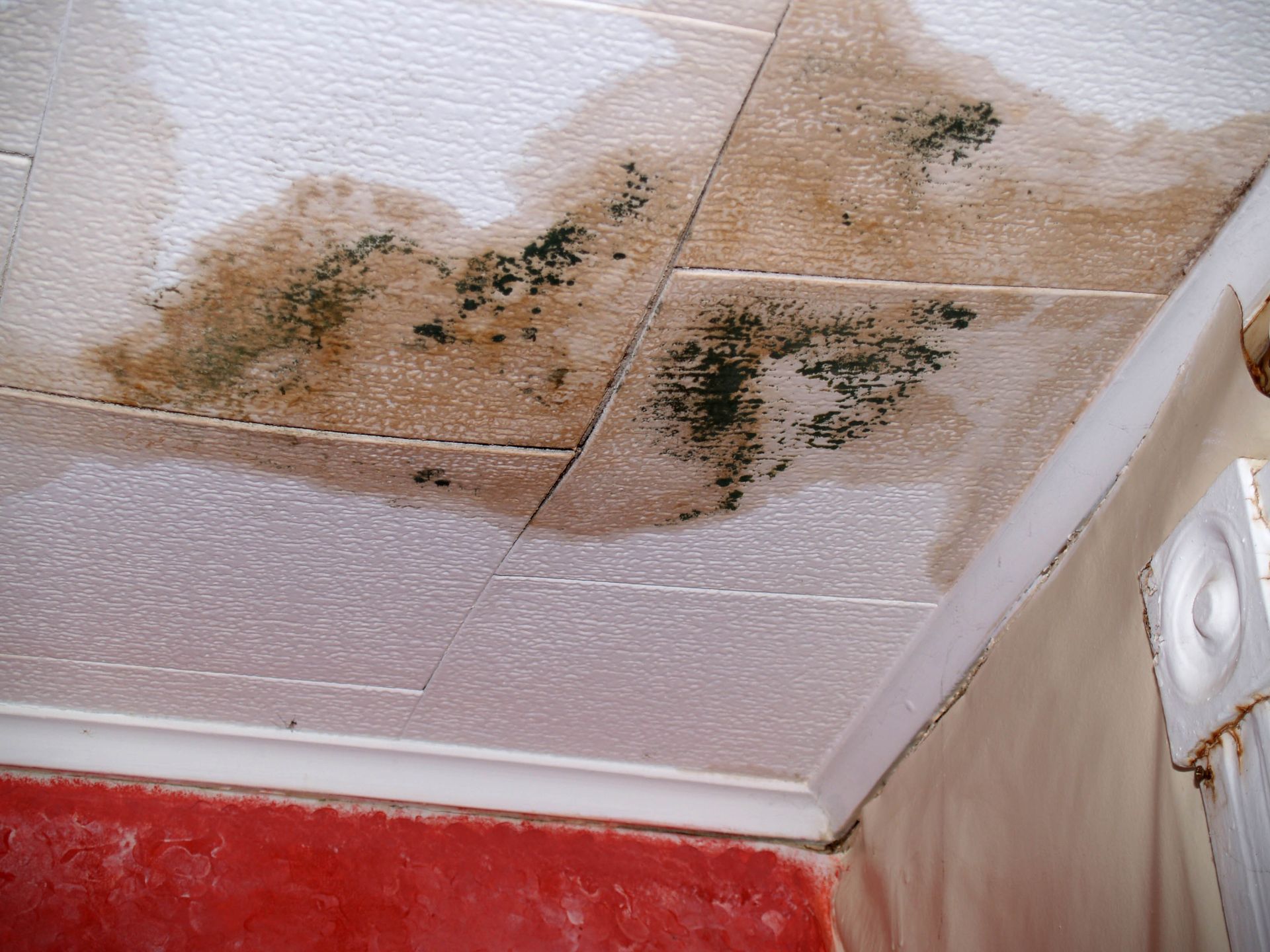
Past plumbing failures, roof leaks, and flooding events leave lasting marks that experts immediately recognize as prime real estate for future contamination. Even if a surface feels dry to the touch, historical water intrusion can trap moisture deep within building materials, creating an incubation chamber for spores. According to ComfyLiving.net, roughly 70% of residences contain some form of mold. Furthermore, about 28% of individuals possess a genetic predisposition to health issues caused by these spores. Because of this widespread prevalence and the significant health implications, professionals thoroughly investigate any signs of previous water damage, such as water stains or warped baseboards. When conducting a thorough mold inspection service, specialists look at the history of the property to determine where moisture might have traveled. By mapping out historical moisture paths, experts pinpoint the exact locations where fungal colonies are most likely to flourish unseen.
3. Recognizing Unusual Allergic Reactions
While experts primarily focus on the physical condition of the building, they also take note of the symptoms experienced by the occupants. When residents complain of sudden, unexplained allergic reactions that only seem to occur while inside the building, professionals consider this a major red flag. These symptoms often mirror seasonal allergies, including persistent sneezing and itchy eyes, but they noticeably improve when the individual leaves the premises. A professional mold inspection service takes these environmental health clues very seriously because they indicate a high concentration of airborne spores circulating through the ventilation system. Specialists will ask property owners about the timeline of their symptoms to correlate them with potential moisture events. This information helps investigators determine if the indoor air quality has been compromised. By connecting human physiological responses to specific zones, experts narrow down their search grid effectively.
4. Spotting Discoloration on Building Materials
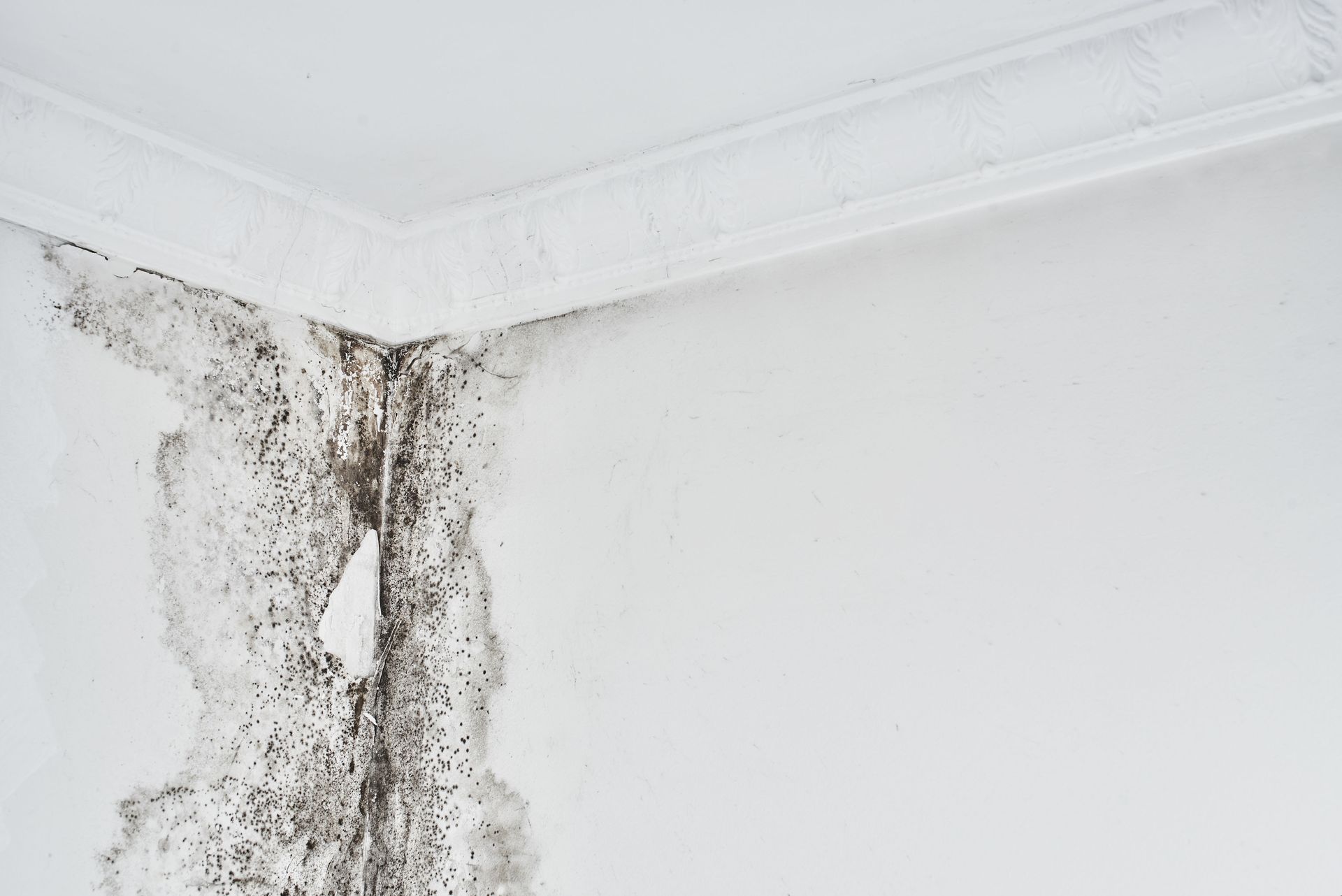
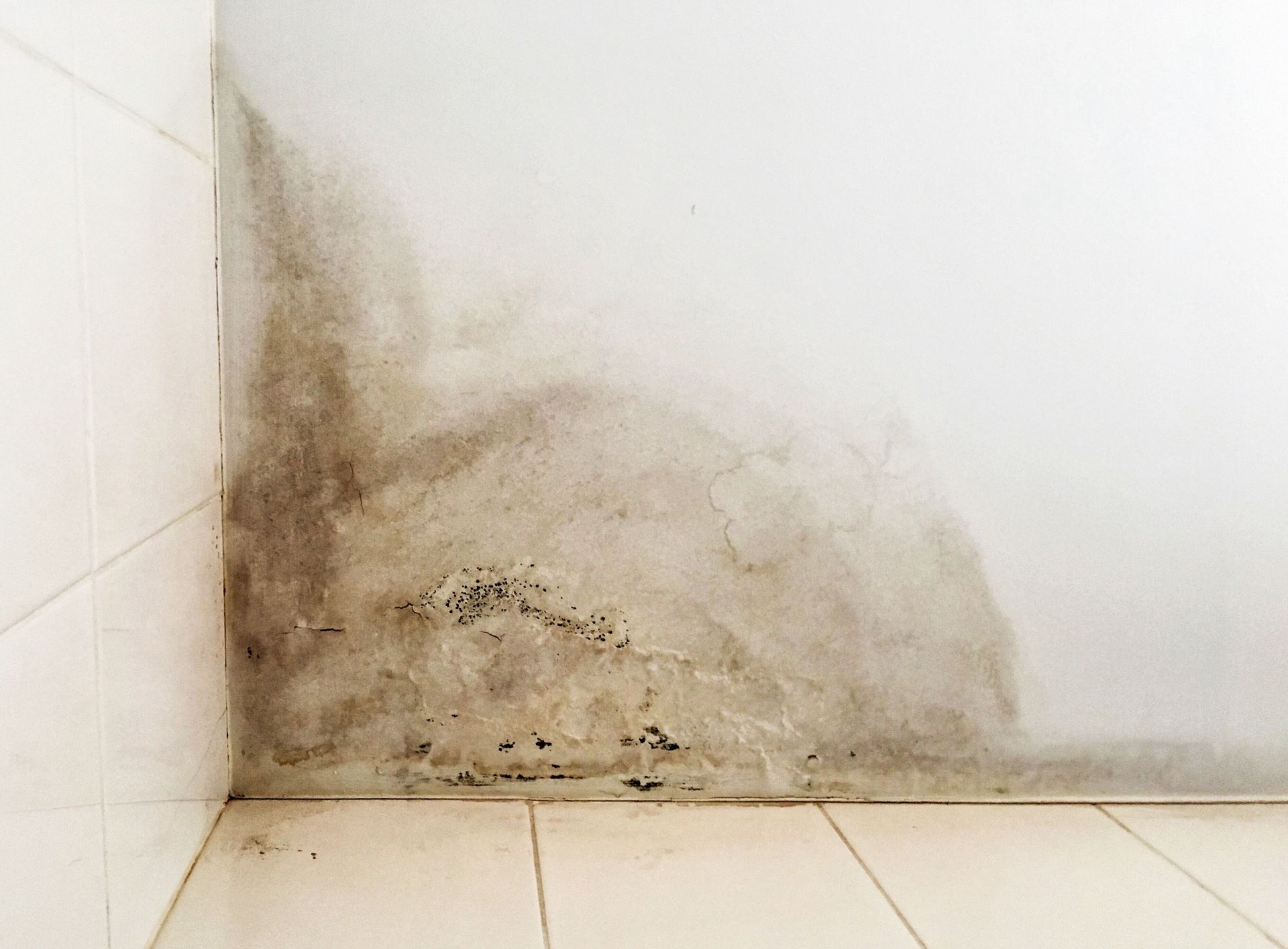
Visual anomalies on walls, ceilings, and floors are among the most direct signs that experts utilize to confirm fungal presence. However, not all growth appears as the stereotypical fuzzy black patches most people expect. Professionals know that contamination can manifest in a variety of colors and textures, including powdery white streaks, slimy green patches, or subtle orange hues along tile grout. During a detailed mold inspection service, specialists scrutinize areas with poor air circulation for any irregular discoloration that deviates from the original building materials. They carefully examine the dark corners of closets and the areas directly behind large furniture pieces. What a homeowner might dismiss as simple dirt or a scuff mark is often recognized by a trained eye as the beginning stages of a larger colony. Experts differentiate between harmless stains and active threats requiring immediate remediation. Sometimes, these subtle spots blend perfectly into patterned wallpaper or textured ceilings, making them nearly impossible for the average person to notice. Specialized lighting equipment helps inspectors reveal these hidden blemishes by illuminating microscopic spore clusters that evade natural light. Catching these minor color shifts early ensures property owners can stop the fungi from destroying the underlying drywall and framing.
5. Finding Bubbling or Peeling Paint
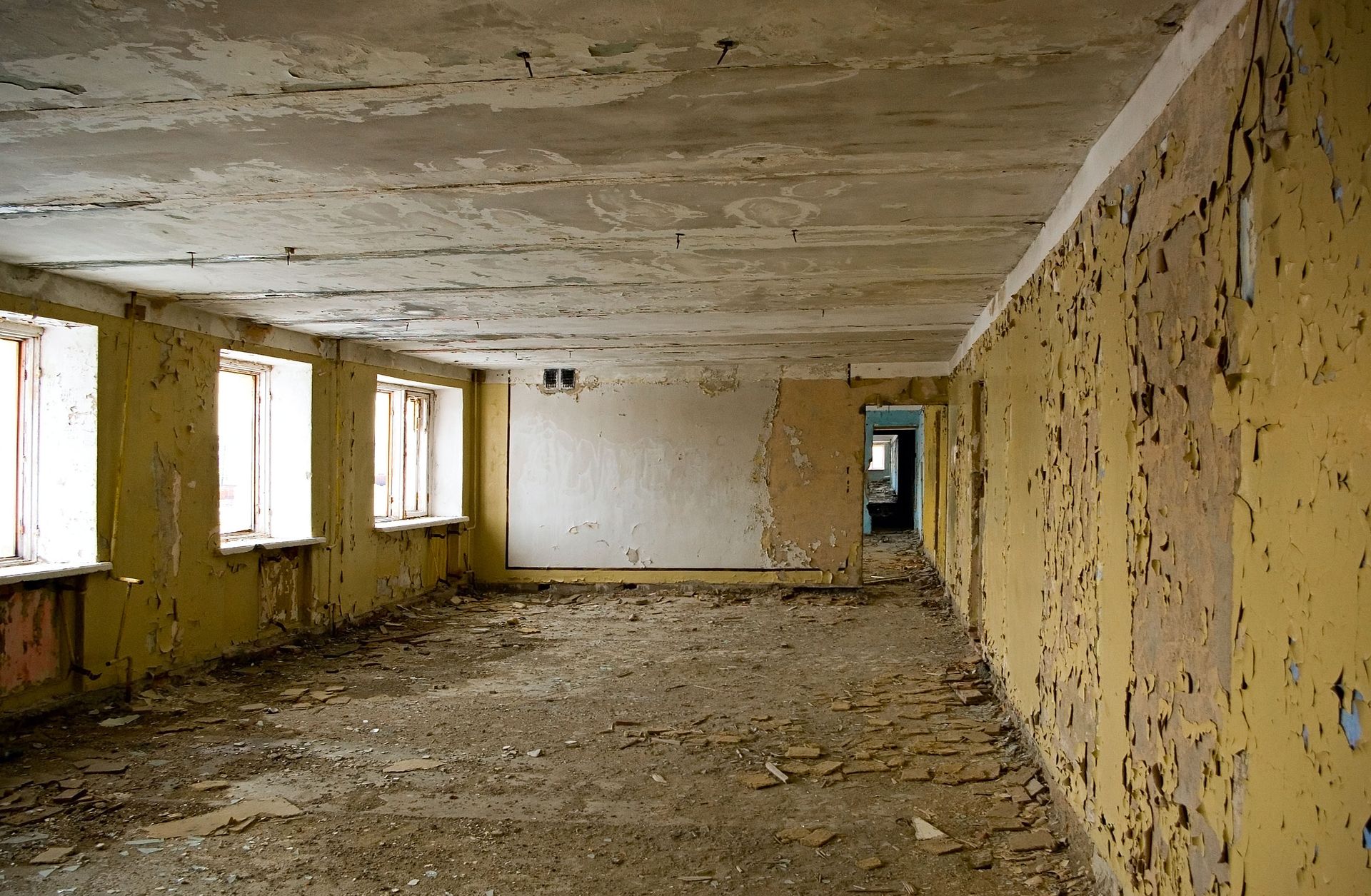
Another critical visual clue that professionals look for involves the condition of the paint and wallpaper throughout the property. When moisture infiltrates a wall assembly, it compromises the adhesion of surface coverings, causing paint to bubble, crack, or peel away from the drywall. Wallpaper may begin to curl at the seams or show signs of detachment, bubbling in the center of the strips. Water damage severely weakens the adhesive holding these decorative layers firmly against the wall. These newly formed air pockets create the perfect humid microclimate for hidden spores to rapidly multiply. Experts understand that this deterioration is rarely due to age alone; it is almost always a symptom of intrusive moisture trapped behind the surface. When executing a professional mold inspection service, technicians pay special attention to the base of walls and the areas directly beneath windows. By examining the patterns of the peeling paint, professionals can often trace the origin of the leak or condensation issue to the dark, damp cavity behind the compromised surface covering.
6. Locating Condensation Around Window Frames
The final key sign that experts monitor closely is the presence of chronic condensation, particularly around windows, exterior doors, and metal pipes. When warm, humid indoor air meets a cold surface, the resulting condensation provides a constant water source that is perfect for sustaining fungal life. Professionals examine window sills and the surrounding drywall for signs of chronic sweating. If condensation is a regular occurrence, it indicates that the property suffers from poor ventilation and high indoor humidity levels. A high-quality mold inspection service always includes a thorough check of the HVAC system to determine why the indoor air is holding so much moisture. Specialists compare exact humidity levels in different rooms to the visible condensation patterns. By identifying these micro-climates of high humidity, experts predict exactly where colonies will begin to form before they cause significant damage.
Maintaining a safe property requires paying close attention to the subtle environmental changes that indicate excessive moisture and fungal growth. From persistent earthy odors and unusual physical reactions to deteriorating paint and chronic condensation, these indicators offer vital clues about the hidden condition of your building. Recognizing these signs early is the key to preventing widespread contamination and protecting the structural materials of your property from irreversible decay. While understanding these signs is helpful, nothing replaces the expertise and advanced diagnostic capabilities of trained professionals who know exactly how to evaluate and interpret these clues. If you are ready for a thorough evaluation of your property, contact us at ASAP Environmental Inc today. We will help you identify any hidden moisture issues and ensure your indoor environment remains safe, clean, and comfortable.

Share On: