
How to Know When a Home May Contain Asbestos
Asbestos was once widely used in residential construction because of its resistance to heat, fire, chemicals, and wear. Its fibers were added to many building products, making the material common in homes constructed or renovated throughout much of the 20th century. Although asbestos use has been significantly restricted, older homes may still contain asbestos-containing materials. The material can remain in place for decades without creating an immediate problem when it is intact and undisturbed. However, damage, deterioration, or construction activity can release microscopic fibers into the air. Because asbestos cannot be reliably identified simply by looking at it, homeowners should avoid assuming that a particular material is safe or hazardous based solely on its appearance. Professional asbestos inspections can help determine whether suspected materials require further testing and management.
Where Asbestos May Be Found
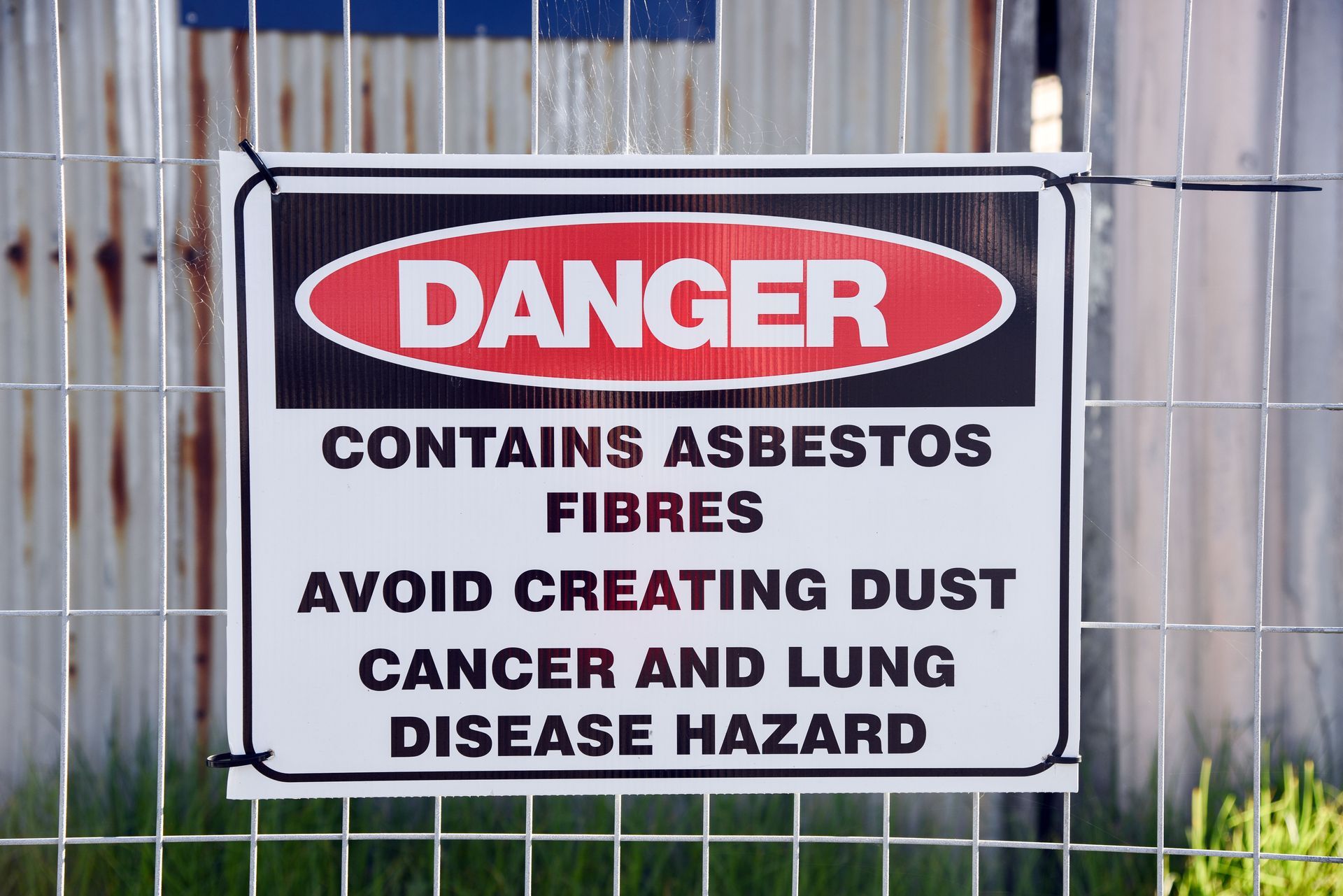
Asbestos was incorporated into a wide range of residential materials. Common locations include flooring, roofing, siding, insulation, ceilings, walls, pipes, heating systems, and certain electrical components. Floor tiles and adhesives are among the materials that may contain asbestos, particularly in older homes. Some textured ceiling finishes, including certain popcorn-style ceilings, may also contain asbestos. Roofing shingles, cement siding, pipe insulation, and insulation around furnaces or boilers are other potential sources. The material was not limited to one specific area of a house. It could be present in basements, attics, kitchens, bathrooms, garages, utility rooms, and living spaces. As a result, asbestos inspections should consider the age and construction history of the entire property rather than focusing on one suspicious material. According to Asbestos.com, approximately 90,000 people die from asbestos-related diseases globally each year. This highlights why suspected asbestos should be treated seriously, particularly when older materials are damaged or may be disturbed during construction.
Why Home Age Matters
The age of a home can provide useful context when considering the possibility of asbestos. Homes constructed during periods when asbestos was commonly used in building products have a greater possibility of containing legacy materials. However, the construction date alone cannot confirm whether asbestos is present. Materials may have been added, replaced, covered, or renovated at different points in the property's history. A newer-looking floor, wall, or ceiling does not necessarily mean that older materials underneath are asbestos-free. Renovations can also complicate identification. Previous owners may have installed new materials over older flooring, ceilings, walls, or other components. Before major construction takes place in an older home, asbestos inspections can help identify materials that may require professional evaluation.
When Further Evaluation May Be Needed
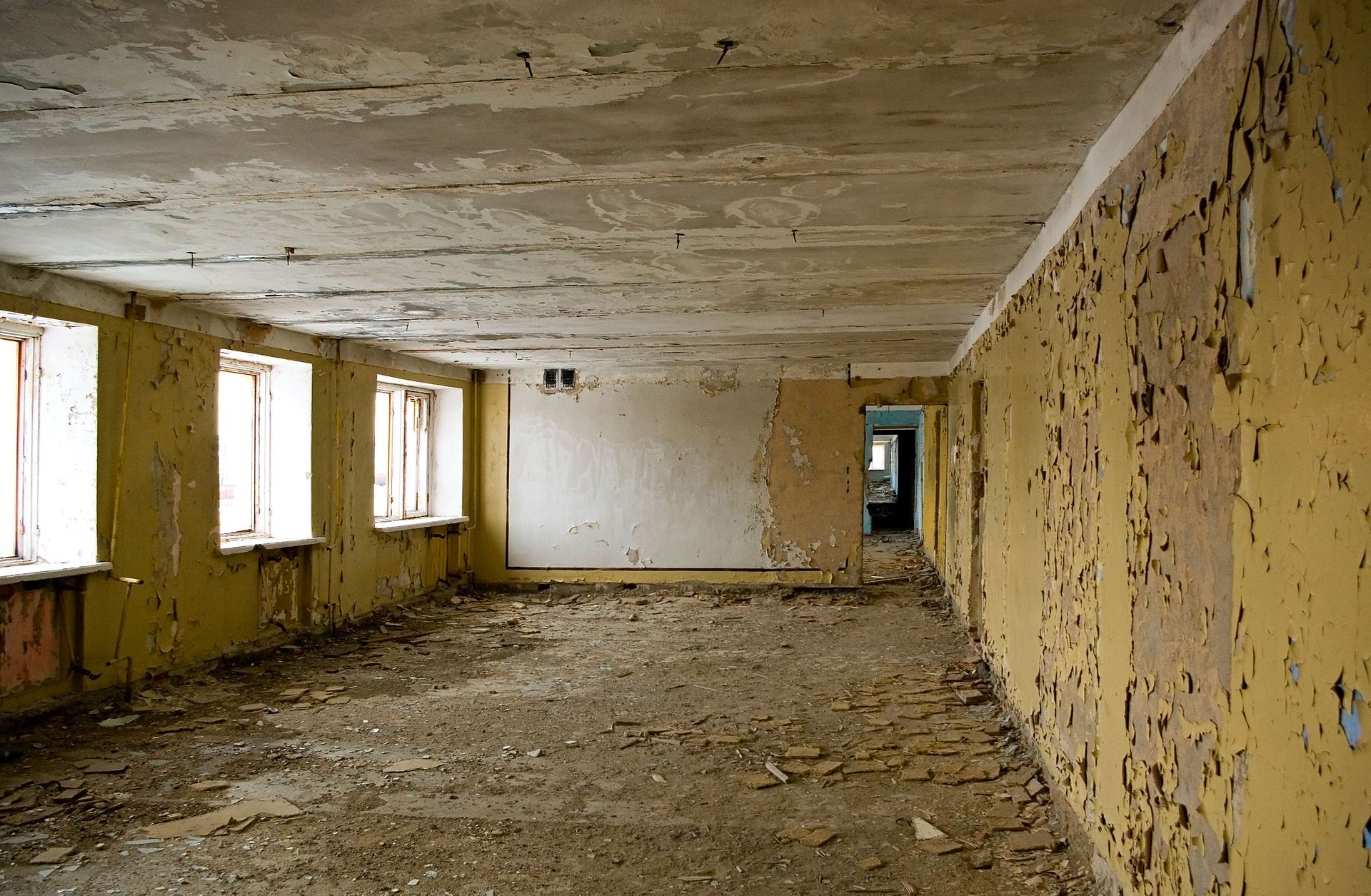
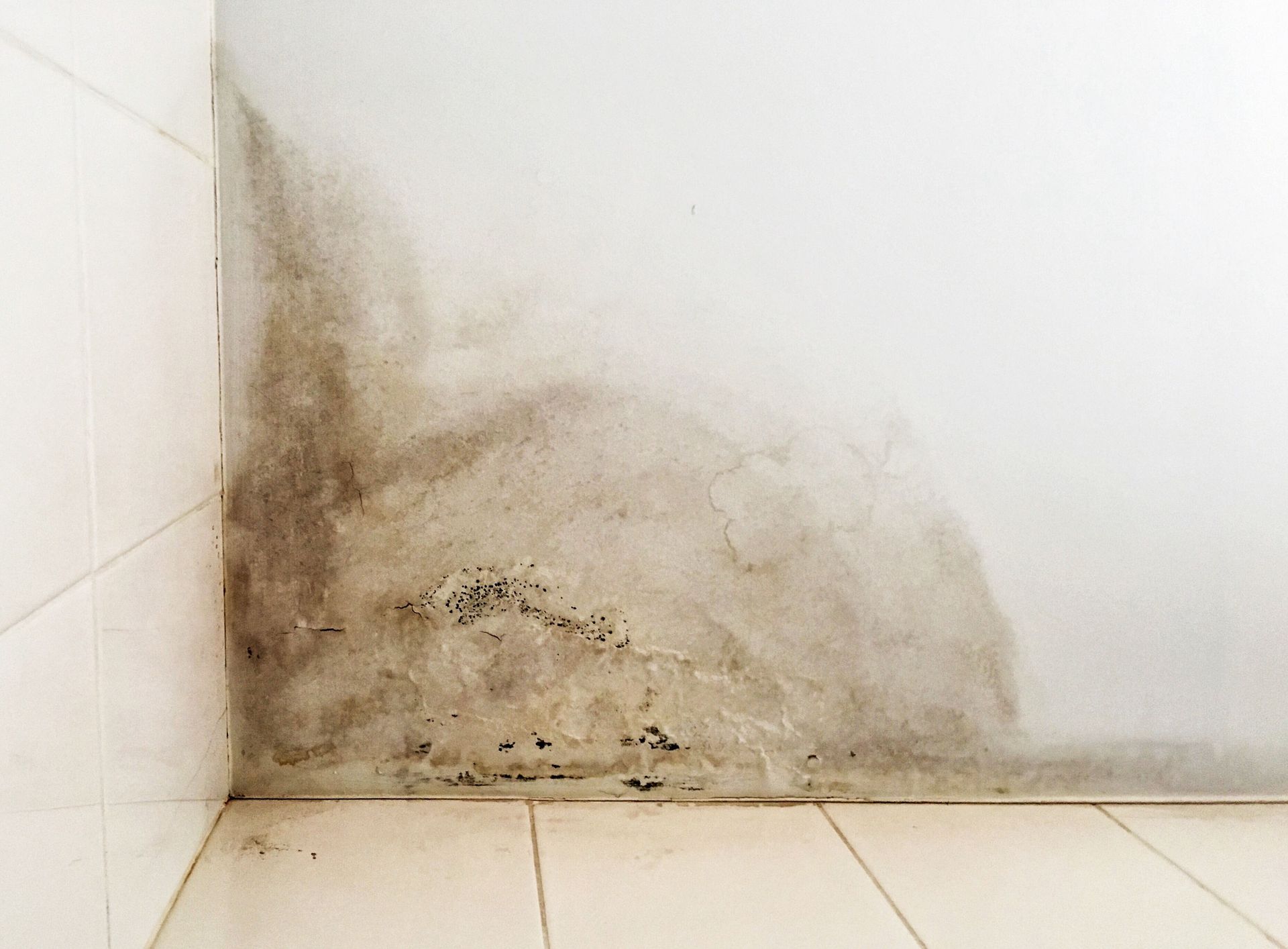
Certain materials and conditions may justify professional attention. Aging pipe insulation, deteriorating ceiling textures, older flooring, damaged siding, or deteriorating insulation can all warrant additional evaluation when found in an older property. Damage is particularly important because asbestos-containing materials can become more concerning when fibers are released. Crumbling, breaking, or deteriorating materials should not be disturbed simply to determine what they contain. Visual characteristics can provide clues, but they cannot establish the presence or absence of asbestos. Many asbestos-containing materials resemble products that do not contain asbestos. Professional asbestos inspections provide a more reliable way to evaluate suspected materials while reducing the likelihood of unnecessary disturbance.
Why Visual Identification Is Not Enough
Asbestos fibers are microscopic, and the mineral is frequently mixed with other substances during manufacturing. This means that asbestos-containing products may look almost identical to materials made without asbestos. For example, an older floor tile may appear ordinary, while the adhesive beneath it could potentially contain asbestos. Similarly, insulation or ceiling materials may not have an obvious visual feature that distinguishes them from modern alternatives. Relying on appearance can therefore create a false sense of security. Qualified professionals can determine whether materials require sampling and laboratory analysis while following appropriate safety procedures. This professional evaluation can be especially important when several generations of repairs or remodeling have changed the appearance of an older home.
Risks During Home Renovations
Renovation work can increase the importance of identifying potential asbestos-containing materials before work begins. Activities that disturb flooring, walls, ceilings, insulation, roofing, or other building components can potentially release asbestos fibers if those materials contain asbestos. This is especially relevant when remodeling older properties. Removing or altering materials without knowing what they contain can create unnecessary exposure concerns for occupants, contractors, and others who enter the area. Homeowners planning significant renovations may benefit from arranging asbestos inspections before work begins. Identifying potential asbestos-containing materials in advance gives qualified professionals an opportunity to determine the appropriate next steps. This can also help contractors understand which areas may require special precautions before renovation activities are scheduled.
The Role of Professional Inspections
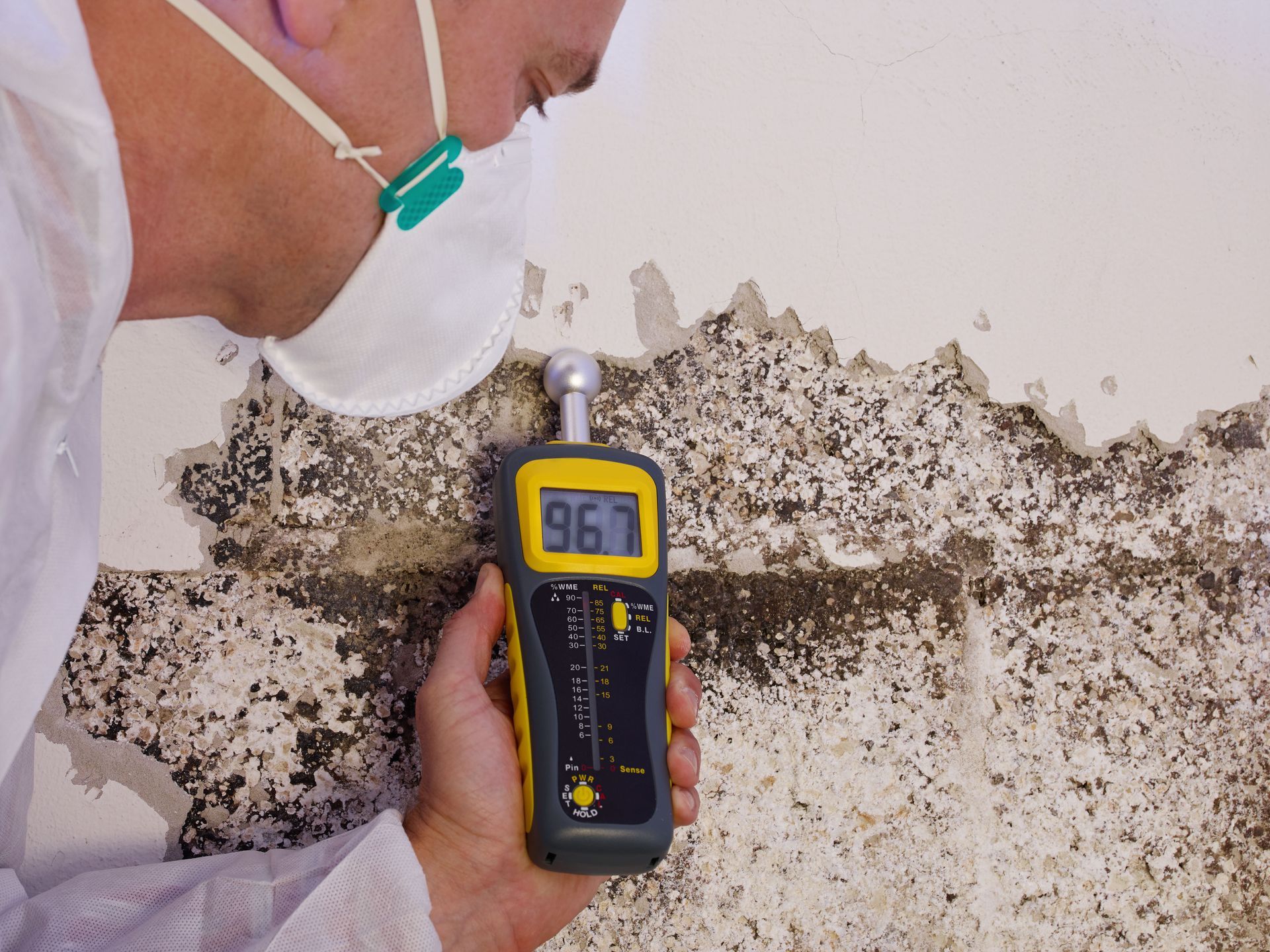
Professional asbestos inspections are designed to assess areas where asbestos-containing materials may be present. Qualified inspectors can review the property's age, construction materials, renovation history, and visible conditions before determining whether sampling or additional analysis is appropriate. When samples are necessary, they can be submitted for laboratory analysis to determine whether asbestos is present. The results can provide homeowners and contractors with information needed to plan future work safely and appropriately. A professional assessment can also help distinguish between materials that require action and those that can remain undisturbed. Not every material suspected of containing asbestos needs to be removed. The appropriate response depends on the material's condition, location, potential for disturbance, and applicable regulations.
What Happens After Asbestos Is Identified
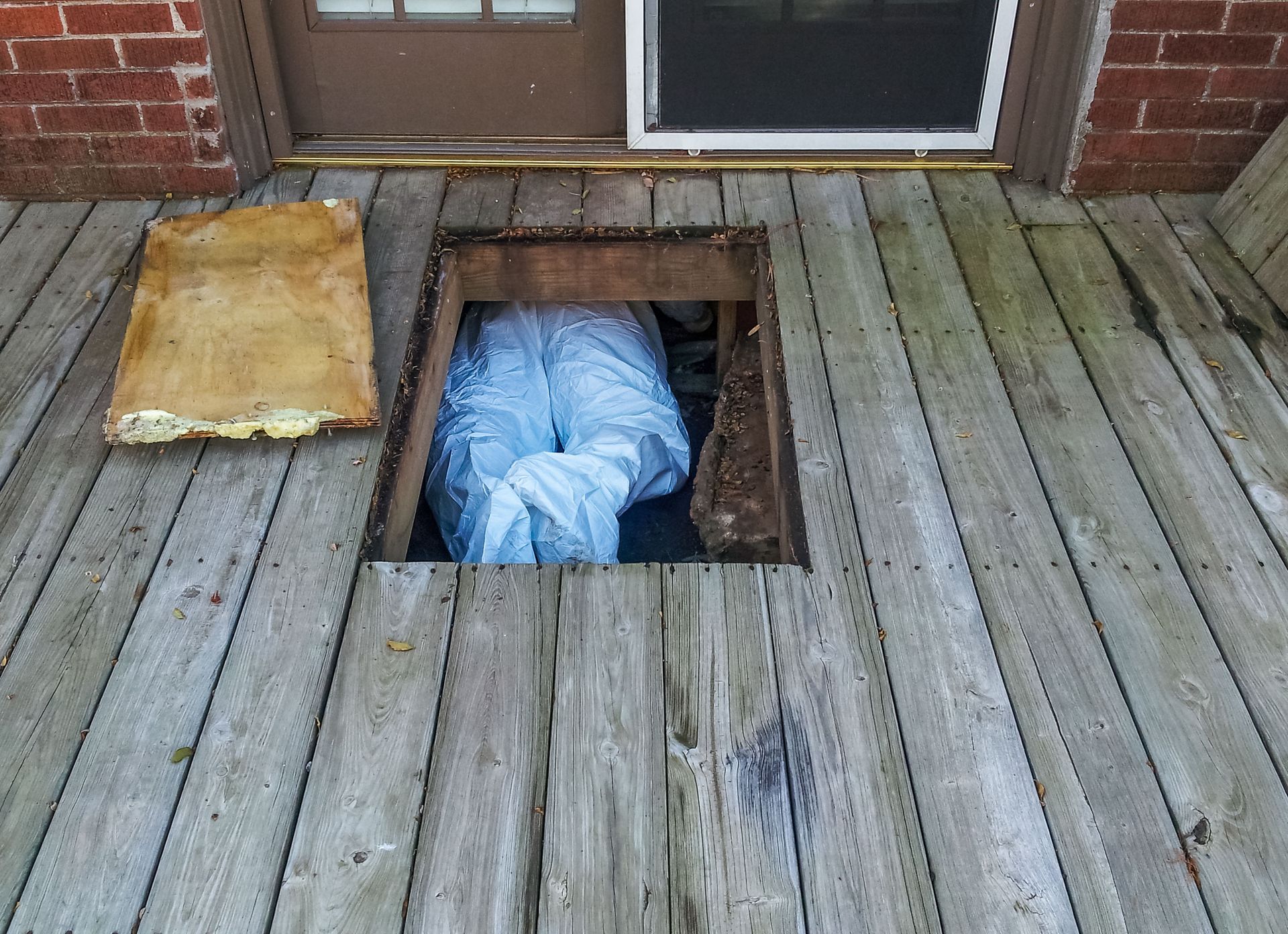
Finding asbestos does not automatically mean that an entire home must undergo extensive removal. The appropriate management strategy depends on the location and condition of the material and whether future activities could disturb it. In some circumstances, asbestos-containing materials may be managed in place when they are intact and unlikely to be disturbed. Other situations may require professional containment, removal, or additional measures. Local and state requirements can also affect how asbestos-containing materials are handled, transported, and disposed of. Working with qualified professionals helps ensure that these requirements are considered throughout the process. Additional asbestos inspections may be appropriate when the initial assessment identifies areas requiring further investigation or when planned construction could affect previously undisturbed materials.
Why Older Homes Need Proper Planning
Awareness is an important part of managing potential asbestos in an older property. Homeowners should consider the building's age, renovation history, visible materials, and planned construction before beginning projects that could disturb existing components. Professional asbestos inspections can provide useful information before remodeling, demolition, repair, or other significant property work. They can also help identify materials that should receive further evaluation before contractors begin work. When asbestos is suspected, avoiding unnecessary disturbance and obtaining professional guidance can help reduce potential exposure risks. Proper planning also gives homeowners a clearer understanding of what materials are present and how they should be managed. Keeping inspection reports and other property records can also help inform future renovation planning and contractors working on the home.
If you suspect that an older home contains asbestos, professional evaluation can provide the information needed to move forward responsibly. Rather than relying on appearance or assumptions, homeowners can use qualified asbestos professionals to assess potentially affected materials and determine whether testing or additional services are appropriate. For professional assistance with asbestos concerns, contact ASAP Environmental Inc to discuss your property and schedule an evaluation. Experienced professionals can help identify potential asbestos-containing materials and explain the appropriate next steps for protecting occupants and planning future work.

Share On: