
The Hidden Dangers of Mold in Residential Properties
Mold is a common concern for homeowners, especially in properties affected by moisture, humidity, or water damage. Although some mold growth is visible, other infestations can develop behind walls, beneath flooring, or inside poorly ventilated spaces. Without professional evaluation, these hidden problems may spread and compromise indoor air quality.
According to RubyHome, 47% of residential buildings in the US have visible mold or mold odor. This statistic highlights how widespread moisture-related problems can be.
At ASAP Environmental Inc, we understand the importance of identifying mold problems early. Professional Mold Inspections help property owners understand potential contamination, locate moisture concerns, and make informed decisions about protecting their homes.
Understanding How Mold Develops in Residential Properties
Mold is a fungus that reproduces through microscopic spores. These spores exist in indoor and outdoor environments but can grow when they encounter sufficient moisture and suitable materials.
Recognizing Common Sources of Moisture
Water intrusion is a primary contributor to residential mold growth. Leaking plumbing, damaged roofing, poorly sealed windows, and foundation problems can introduce moisture into building materials.
Condensation around air conditioning systems and insufficient ventilation can also create favorable conditions. When moisture remains trapped, mold may develop on drywall, wood, carpeting, and insulation.
Professional Mold Inspections can identify areas where moisture may be supporting microbial growth, including concealed locations.
Understanding Different Types of Mold
Several mold varieties commonly appear in residential environments, including Aspergillus, Cladosporium, and Stachybotrys. Their appearance varies depending on the species and growing conditions.
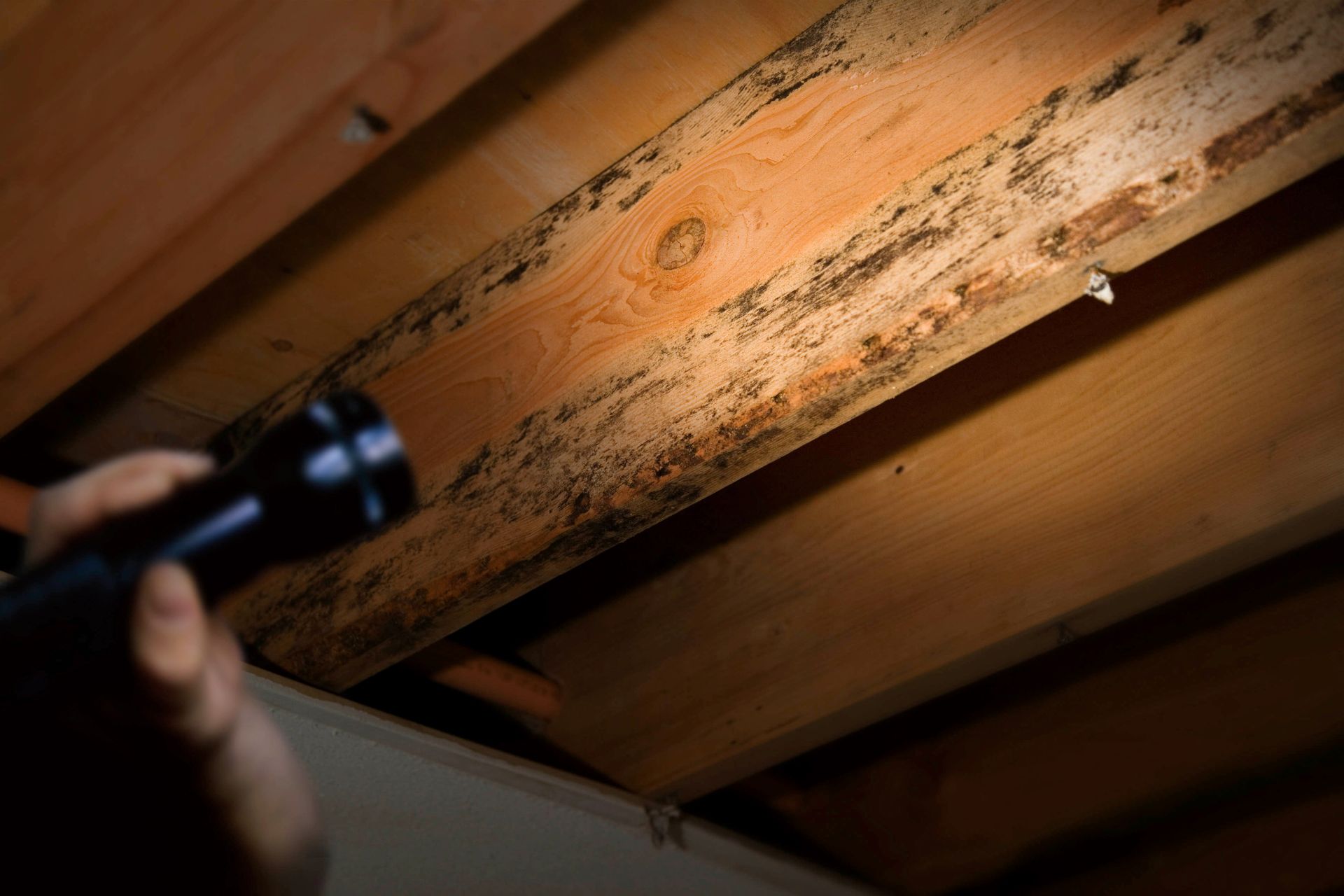
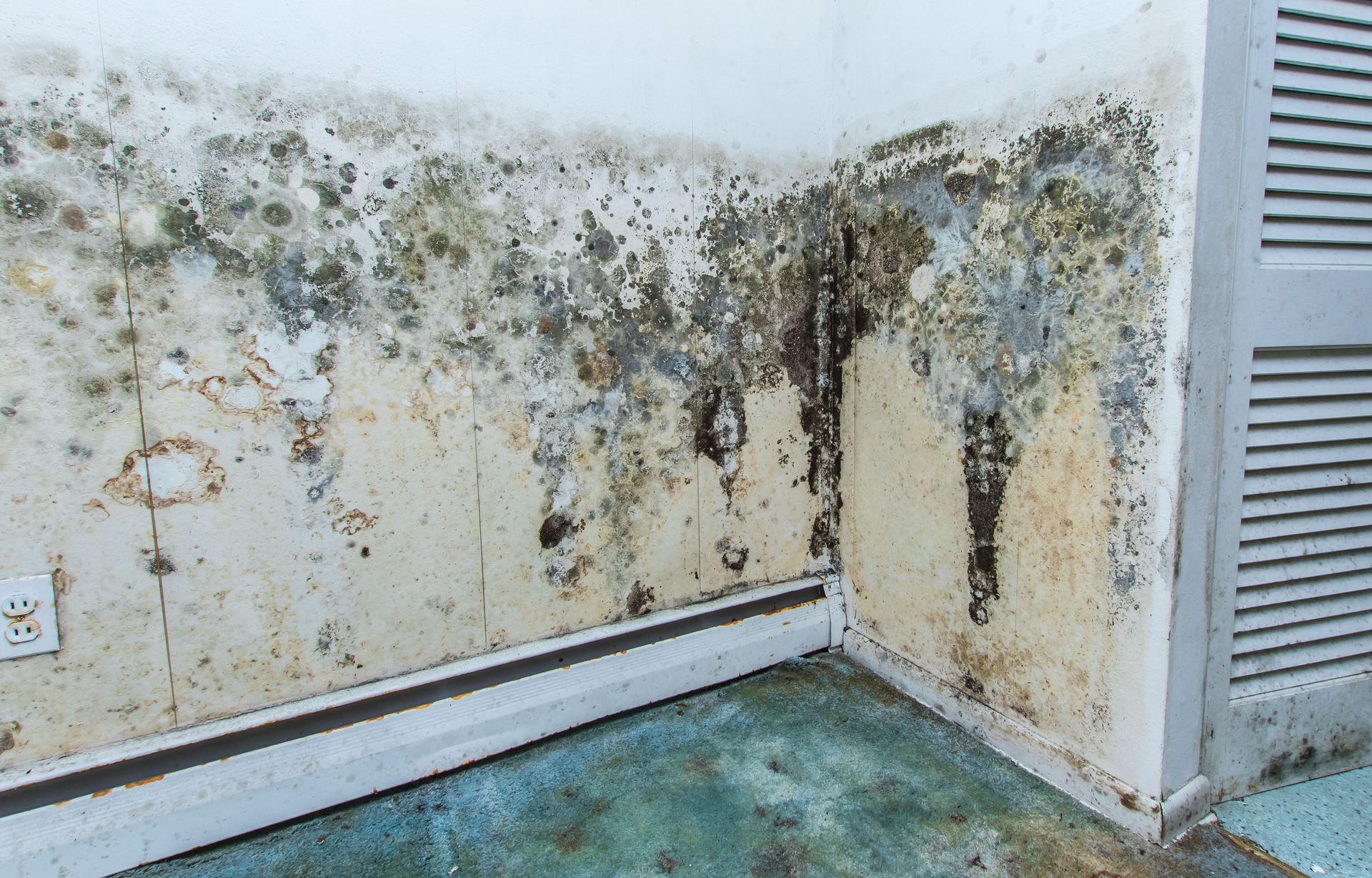
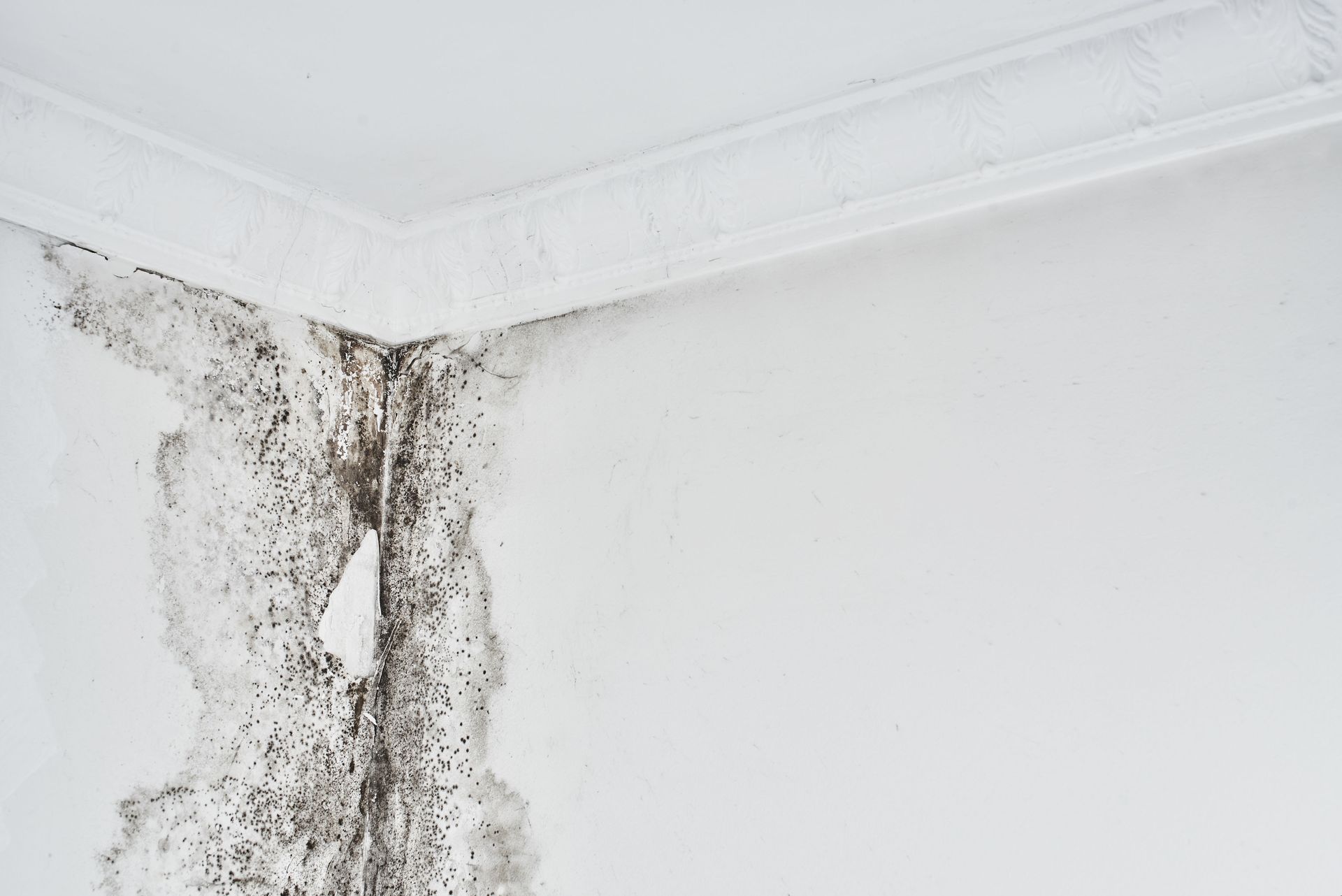
Mold colonies may appear black, green, gray, or white. However, color alone cannot reliably identify a species or determine its potential health effects.
Professional evaluation helps distinguish suspected mold growth from ordinary staining. Laboratory analysis can provide additional information when appropriate.
Identifying Conditions That Encourage Growth
High humidity, inadequate ventilation, and persistent dampness create conditions favorable to mold development. Basements, bathrooms, attics, crawl spaces, and laundry rooms are particularly susceptible.
Mold may also develop after flooding or plumbing failures when affected materials remain damp.
Addressing underlying moisture sources is essential because mold can return when damp conditions remain unresolved.
Recognizing the Potential Health Effects of Mold Exposure
Indoor mold exposure affects occupants differently. Some individuals experience noticeable symptoms, while others may have no apparent reaction.
Identifying Common Respiratory Symptoms
Exposure to damp and moldy environments can contribute to coughing, sneezing, nasal congestion, throat irritation, and irritated eyes. Individuals with mold allergies may experience stronger reactions.
For people with asthma, exposure can trigger symptoms or worsen existing respiratory difficulties.
Because these symptoms have multiple possible causes, medical professionals should evaluate persistent health concerns.
Protecting Sensitive Household Members
Children, older adults, individuals with asthma, and people with certain immune system conditions may be particularly susceptible to problems associated with mold exposure.
For these households, identifying moisture problems and addressing suspected contamination promptly is especially important.
At ASAP Environmental Inc, we recognize that environmental concerns create uncertainty for families. Our approach emphasizes professional assessment and reliable information.
Understanding the Importance of Early Detection
Mold problems do not always produce immediate symptoms. Growth may remain concealed within building materials while moisture accumulates.
Professional Mold Inspections can uncover conditions that warrant further investigation before extensive damage develops.
Early identification may also reduce material deterioration and restoration expenses.
Identifying Warning Signs That Require Professional Attention
Mold is not always easy to recognize. Some indicators involve visible changes, while others involve persistent odors or previous water damage.
Recognizing Visible Surface Changes
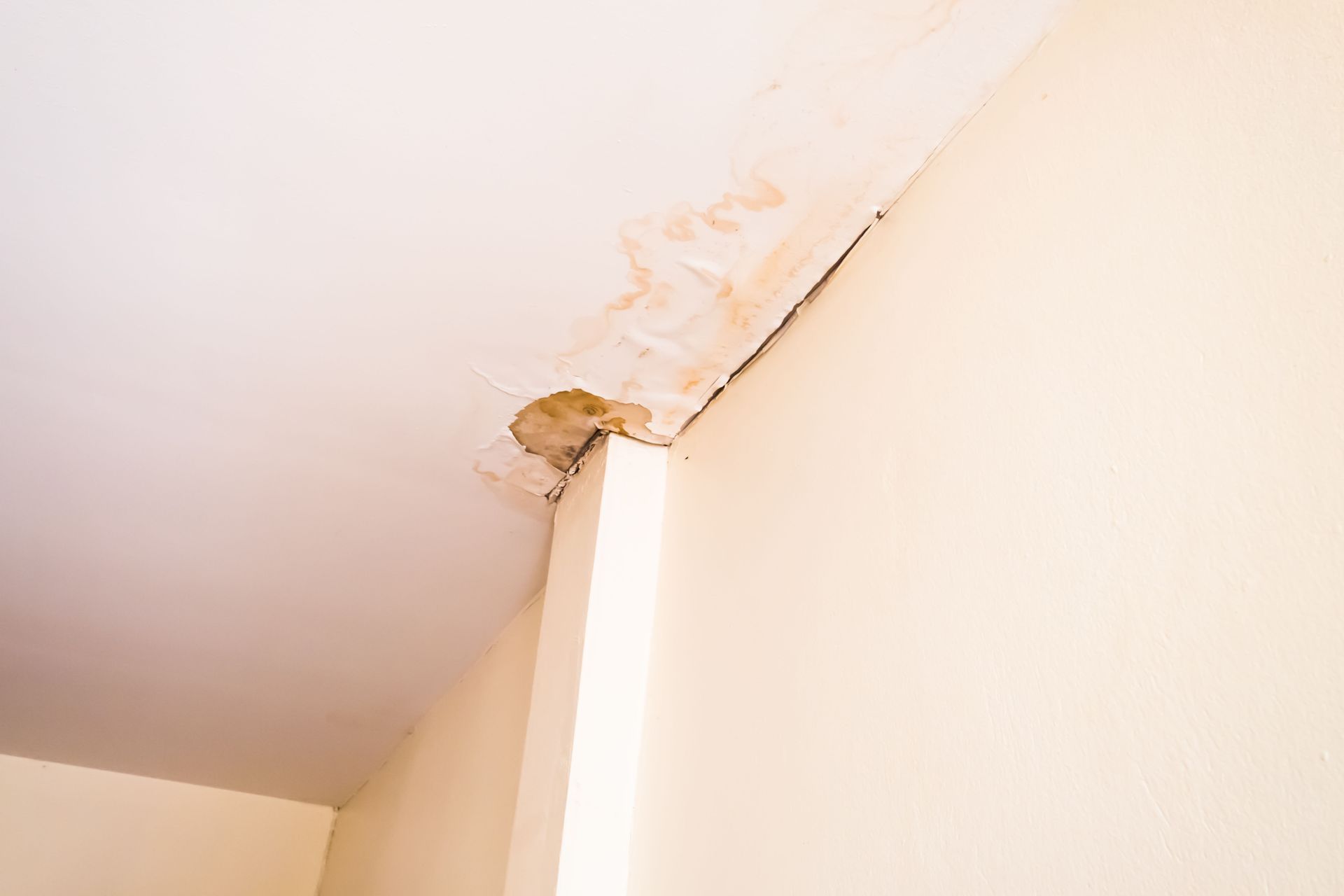
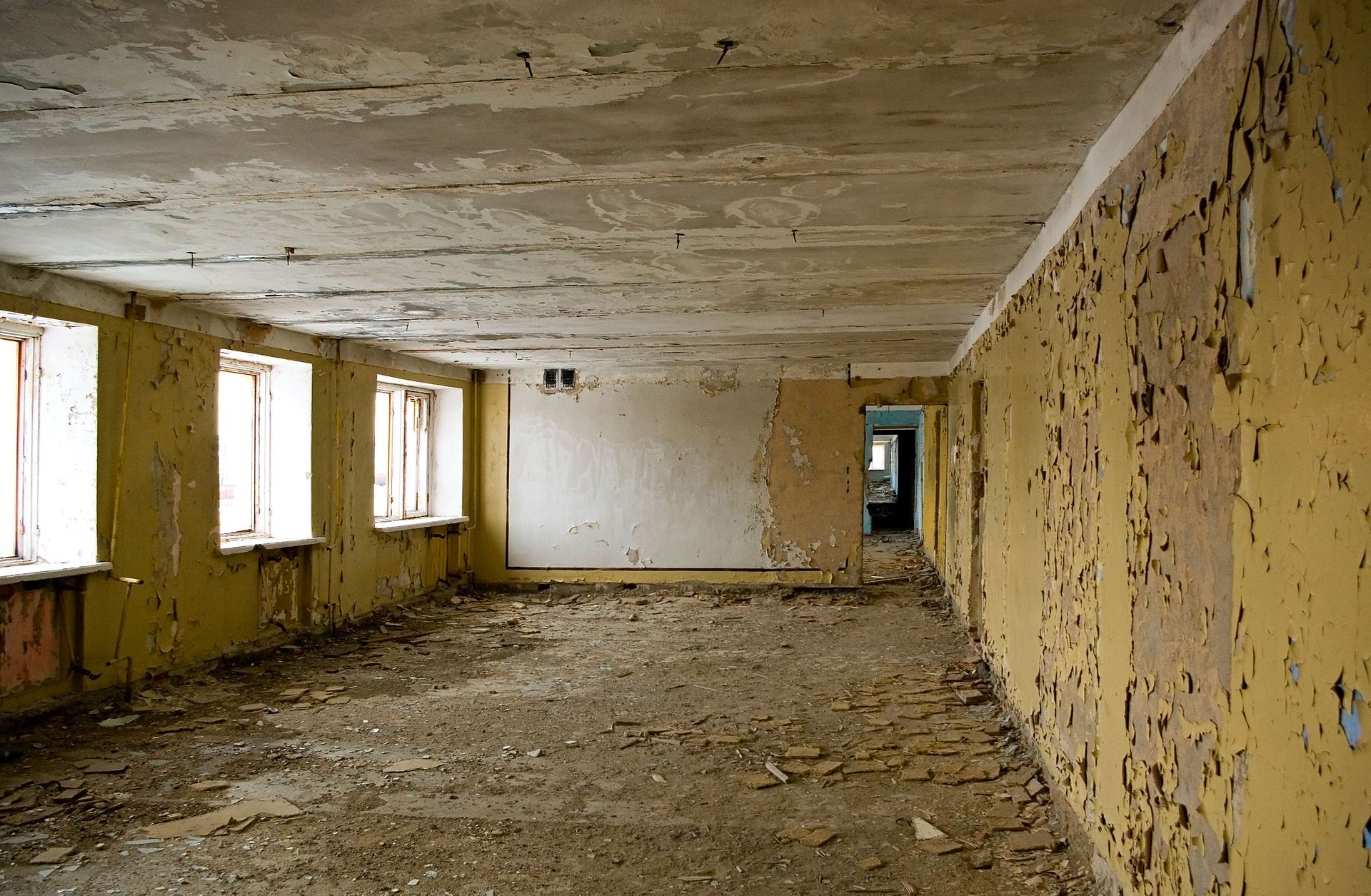
Discolored patches on walls, ceilings, and window frames may indicate microbial growth. Peeling paint, bubbling finishes, and water stains can suggest underlying moisture problems.
However, these conditions do not automatically confirm mold contamination. A qualified professional can evaluate suspicious areas and determine whether further investigation is appropriate.
Investigating Persistent Musty Odors
A persistent musty smell can indicate damp materials or concealed mold growth, even when surfaces appear clean.
Odors may originate from wall cavities, crawl spaces, basements, or areas affected by previous leaks.
Professional Mold Inspections provide a systematic way to evaluate these concerns and investigate potential moisture-related conditions.
Evaluating Previous Water Damage
Properties that have experienced flooding, roof leaks, plumbing failures, or repeated condensation may have elevated risks of mold development.
Even after visible water disappears, moisture can remain trapped inside porous building materials.
A professional assessment can determine whether affected areas require further investigation or specialized remediation.
Understanding What Happens During Professional Mold Inspections
Professional environmental assessments involve more than looking for visible mold. Inspectors consider moisture conditions, building history, and potential contamination sources.
Reviewing Property Conditions and Concerns
An inspection generally begins with a discussion of the property's history, including previous water damage, recurring leaks, unusual odors, and visible changes.
Inspectors may examine areas where moisture accumulates, including bathrooms, kitchens, basements, attics, and spaces surrounding plumbing fixtures.
This assessment determines which locations require closer attention.
Using Specialized Detection Equipment
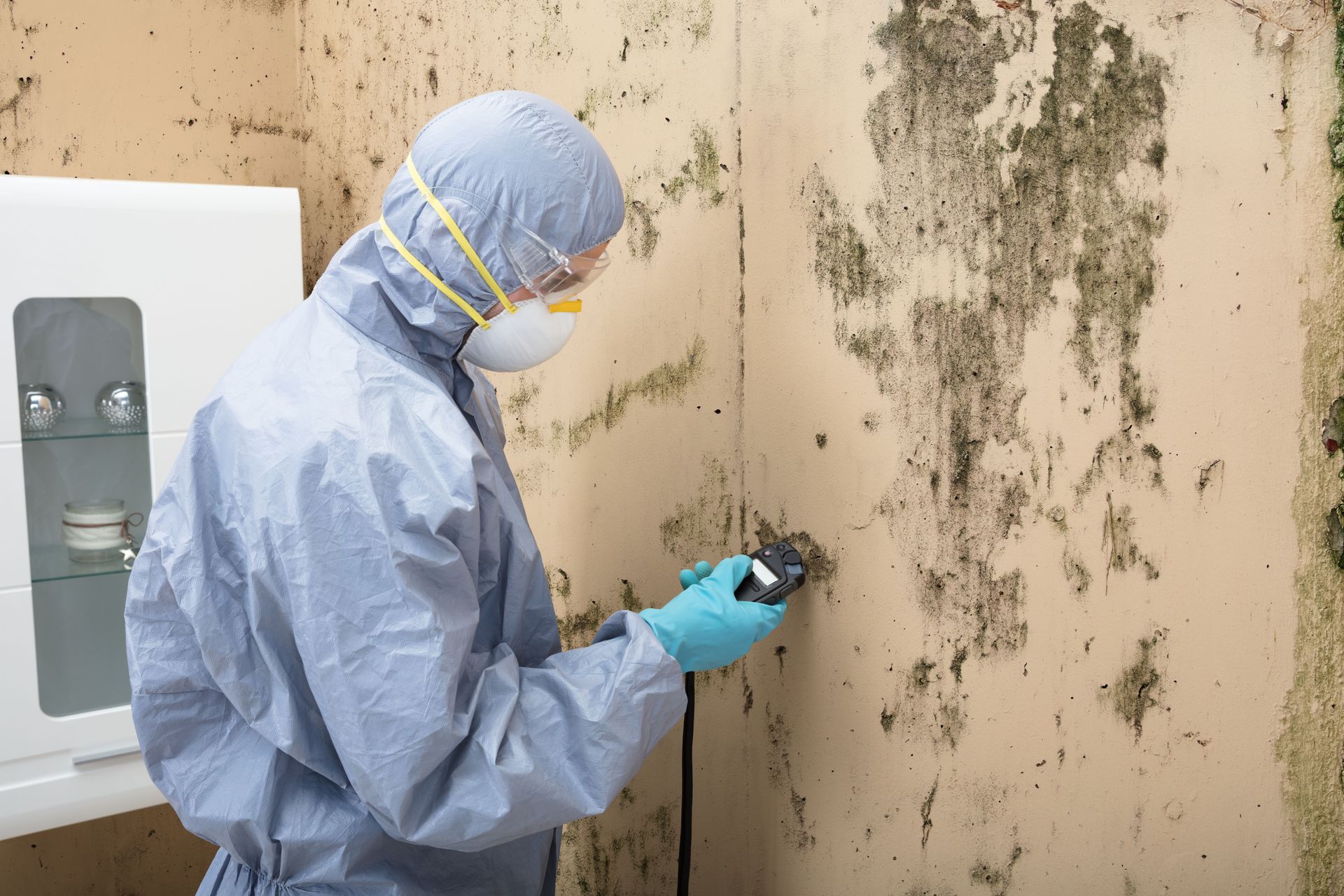
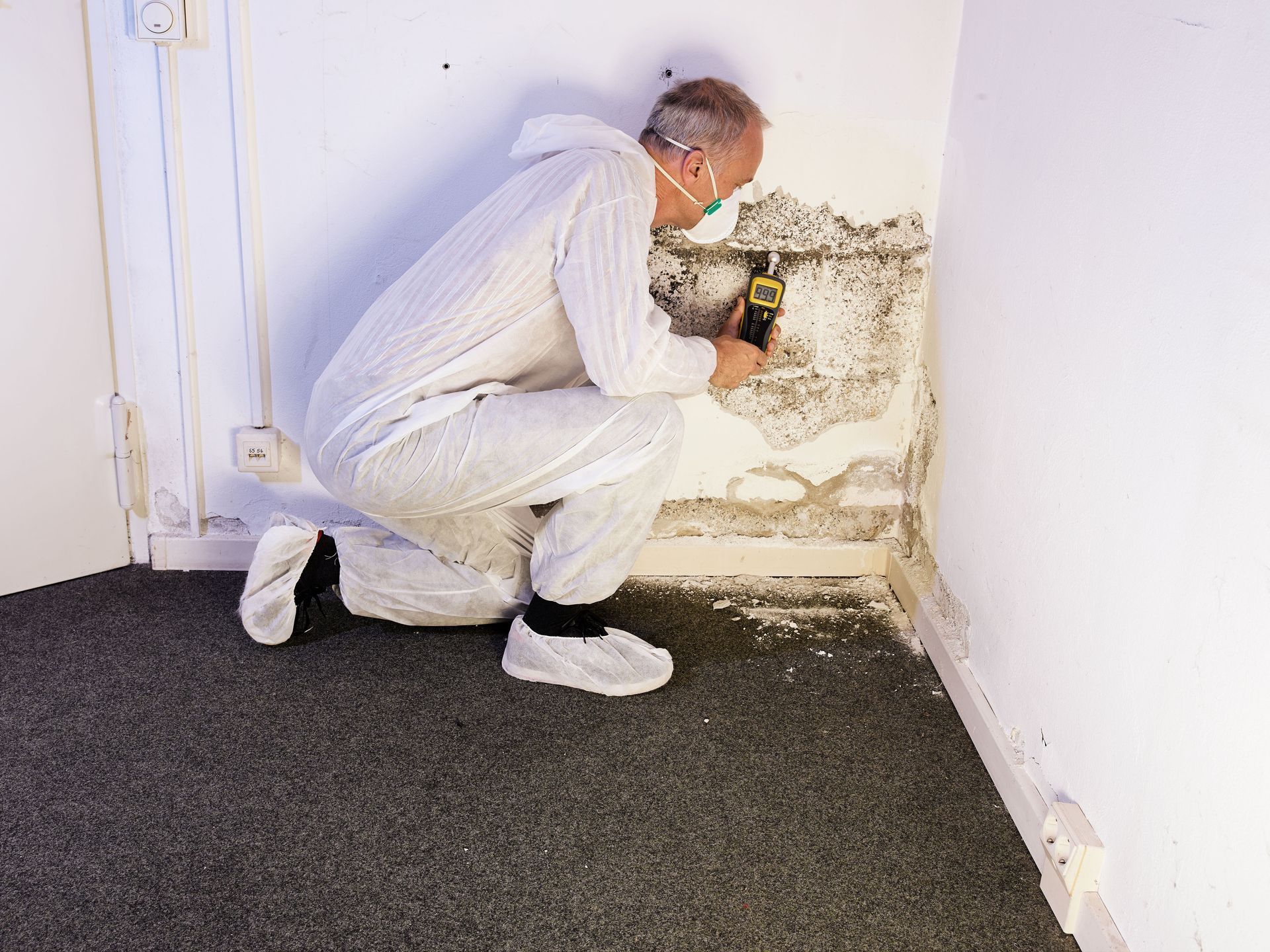
Environmental professionals may use moisture meters, thermal imaging cameras, and other tools to investigate damp building materials.
Moisture meters identify elevated moisture readings, while thermal imaging may reveal temperature patterns that warrant examination.
These instruments do not independently confirm mold contamination. Instead, they help inspectors locate conditions associated with possible growth.
Determining Whether Sampling Is Necessary
Not every suspected mold problem requires laboratory testing. Visible growth and identifiable moisture damage may provide sufficient information to guide corrective action.
When appropriate, professionals may collect air or surface samples for laboratory analysis. Results must be interpreted alongside building conditions and inspection findings.
Professional Mold Inspections help homeowners understand when testing may be beneficial rather than relying exclusively on laboratory results.
Understanding the Value of Professional Mold Remediation
When mold contamination is identified, appropriate remediation may be necessary to address affected materials and reduce recurrence.
Establishing an Appropriate Remediation Plan
The scope of remediation depends on affected materials, contamination extent, and underlying moisture conditions.
Qualified professionals determine whether materials require specialized cleaning, removal, or replacement. Significant contamination may require containment procedures to limit the spread of dust and spores.
Homeowners should avoid disturbing suspected mold growth or attempting extensive removal without appropriate training and equipment.
Addressing Underlying Moisture Problems
Removing contaminated materials without correcting the moisture source can allow mold to return.
Professional remediation planning should account for plumbing leaks, water intrusion, ventilation deficiencies, and other contributing conditions.
Correcting these problems supports long-term results and protects replacement materials from recurring moisture exposure.
Verifying the Results of Remediation
Following remediation, an independent assessment may determine whether the work meets established project criteria.
Verification can involve visual examination, moisture measurements, and sampling when appropriate. No single air sample can establish that a building is completely free of mold.
Professional Mold Inspections conducted after remediation provide documentation and help determine whether additional corrective work is necessary.
Protecting Your Property Through Preventive Environmental Care
Long-term mold management depends on recognizing moisture concerns, maintaining building systems, and obtaining professional assistance.
Maintaining Appropriate Indoor Conditions
Proper ventilation and humidity management can reduce conditions that encourage mold growth. Bathrooms, kitchens, and other moisture-producing spaces benefit from effective exhaust systems.
Prompt attention to plumbing leaks, roof damage, and drainage problems helps protect building materials.
These maintenance practices complement professional services but do not replace inspections when contamination is suspected.
Scheduling Professional Evaluations When Needed
A professional assessment may be valuable after significant water damage, recurring moisture problems, unexplained odors, or suspicious discoloration.
Homeowners preparing for property transactions or renovations may also benefit from understanding existing environmental conditions.
Professional evaluations support informed property management decisions.
Schedule Professional Mold Inspections With ASAP Environmental Inc
Mold concerns deserve careful attention, especially when moisture problems persist or contamination may be concealed. Recognizing warning signs and obtaining qualified assistance can help protect residential properties and support healthier indoor environments.
At ASAP Environmental Inc., we are committed to helping homeowners understand environmental concerns through professional assessment. Every property presents different conditions, making reliable information essential.
If you have noticed musty odors, suspicious discoloration, or water damage, contact ASAP Environmental Inc to discuss professional Mold Inspections. Taking action early can help identify potential problems and support informed decisions about your home's condition.

Share On: